

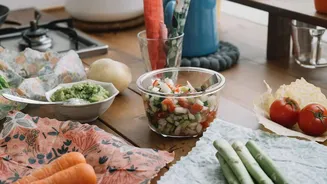


The Sunday meal prep marathon is a familiar ritual for many, but by Wednesday, the appeal of those pre-portioned boxes can fade. Enter twice-weekly batch cooking: a more sustainable approach that keeps your meals fresh and your weekends free.
The Smart Alternative to the Weekly Grind
Traditional
meal prep, where you cook everything for the week on one day, is great in theory but can be exhausting. It often leads to meal fatigue and food that loses its freshness by the end of the week. Twice-weekly cooking splits the work into two manageable sessions. This approach offers the best of both worlds: the time-saving benefits of planning ahead and the enjoyment of fresher-tasting food. A Sunday session might cover meals for Monday through Wednesday, while a shorter cook on Wednesday evening prepares you for Thursday and Friday. This rhythm prevents food from sitting in the fridge for too long and allows for more variety. It’s a practical way to combat decision fatigue on busy weeknights without sacrificing flavour or texture.
Your Two-Session Strategy
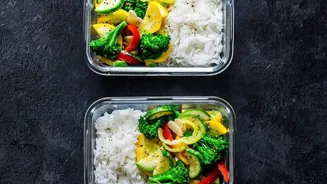
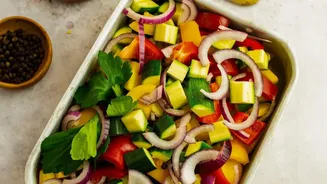
The key to success is not to cook complete meals, but to prepare versatile components that can be assembled in different ways. This 'ingredient prep' method gives you flexibility. For your first session (typically on a weekend), focus on the items that take the longest to cook. This includes roasting a large tray of sturdy vegetables like carrots, bell peppers, and broccoli; cooking a big pot of grains like rice or quinoa; and preparing one or two proteins, such as grilling chicken or simmering a large batch of dal or rajma. Your second, shorter session mid-week is for refreshing your supply. This could involve quickly stir-frying some fresh vegetables, marinating paneer or chicken for the next day, or whipping up a fresh sauce or dressing to bring your pre-cooked components back to life.
Building a Flexible Menu
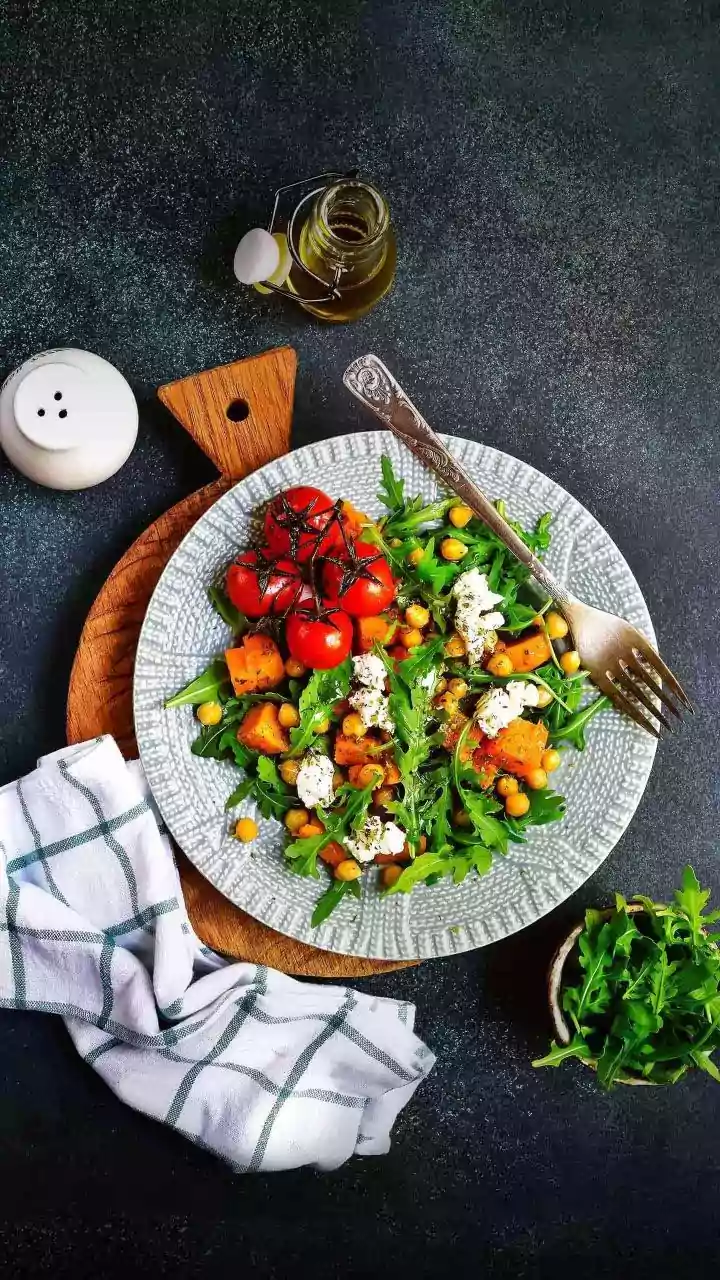
With a fridge full of components, assembling meals becomes quick and creative. The dal from Sunday can be served with rice on Monday and then used as a base for a soup on Wednesday. Roasted vegetables and grilled chicken can be combined into a hearty salad for lunch one day and then stuffed into a wrap or served with a fresh sauce over quinoa the next. Some great staples for an Indian kitchen include a versatile onion-tomato masala base, which can start anything from a sabzi to a curry. Pre-cooking grains, boiling potatoes, and having a protein ready means a satisfying meal is only minutes away, rather than a full cooking session from scratch.
A Sample Twice_Weekly Plan
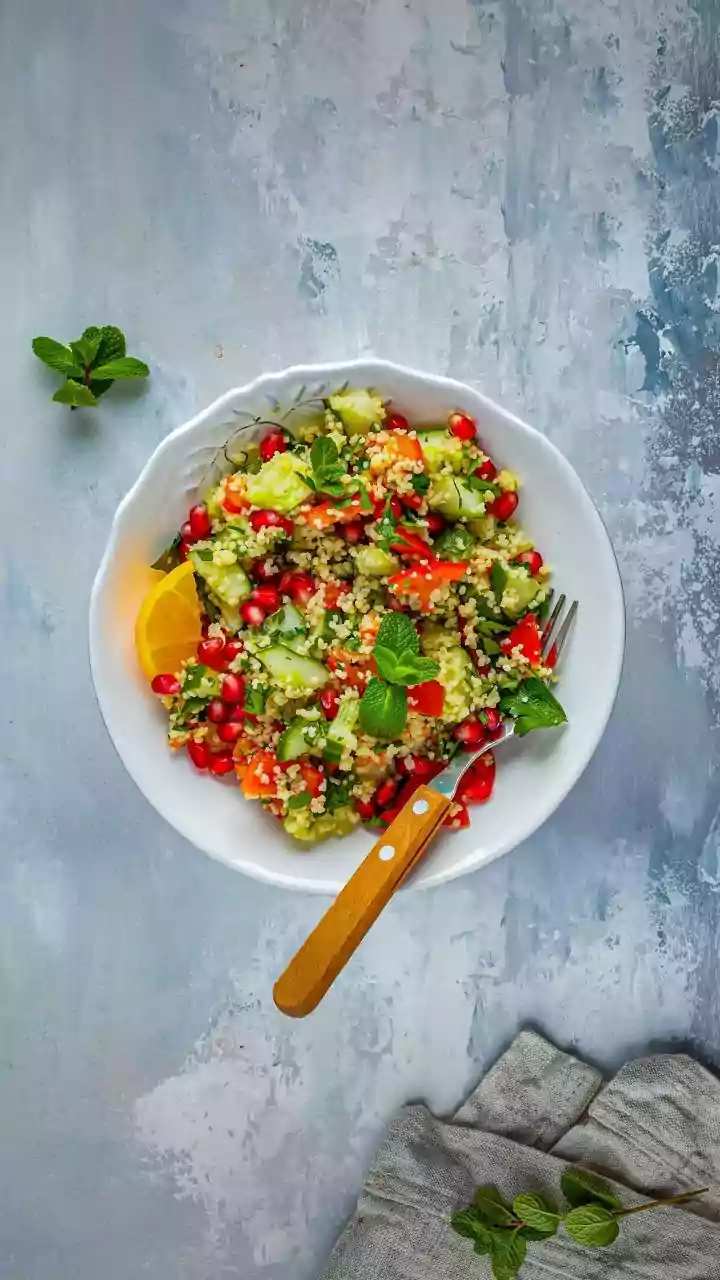
To make it concrete, here is what a week could look like. On Sunday, you might cook a large batch of chana masala, boil a few potatoes, and prepare a quinoa salad. This sets you up for Monday's dinner of chana masala with rice, Tuesday's lunch of quinoa salad, and a quick potato sabzi for another meal. On Wednesday evening, a quick 30_minute session could involve making a fresh tadka for the remaining chana masala to give it a new flavour profile, and perhaps stir_frying some fresh vegetables to pair with a ready_to_eat paratha. This ensures you are not eating the exact same meal twice and that your food for Thursday and Friday feels fresh and appealing.
Essential Storage for Freshness
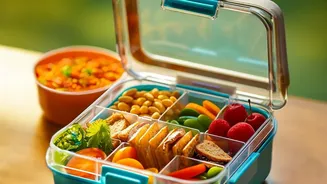
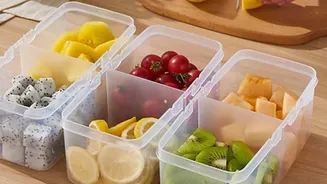
Proper storage is what makes this system work. Let all cooked food cool down before refrigerating to prevent condensation, which can make food soggy and spoil faster. Use clear, airtight containers so you can easily see what you have. Grouping items in the fridge helps, too—keep all your prepped grains in one area and proteins in another. When storing gravies or dals, it's often best to keep them separate from the rice or vegetables until you are ready to serve. For anything you won't use within three to four days, the freezer is your best friend. Label everything with the name of the dish and the date it was cooked to avoid mystery meals later on.