




Start With a Wardrobe Audit
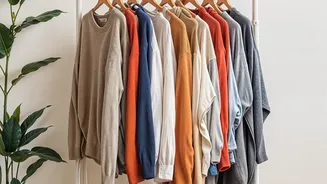
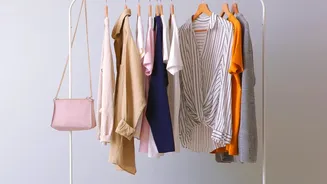
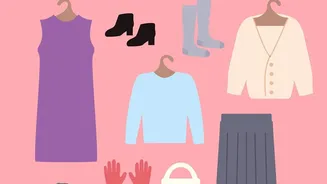
The first step to reviving your clothes is knowing what you have. Go through your wardrobe and sort items into three piles: repair, alter, and repurpose. Pay attention to garments with good fabric but a poor fit, minor damage, or an outdated style. Maybe
a shirt gapes at the bust, a pair of trousers is too long, or a dress feels a bit plain. These are your prime candidates for a makeover. This initial audit helps you prioritise fixes that will have the biggest impact, focusing on pieces you have a sentimental attachment to or that fill a genuine gap in your wardrobe.
No-Sew Hacks for Instant Gratification
You don’t need to be a seamstress to make a big impact. Some of the most effective transformations require nothing more than a pair of sharp fabric scissors. Turn an old oversized t-shirt into a trendy crop top or a muscle tank with a few strategic cuts. A long-sleeved shirt can become a lightweight open-front cardigan by simply cutting it up the middle. For a neat edge without sewing, iron-on hemming tape is your best friend—perfect for shortening trousers, skirts, and sleeves. You can even get creative by turning a large scarf into a halter top or an instant vest with a few well-placed knots.
Minor Sewing, Major Impact
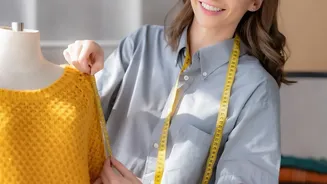
If you're comfortable with a needle and thread, a world of possibilities opens up. One of the easiest yet most transformative alterations is replacing buttons. Swapping old plastic buttons for modern metal, wood, or colourful alternatives can instantly elevate a jacket or shirt. Adding darts to the back of a dress or shirt can fix gaping and create a tailored silhouette that looks custom-made. If a garment is a little too snug, check the seam allowance; many pieces have extra fabric that can be let out to provide more room. Even something as simple as converting long sleeves to a shorter length can give a top a completely new feel for a different season.
The Art of Visible Mending
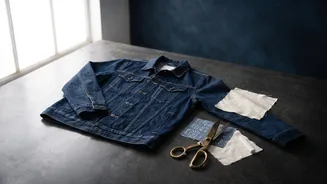
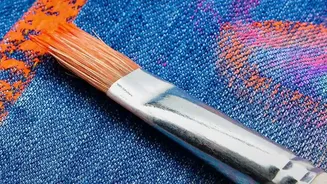
Instead of hiding repairs, why not celebrate them? Visible mending is a technique that turns tears, holes, and worn areas into beautiful design features. Inspired by traditional Japanese methods like Sashiko and Boro, this approach uses contrasting thread and fabric patches to reinforce and decorate a garment. A small hole in a sweater can be covered with a tiny embroidered flower or star. Worn-out jeans are perfect for this, where you can place a colourful fabric patch on the inside of a rip and secure it with decorative running stitches on the outside. This not only saves your favourite clothes but also adds a unique, personal story to them.
Reimagine Through Styling
Sometimes, all an old piece needs is a fresh perspective. Before you make any permanent changes, experiment with styling. Play with proportions by pairing an oversized top with slim-fitting trousers or a fitted knit with wide-leg jeans. Give a garment a new job: wear a wrap dress open as a duster jacket, or layer a dress over trousers to style it as a tunic. Accessories are also key. A different belt can completely change the shape of a dress, and pairing old favourites with modern shoes or jewellery can make them feel current again. Simple stylist tricks like a French tuck, rolling up your sleeves, or cuffing your jeans can make any outfit look more intentional.