



The Magic of Bhandardara
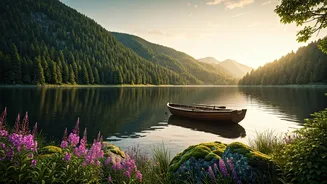
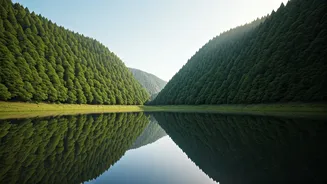
Nestled in the Sahyadri mountain range of Maharashtra, Bhandardara is a symphony of nature's best work. It’s a region defined by the vast, serene Arthur Lake, the historic Wilson Dam, and the cascading power of Randha Falls. For campers, it offers a dramatic
landscape of rugged hills, lush greenery (especially during and after monsoon), and star-filled nights far from city lights. The true reward, however, is the view. Pitching your tent here isn't just about finding a place to sleep; it's about positioning yourself for a front-row seat to one of the most spectacular natural shows in Western India. The goal is to become a temporary, respectful part of this breathtaking panorama.
Choosing Your Spot: Views and Responsibility
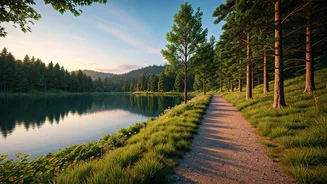
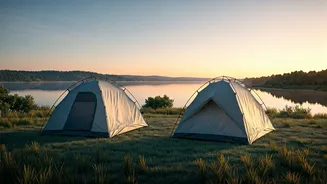
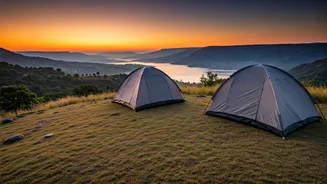
The key to a great camping experience in Bhandardara is picking the right location—one that offers stunning vistas without causing environmental damage. The shores of Arthur Lake are a popular choice, providing expansive water views against a backdrop of rolling hills. For a more secluded experience, consider exploring the plateaus and clearings away from the main tourist spots. Look for durable surfaces like dry grass, rock, or established campsites. Avoid setting up on fragile vegetation or too close to water sources to protect the delicate ecosystem. A good rule of thumb: if a spot already looks well-used, it’s likely a sustainable choice. If it looks untouched and pristine, keep it that way by camping elsewhere.
The 'Low Footprint' Philosophy
Low-footprint camping is about enjoying nature without leaving a mark. It’s guided by a simple principle: Leave No Trace. This means packing out everything you pack in, including all food wrappers, bottles, and other trash. Don't rely on finding dustbins; bring your own garbage bags. When it comes to campfires, the best practice is to avoid them altogether. The soil in many parts of the Sahyadris is thin and fires can leave permanent scars. Instead, carry a small portable stove for cooking. This not only protects the environment but is also more reliable in windy or damp conditions. Respect wildlife by observing from a distance, and leave rocks, plants, and other natural objects as you find them.
Essential Gear for Minimal Impact
Your gear list should be efficient and aligned with minimalist principles. A sturdy, lightweight tent is your most important item; ensure it can withstand the winds that can sweep across the plateaus. A comfortable sleeping bag and mat are essential for a good night's rest. For your kitchen, a portable gas stove, a small pot, a mug, and a spork will suffice. Bring reusable water bottles or a water filter to avoid single-use plastic. One of the most overlooked but crucial items is a small trowel for digging catholes to bury human waste responsibly (at least 6-8 inches deep and 200 feet from water). Lastly, pack a headlamp or torch, a basic first-aid kit, and a power bank for your phone.
Setting Up for the Perfect Morning
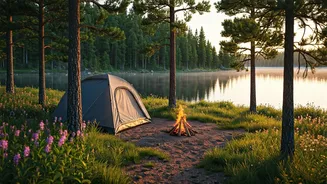
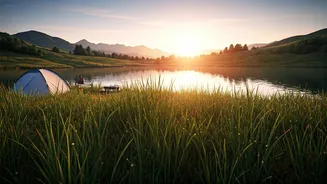
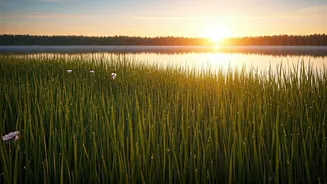
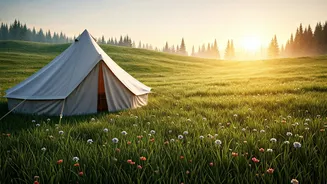
Once you've chosen your spot, setting up camp thoughtfully makes all the difference. Orient your tent so the door faces the primary view—be it the sunrise over the lake or the silhouette of the Kalsubai range. This simple act transforms your tent from just a shelter into a private viewing gallery. Secure your tent properly, using all guy lines, as the weather can change quickly. Keep your campsite tidy; store food securely in your tent or a sealed bag to avoid attracting insects or animals. By creating a small, organised, and respectful presence, you not only minimise your impact but also enhance your own experience of being immersed in the wild beauty of Bhandardara.
Safety and Local Etiquette
While Bhandardara is generally safe, preparedness is key. Always check the weather forecast before you go, especially during the monsoon and post-monsoon seasons when conditions can be unpredictable. Inform a friend or family member about your plans and expected return time. The region is home to local communities and tribal villages; be a courteous visitor. Greet people with a smile, ask for permission before taking photographs, and avoid intruding on private property. Remember that you are a guest in their home. Buying local produce or having a meal at a small dhaba is a great way to support the local economy and experience the culture authentically.