


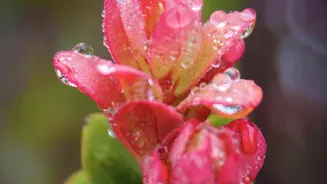

Why Indoor Air Suffers During Monsoon
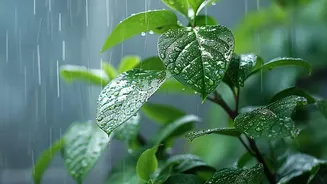
During the rainy season, high humidity is the main culprit behind poor indoor air quality. With windows often shut to keep the rain out, ventilation is reduced. This traps moisture inside, creating a perfect breeding ground for mould, mildew, and dust
mites. The result is that familiar musty smell and air that feels heavy and unpleasant to breathe. While air purifiers are an option, nature offers a simpler, more beautiful solution. A two-pronged approach using specific indoor plants and natural desiccants can dramatically improve your home's environment, making it feel fresh and clean, even when it's pouring outside.
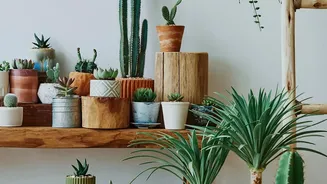
1. The Hardy Snake Plant
Often called Mother-in-Law's Tongue, the Snake Plant is a champion of low-maintenance home care. It's famous for its ability to survive in a variety of conditions, and while it prefers dry soil, it tolerates the high humidity of the monsoon season well. Its sword-like leaves are not just sculptural and beautiful; they are also known to filter indoor air. A crucial tip for monsoons is to ensure the plant is in well-draining soil to prevent root rot, which is the primary issue for this plant in wet conditions. Placing it in a spot with indirect light is perfect for it to thrive.
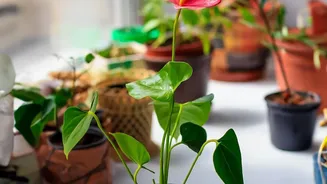
2. The Elegant Peace Lily
The Peace Lily is another powerhouse, celebrated for its ability to remove common household toxins from the air. A NASA study highlighted its effectiveness in filtering pollutants like benzene and formaldehyde. These plants thrive in high-humidity environments, making them a perfect companion for the Indian monsoon. They are known to be heavy transpirers, meaning they release moisture which can help settle airborne dust. For best results, keep the soil consistently moist but not waterlogged and place it in a spot with bright, indirect light.
3. The Lush Areca Palm
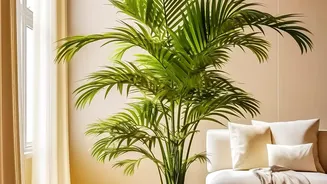
The Areca Palm, also known as the Butterfly Palm, brings a tropical feel indoors while working hard to improve your air. These palms prefer warm and humid conditions, thriving in temperatures common during the Indian monsoon. They are particularly effective at adding humidity to the air, which might seem counterintuitive, but this process helps to weigh down and remove dust and other allergens from the air you breathe. Areca Palms need bright, indirect sunlight and soil that is kept evenly moist but not soggy.
4. The Prolific Spider Plant
The Spider Plant is one of the easiest houseplants to grow and is a great choice for beginners. It adapts well to various conditions and grows rapidly during the monsoon, enjoying the ambient moisture. These plants are excellent at removing pollutants like formaldehyde and carbon monoxide from the air. Their arching leaves look especially beautiful in hanging baskets, which also helps improve air circulation around the plant. They require only occasional watering and do well in indirect light.
5. The Versatile Money Plant
Known as Pothos, the Money Plant is arguably the easiest plant to grow in India during the rainy season. It adapts incredibly well to indoor environments and grows dense, trailing vines in the warmth and moisture of the monsoon. While being a low-maintenance decorative plant, it is also known to remove several indoor air pollutants. You can grow it in soil or even just in water. Occasional pruning is all it needs to thrive, making it a simple yet effective addition to your monsoon home care routine.
The Power of Natural Clay Absorbers
Beyond plants, another natural tool in your arsenal against dampness is clay. Natural clay desiccants, often made from bentonite or montmorillonite clay, are incredibly effective at absorbing excess moisture from the air. The clay's porous structure gives it a massive surface area, allowing it to attract and trap water molecules through a process called adsorption. This naturally reduces the relative humidity in enclosed spaces like wardrobes, cabinets, and small rooms, preventing the growth of mould and mildew. You can buy ready-made clay desiccant bags or even use unglazed terracotta pieces.
How to Use Clay to Fight Humidity
Using clay absorbers is simple. Place small bowls of activated clay, or even broken pieces of terracotta pots, in areas prone to dampness. Terracotta, being a porous-fired clay, naturally absorbs and releases moisture, helping to regulate humidity. For a DIY solution, you can fill small cloth pouches with bentonite clay, which is often sold as a fine powder, or even use some types of cat litter that are clay-based. Place these pouches in cupboards, shoe racks, and bathrooms. When they feel heavy with moisture, you can often 'recharge' them by placing them in the sun or a warm oven for a few hours to dry out, making them a reusable and eco-friendly solution.