



The End of a Defensive Era
For much of the late 1970s and early 1980s, Sunil Gavaskar was the undisputed leader of Indian cricket. As captain, his approach was a mirror of his batting: technically sound, strategically defensive, and built around the primary goal of avoiding defeat.
This methodical style brought India stability and respect, particularly in Test matches at home. However, it was also seen as overly cautious. Under Gavaskar, the team became proficient at drawing matches but often struggled to deliver the final blow and secure victories, winning just nine of the 47 Tests in which he was captain. While his personal run-scoring was monumental, a growing sentiment suggested that Indian cricket needed a more dynamic and attacking philosophy to move forward, especially with the rising prominence of One-Day International cricket.
The Catalyst in Pakistan
The turning point came during the gruelling tour of Pakistan in 1982-83. Under Gavaskar's leadership, India suffered a crushing 0-3 defeat in the six-match Test series. The Pakistani pace attack, led by a formidable Imran Khan who took 40 wickets, relentlessly exposed India's vulnerabilities. Gavaskar's captaincy appeared jaded, and the team seemed unable to counter the aggressive cricket played by their rivals. The heavy defeat highlighted the need for a fresh approach and new energy. The selectors, who had already seen flashes of a different brand of cricket, were now convinced that a significant change was necessary to revitalise the squad ahead of a packed international calendar.
The Rise of the 'Haryana Hurricane'
Since his debut in 1978, Kapil Dev had been a revelation. He was everything Indian cricket traditionally wasn't: a genuine fast-medium bowler who could trouble top batsmen and a hard-hitting lower-middle order batsman who scored at a blistering pace. He played with an infectious fearlessness and a natural aggression that stood in stark contrast to the team's prevailing conservative mindset. By 1982, he was the youngest cricketer to achieve the all-rounder's double of 1,000 runs and 100 Test wickets. He wasn't just a player; he was an inspiration. His on-field charisma and lead-by-example attitude made him the natural candidate to usher in a new, more assertive identity for Indian cricket.
A Shock to the System
The decision to appoint Kapil Dev as captain for the upcoming tour of the West Indies was a seismic shock. At just 24, he was chosen to lead a team that included established giants like Gavaskar himself. The selection was a bold gamble, replacing the country's most senior and respected batsman with a young, instinctive all-rounder. The move was a clear statement of intent from the selectors: they were prioritizing aggressive, match-winning potential over defensive stability. It was a generational shift, aimed at injecting much-needed self-belief and a killer instinct into the side before they faced the world's most dominant team and headed to England for the third Cricket World Cup.
The Ultimate Vindication
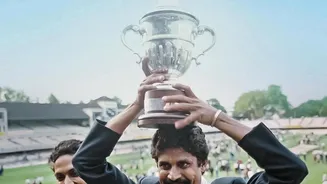
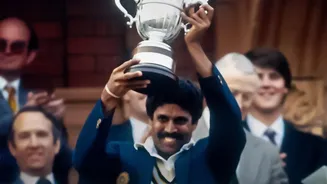
While India lost the Test series in the West Indies, the seeds of change had been sown. A solitary ODI win on that tour, powered by Gavaskar and Kapil, gave the team newfound confidence. This self-belief would prove crucial. Months later, in the 1983 World Cup, Kapil's leadership came to the fore. He led a team of underdogs, famously given 66-1 odds, to one of the greatest upsets in sports history. His legendary innings of 175 not out against Zimbabwe after India had collapsed to 17 for 5 became a symbol of his refuse-to-lose attitude. By lifting the trophy at Lord's, Kapil not only validated the selectors' risky decision but also permanently changed the landscape of Indian cricket, transforming it from a cautious participant into a world-beating force.