



The Nutritional Upgrade
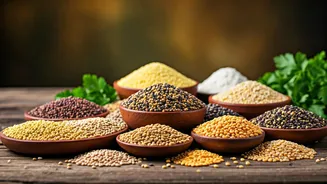
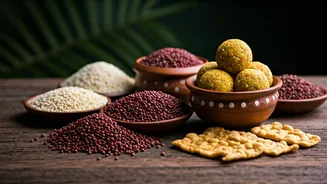
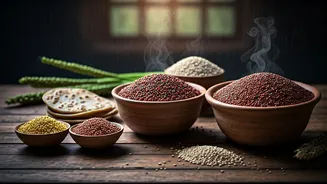
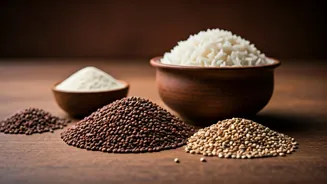
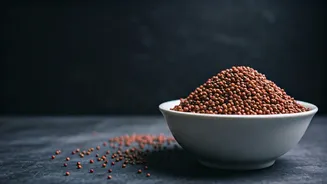
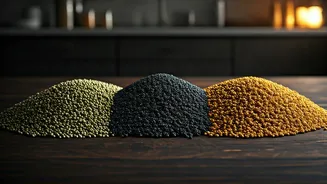
Before diving into the swaps, it's worth knowing why ragi (finger millet) and jowar (sorghum) are considered smart choices. Compared to polished white rice, both millets offer significantly more dietary fibre, which aids digestion and helps you feel full
for longer. Ragi is a powerhouse of calcium, crucial for bone health, while jowar is rich in protein and iron. Both have a lower glycemic index than white rice, meaning they release sugar into the bloodstream more slowly, helping to maintain steady energy levels and making them a favourable option for blood sugar management. This nutritional density makes them more than just a substitute; it's an upgrade.
1. Master the Millet 'Rice'
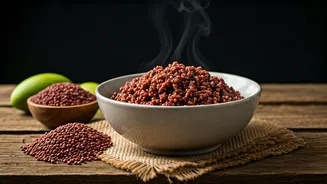
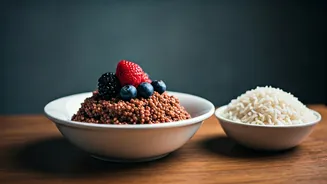
The most direct replacement for steamed rice is to cook the whole grains themselves. Jowar can be cooked much like rice, but it requires a bit more water and a longer cooking time. For a softer texture, soaking the grains for a few hours beforehand helps. Once cooked, it has a pleasantly chewy texture that works well with dals and curries. While whole ragi grains are less common, broken ragi, or ragi rava, can be cooked into an upma-like consistency, serving as a hearty base for a savoury meal, much like a thick porridge or south Indian 'sankati'.
2. Embrace Comforting Khichdi and Pongal
Khichdi is the ultimate comfort food, and it's incredibly adaptable. Simply replace rice with whole or broken jowar. Cook it with your favourite dal (like moong or toor), a dollop of ghee, and classic spices like cumin and turmeric for that familiar, soul-soothing flavour. The millets add a new textural dimension and make the dish even more wholesome. Similarly, for a savoury Pongal, cooked jowar can be mashed and mixed with a tempering of black pepper, cumin, and ginger, creating a satisfying and fibre-rich breakfast or light dinner.
3. Reinvent Pulao and Biryani
One-pot meals like pulao and biryani are staples for a reason—they are flavourful and complete meals. Jowar is an excellent and robust substitute for rice in these dishes. Its grains hold their shape well and absorb the flavours of the spices and vegetables beautifully. Sauté your whole spices, add your vegetables or protein, and then stir in the soaked jowar, cooking it until tender. The result is a nutrient-dense version of your favourite festive dish that is both satisfying and surprisingly light.
4. Try Millet 'Curd Rice'
The cooling comfort of curd rice is unmatched, especially in warmer months. To create a healthier version, use well-cooked and slightly mashed jowar grains. Once cooled, mix them with curd, salt, and a tempering of mustard seeds, urad dal, and curry leaves. The creamy texture of the curd combines perfectly with the chewy millet, creating a dish that is both familiar and refreshingly new. For a ragi version, a soft-cooked ragi porridge can be cooled and mixed with curd and spices for a similar effect.
5. Go Beyond the Grain with Rotis and Dosas
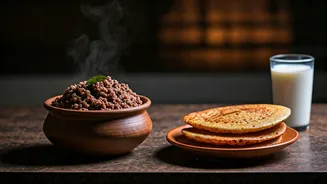
Replacing rice isn't just about substituting the grain itself, but also its function on the plate—soaking up delicious curries. This is where ragi and jowar flours shine. Soft jowar rotis (bhakri) or ragi rotis are fantastic, gluten-free alternatives to serve with dal and sabzi. They are rustic, flavourful, and highly nutritious. You can also make instant dosas or chillas using a batter of ragi and jowar flour mixed with spices, onions, and herbs. These crisp crepes serve the same purpose as rice, making your meal complete and comforting.