





The Slow Decline of Roti and Rice
For the first time, the average Indian household is spending less than half of its budget on food. Data from the 2022-23 Household Consumption Expenditure Survey (HCES) shows that in rural India, the share of spending on food has dropped to 46.4% from 53%
in 2011-12. In urban areas, it fell from about 43% to 39%. The biggest driver of this change is a dramatic fall in spending on cereals like rice and wheat. In rural households, the expenditure share for cereals has more than halved, dropping from nearly 11% to under 5%. This doesn't just mean people are spending less, but also consuming less in terms of quantity. This shift away from traditional staples marks a significant turning point in the nation's dietary history.
A Growing Appetite for Diversity
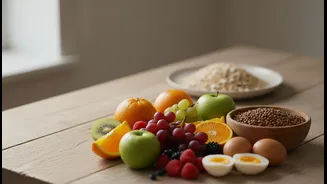
As cereals take up less space on the plate, what is replacing them? The data points to a clear diversification of the Indian diet. Households are now spending a greater share of their food budget on high-value items like milk and dairy products, eggs, fish, meat, and fresh fruits. The consumption of beverages and processed foods has also seen a significant jump, becoming the single largest component of food spending in both rural and urban areas. This dietary diversification is a classic sign of economic progress; as incomes rise, people move beyond subsistence on basic grains and seek out a wider variety of foods. This trend is visible across the country, though regional preferences remain strong, with some states favouring dairy while others spend more on fish and meat.
What’s Driving This Great Food Shift?
Several powerful forces are reshaping India's food basket. The primary driver is rising prosperity. Average monthly per-capita expenditure has grown by about 164% in rural areas and 146% in urban areas between 2011-12 and 2022-23. With more disposable income, families can afford to buy more expensive, nutrient-dense foods. Rapid urbanisation is another key factor, changing lifestyles and exposing more people to different culinary influences and the convenience of processed or ready-to-eat meals. Better infrastructure and supply chains have also made a wider variety of foods, especially fresh produce and animal products, more accessible and affordable year-round.
Ripple Effects for Farms and Markets
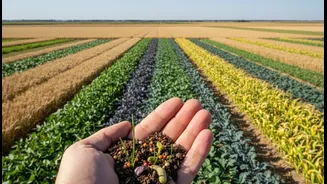
This shift in consumer demand has profound implications for India's agricultural sector. For decades, agricultural policy has been heavily focused on ensuring self-sufficiency in rice and wheat, supported by minimum support prices (MSP) and extensive procurement systems. However, with demand for cereals falling and consumption of fruits, vegetables, and animal products rising, there is a growing mismatch between what farms are producing and what people are eating. This creates challenges like import dependency for items like edible oils and price volatility for pulses. To keep pace, agriculture will need to diversify, with more investment and policy support for horticulture, dairying, and poultry to meet the demands of the modern Indian consumer.
A Double-Edged Sword for Health
The changing food basket presents a complex picture for public health. On one hand, increased consumption of milk, eggs, and fruits can lead to better nutrition by providing more protein and essential micronutrients. However, this 'nutrition transition' is a double-edged sword. The simultaneous rise in consumption of processed foods, often high in sugar, salt, and unhealthy fats, is contributing to an increase in obesity and lifestyle-related non-communicable diseases (NCDs) like diabetes and heart disease. India is now facing the dual challenge of tackling undernutrition in some segments of the population while also managing the growing epidemic of overnutrition and its associated health risks.