








The New Social Hour
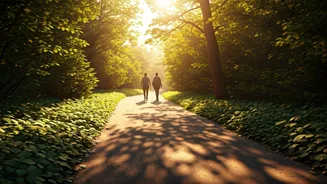
The scene is becoming familiar in cities like Mumbai, Bengaluru, and Delhi. As the first light of day breaks, groups of people gather, not for yoga or boot camp, but for a walk. Laughter and conversation mix with the rhythmic scuff of running shoes. This
is the modern Indian walking club, a phenomenon that has less in common with a silent, solitary constitutional and more with a lively social gathering. For many, it’s a replacement for the evening pub visit or the morning gym session. The focus is twofold: getting your steps in and connecting with others. In a post-pandemic world where isolation became the norm, these clubs offer an antidote—a simple, accessible way to rebuild social bonds while improving physical and mental health.
Beyond the Intimidating Treadmill
While the headline's call to 'forget gyms' may be dramatic, it reflects a real shift in attitude. For a significant number of people, the traditional gym environment can be intimidating, expensive, and monotonous. The pressure to perform, the unfamiliar equipment, and the high cost of membership create barriers. Walking, on the other hand, is the most natural form of human movement. It requires no special skills, minimal gear, and is virtually free. Walking clubs strip away the performative aspect of fitness. Here, no one is judging your speed or your form. The goal is participation and consistency, fostered by the accountability and encouragement of the group. It's a democratisation of wellness, making it available to people of all ages, fitness levels, and economic backgrounds.
More Than Just Steps
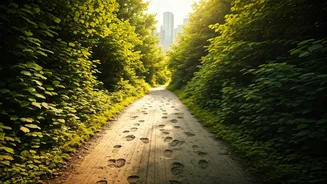
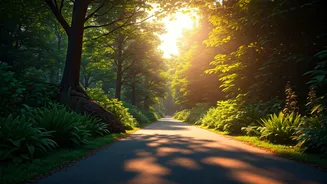
The motivations for joining are as diverse as the members themselves. For some, it’s about safety in numbers, particularly for women who feel more comfortable walking in a group during early morning or late evening hours. For others, it’s a way to combat loneliness, especially for those who have moved to a new city for work. Many clubs, like the Sole Sisters in Gurugram, have created powerful, women-only communities built on support and shared goals. Others have evolved into specialised groups. Heritage walking clubs explore the historical nooks of their cities, turning a workout into a cultural tour. Nature walking groups venture onto trails on weekends, swapping city pavements for forest paths. The walk becomes a medium for other activities—photography, bird-watching, or simply a deep conversation away from digital distractions.
The Rise of the Urban Tribe
This grassroots movement is largely powered by technology. Simple WhatsApp groups are the organisational backbone for most clubs, used to coordinate meeting times, share routes, and motivate members. Instagram and Facebook are where they find their voice, sharing photos of sunrises, group selfies, and milestone achievements, which in turn attracts new members. Clubs like the 'Mumbai Walkers' or Bengaluru's numerous neighbourhood groups have grown from a handful of friends into sprawling networks. They are 'urban tribes' formed around a shared, simple interest. This digital-to-physical connection is a hallmark of modern community building, allowing hyper-local, interest-based groups to form and thrive with unprecedented ease. It shows a collective yearning for real-world connection in an increasingly digital life.
Finding Your Pace and Your People
Joining this trend is refreshingly straightforward. A quick search on social media for 'walking club' along with your city or neighbourhood name often yields several options. Many groups are open to drop-ins, allowing you to try a walk before committing. It’s worth considering what you’re looking for. Do you prefer a large, energetic group or a smaller, more intimate one? Are you interested in speed, distance, or just a leisurely chat? Most clubs are welcoming and cater to various paces. The first step, quite literally, is just showing up. The community, camaraderie, and consistency often follow naturally.