

Understanding Tree Pose (Vrikshasana)
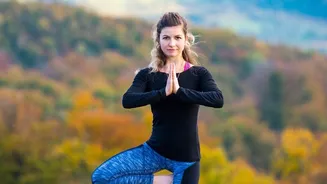
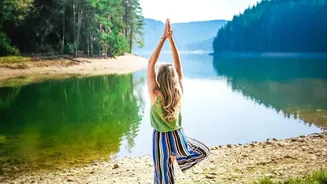
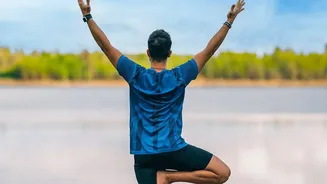
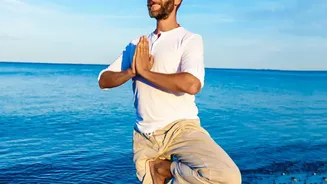
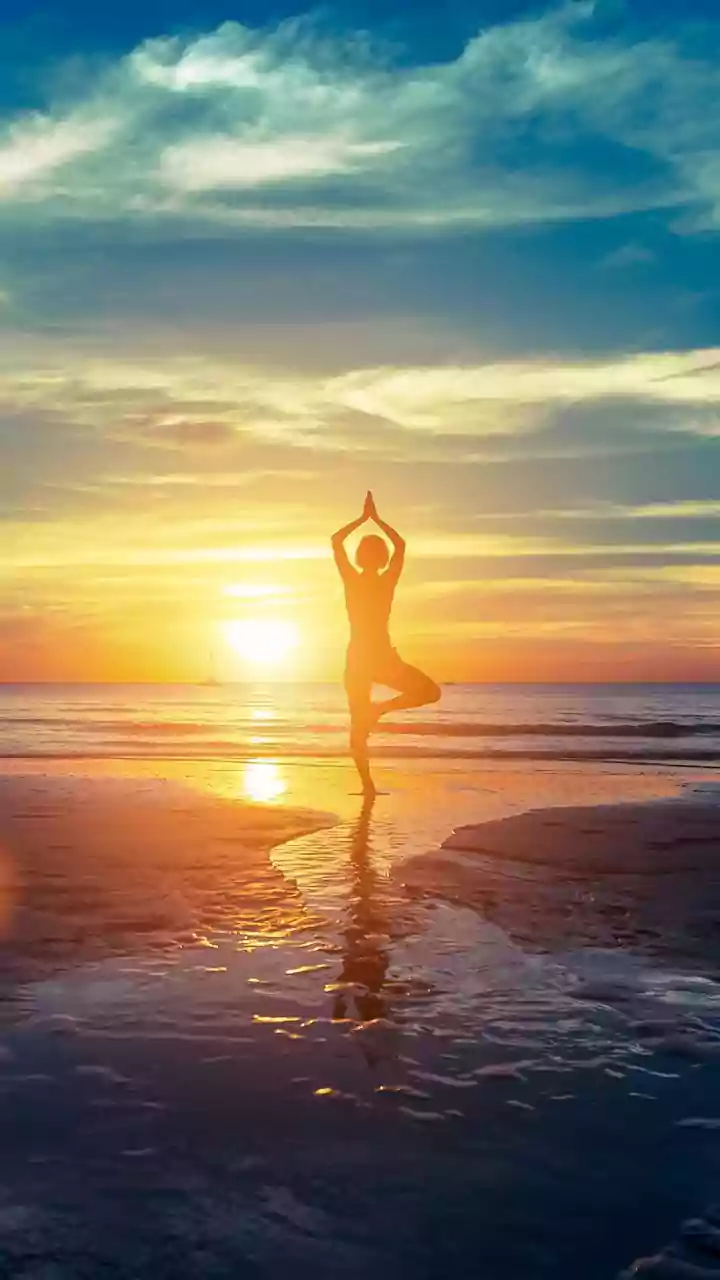
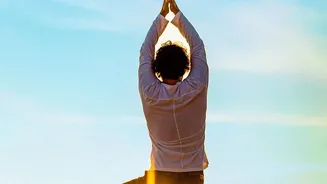
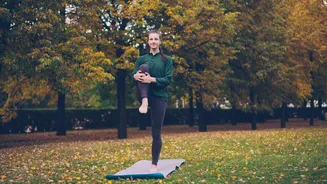
Vrikshasana is a foundational standing balance pose in yoga that mirrors the grace and stability of a tree. You stand on one leg, representing the trunk, while the other foot rests on the inner thigh or calf, and arms extend like branches. This pose is celebrated
for its ability to strengthen the ankles, thighs, and core muscles, all while improving posture and concentration. Beyond the physical, it cultivates a sense of groundedness and mental calm, asking you to find stillness amidst the subtle movements your body makes to stay balanced.
Why Use a Wall for Support?
A wall provides immediate physical feedback, making it an invaluable prop for beginners or anyone feeling unsteady. Using a wall removes the fear of falling, allowing you to focus on proper alignment without anxiety. You can explore the correct positioning of your hips, the engagement of your standing leg, and the opening of your bent knee with greater awareness. This support helps you build muscle memory and confidence, so you can gradually move away from the wall and practice the pose unsupported. It's about using the wall as a guide, not a crutch, to understand the mechanics of the posture more deeply.
Variation 1: Sideways Hand Support
This is often the first step when incorporating a wall. Stand with your right side about an arm's length from the wall. Begin in Mountain Pose (Tadasana), feeling both feet firmly on the ground. Shift your weight into your right foot, keeping the standing leg strong but not locking the knee. Place your right hand lightly on the wall for balance. Bend your left knee and place the sole of your left foot on your inner right calf or thigh—always avoid placing it directly on the knee joint. Keep your hips level and facing forward. You can bring your left hand to your heart in a prayer position. Hold for 20-30 seconds, breathing steadily, before switching sides.
Variation 2: Back Against the Wall
For more comprehensive support, practice with your back against the wall. This variation is excellent for understanding spinal alignment and hip stability. Stand with your back touching the wall. Shift your weight onto your left leg. Bend your right knee out to the side and place your right foot on your inner left thigh or calf. The wall supports your entire back, helping you keep your spine long and your hips from tilting. You might notice you can hold the pose for longer. With this added stability, you can freely explore different arm variations, such as bringing both hands to your heart or reaching them overhead.
Variation 3: Knee Resting on the Wall
This unique variation allows your hands to be free while still providing a point of contact for stability. Stand facing parallel to the wall, with the leg you intend to lift closer to it. Adjust your distance so that when you lift your leg into Tree Pose, your bent knee can gently rest against the wall for support. This ensures your body remains vertical and prevents you from tilting to one side. With your knee supported, you can confidently bring your palms together at your chest or extend them upward, focusing on your breath and gaze (drishti).
Progressing to Freestanding Tree Pose
The goal of using a wall is to eventually feel stable enough to practice without it. As you get more comfortable, start to reduce your reliance on the support. If using your hand, try lifting it off the wall for a few seconds at a time. If using your back or knee, try to subtly move away from the wall and see if you can maintain your balance. Be patient; balance improves with consistent practice, not overnight. Focus on a steady gaze point (drishti) and even breathing, as these are key components to maintaining your stability in any balancing posture.