






The Delicate Difference
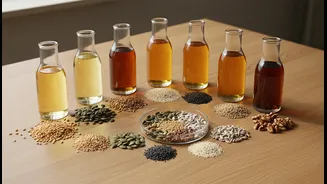
So, what makes these 'minor' or specialty seed oils different from the everyday oils we use for deep-frying? It comes down to their chemical structure. Many of these oils, especially those that are cold-pressed, are rich in polyunsaturated fats. These
fats, which include beneficial omega-3s, are more chemically fragile than the monounsaturated or saturated fats found in other oils. This delicacy is a double-edged sword. It's what makes them nutritionally potent, but it also makes them highly susceptible to damage from three main culprits: heat, light, and air. When exposed to these elements, the oils can oxidize, a process that not only destroys their nutritional value and creates off-flavours but can also produce harmful compounds. The goal is to protect these oils from oxidation to preserve both their taste and health benefits.
Storage: A Cool, Dark Place Is Your Friend
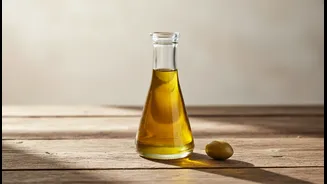
The biggest mistake many people make is storing all oils in the same way, often in a clear bottle right next to the stove. For delicate seed oils, this is a recipe for rapid spoilage. The combination of light and heat is their greatest enemy. The best practice is to store them in a cool, dark place, like a pantry away from any appliances. For particularly fragile oils with a high polyunsaturated fat content, the refrigerator is the best option. This includes oils like flaxseed, walnut, and hemp seed. Refrigeration dramatically slows down the oxidation process and extends their life. Don't be alarmed if the oil turns cloudy or solid in the fridge; this is a normal reaction and does not affect the quality. Simply let it sit at room temperature for a little while before you plan to use it. Always ensure the bottle cap is sealed tightly to keep air out.
Heat: Handle With Care
Every oil has a 'smoke point'—the temperature at which it stops shimmering and starts to smoke. Heating an oil past its smoke point doesn't just create a bad taste and a smoky kitchen; it also breaks down the oil's beneficial compounds. Many minor seed oils have very low smoke points, making them unsuitable for high-heat cooking like frying or searing. Using them for a tadka or deep-frying would destroy their delicate nutrients and unique flavours. These oils are at their best when used with little to no heat. Think of them as finishing oils, meant to add a final burst of flavour and nutrition to a dish just before serving.
Focus On: Flaxseed Oil
Flaxseed oil is a nutritional powerhouse, celebrated for its high content of ALA, a plant-based omega-3 fatty acid. However, it is extremely sensitive to heat and has a very low smoke point of around 107°C (225°F). It should never be used for cooking. Instead, use its nutty flavour to enrich smoothies, yoghurts, or salad dressings. You can also drizzle it over cooked dal, sabzi, or soup after it has been served. To maintain its freshness and prevent it from becoming bitter, flaxseed oil must be stored in the refrigerator in an opaque bottle and consumed relatively quickly after opening.
Focus On: Walnut Oil
Unrefined walnut oil has a rich, nutty flavour that can elevate many dishes. With a low-to-medium smoke point around 160°C (320°F), it can handle very gentle, low-heat cooking, but it truly shines in cold applications. It makes an exceptional vinaigrette, especially for salads that include fruits or cheese. Drizzling it over roasted vegetables, pasta, or even a bowl of oatmeal adds a wonderful complexity. Like flaxseed oil, walnut oil is rich in polyunsaturated fats and benefits greatly from being stored in the refrigerator to keep it from going rancid.
Focus On: Pumpkin Seed Oil
Often dark green in colour with a robust, earthy flavour, pumpkin seed oil is another oil best used as a finisher. In places like Austria, it's a cherished staple, drizzled over everything from salads to vanilla ice cream. Its smoke point is relatively low, and heating it can diminish its distinctive taste and nutritional profile. Try it over pumpkin soup, roasted vegetables, or even swirled into yoghurt or hummus. While some sources say it can handle low heat, the consensus is that its flavour is best preserved when used raw. Cool, dark storage is recommended, with many suggesting refrigeration after opening to preserve its unique aroma.