



Why Good Intentions Go Wrong
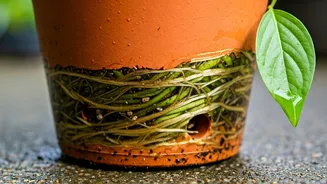
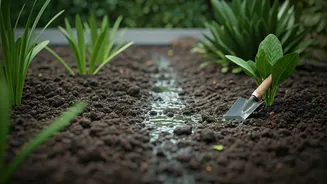
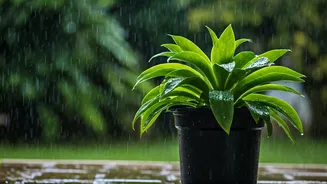
We're often taught that plants need water to live, which is true. But it’s easy to forget the other essential ingredient for healthy roots: oxygen. Plant roots don't just absorb water; they also need to breathe. When you overwater a plant, the soil becomes
completely saturated. The tiny air pockets that normally hold oxygen are filled with water, effectively suffocating the roots.This oxygen-deprived environment is the perfect breeding ground for fungi and bacteria that cause root rot. These pathogens attack the weakened roots, turning them from firm, white structures into black, mushy, and foul-smelling decay. Once the root system is compromised, it can no longer absorb water or nutrients, no matter how wet the soil is. This is why a plant can look wilted and thirsty even when it’s sitting in a puddle — its delivery system has failed. The collapse can seem sudden, but the problem has likely been developing unseen below the surface for days or weeks.
Signs Your Plant is Drowning
Recognising the symptoms of overwatering early is the key to saving your plant. Don't just look at the soil; the plant itself will give you several clues. The most common sign is yellowing leaves, especially the lower ones. Unlike underwatering, where leaves turn brown and crispy, overwatered leaves often feel soft and limp before they drop. Another major red flag is wilting. If your plant is drooping but the soil feels wet to the touch, you are almost certainly dealing with waterlogged roots.Other signals include a halt in new growth, soft or mushy spots at the base of the stem, and the appearance of small flies (fungus gnats) hovering around the soil, as they are attracted to consistently moist conditions. If you're brave enough, a quick sniff of the soil can be revealing. Healthy soil smells earthy; soil with root rot will have a distinct, unpleasant odour of decay, much like a swamp or rotten vegetables.
Prevention: The Best Medicine
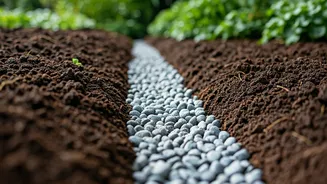
The easiest way to avoid root rot is to master the art of watering. First, ditch the rigid schedule. Instead of watering every Sunday, check the soil first. The classic “finger test” is your best friend: insert your finger about an inch or two into the soil. If it feels dry at that depth, it’s time to water. If it’s still moist, wait another day or two and check again. This is especially crucial during India’s monsoon season, when high humidity means soil dries out much more slowly.Second, ensure your pot has proper drainage. A pot without drainage holes is a death trap for most plants. Excess water must have a way to escape. If you love a decorative pot that lacks holes, use it as a “cachepot” — place the plant in a slightly smaller plastic nursery pot (with holes) and then set that inside the decorative one. After watering, wait 15-20 minutes and then pour out any excess water that has collected in the outer pot. Using a well-draining potting mix, often containing perlite or sand, also helps prevent water from stagnating around the roots.
Emergency Rescue for a Waterlogged Plant
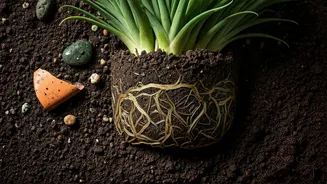
If you suspect your plant is already a victim of root rot, you need to act fast. Don't just wait for the soil to dry out. Gently remove the entire plant from its pot. Carefully shake off the excess soil and examine the roots. Healthy roots are typically firm and white or light-coloured. Rotted roots will be black or brown, mushy, and may fall apart when you touch them. They will also smell bad.Using a clean, sharp pair of scissors or shears, trim away all the affected roots. Be ruthless; leaving any diseased roots behind will only allow the rot to spread again. If you have to remove a significant portion of the root system, you should also prune back about a third of the plant's foliage. This helps balance the plant, as the reduced root system can no longer support a full crown of leaves. Finally, repot the plant in a clean pot with fresh, well-draining potting mix. Do not reuse the old, contaminated soil. Water it lightly and place it in a spot with indirect light to recover.