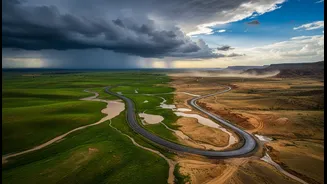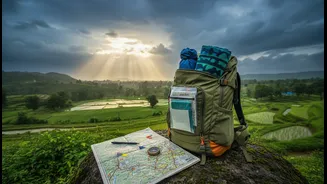





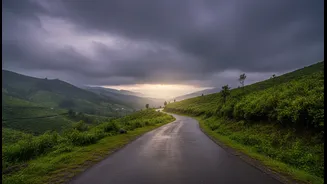
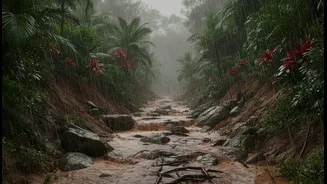


The Reality of a Raging Monsoon
July is the heart of the Indian monsoon, a period of intense and often unpredictable weather. As of early July 2026, the southwest monsoon has covered the entire country, bringing widespread heavy to very heavy rainfall across numerous states. This isn't
just a light drizzle; we're talking about conditions that can lead to flash floods, landslides, waterlogged cities, and significant travel disruptions. The India Meteorological Department (IMD) has issued alerts for regions from the Himalayas to the southern coast, underscoring the seriousness of the situation. For travellers, this means that popular destinations can become inaccessible or dangerous overnight. Roads can be blocked, train services disrupted, and flights delayed, turning a dream vacation into a logistical nightmare.
Decode the Weather Warnings
Before you even browse for hotels, your first stop should be the IMD website. The agency uses a simple colour-coded system to communicate the severity of weather events. Understanding these is key. 'Green' means all is well. 'Yellow' is a sign to 'Be Aware' and watch for updates. An 'Orange' alert means 'Be Prepared' for potentially disruptive weather, and authorities often advise against non-essential travel. A 'Red' alert is the most serious, signalling a need to 'Take Action' as severe weather is imminent and poses a significant threat to life and property. As of July 9, 2026, orange and red alerts have been issued for various parts of the country, including Delhi, and areas in the sub-Himalayan region. Checking these advisories should be the first step in your planning process.
High-Risk Zones to Reconsider This July
Certain regions are inherently more vulnerable during a heavy monsoon. The Himalayan states, particularly Himachal Pradesh and Uttarakhand, are on high alert for heavy rainfall, with warnings of potential landslides and flash floods. The IMD specifically identifies these hilly areas as vulnerable. Major pilgrimage and tourist routes in these states often face closures. Similarly, the Western Ghats—spanning Maharashtra, Goa, Karnataka, and Kerala—are experiencing extremely heavy rainfall. The Konkan coast, including Goa, is under advisories, with rough sea conditions and warnings for fishermen that extend to tourists. Several popular trekking routes, waterfalls, and forts in Maharashtra have been officially closed to the public for safety reasons. Cities like Delhi and Mumbai are grappling with significant waterlogging. It’s wise to avoid or at least reconsider plans for these high-risk areas until the current spell of intense rain subsides.
A Smarter Way to Plan Your Trip
The golden rule for July travel is flexibility. Instead of picking a destination and hoping for the best, let the weather guide you. Start by monitoring the 5-day forecasts from the IMD. Once you identify a region with a stable or 'Green' alert, you can proceed. Prioritise booking flexible or refundable travel options first. This gives you an exit strategy if a sudden weather warning is issued. Only after your route is confirmed and seems safe should you lock in your accommodation. This reverses the traditional booking process, but it's a necessary shift in mindset for monsoon travel. This approach ensures your safety is paramount and minimises the financial loss from non-refundable bookings if plans must change.
Safer Monsoon Alternatives
This doesn't mean you must cancel all travel plans. Some parts of India are relatively safer during the peak monsoon. The desert state of Rajasthan, for instance, receives significantly less rainfall and can be a magical experience with its washed-clean palaces and less-crowded cities like Udaipur and Jaipur. Similarly, some areas in the rain-shadow region of the Deccan Plateau, like Hampi in Karnataka, offer a viable travel option. Regions like Ladakh and Spiti Valley remain largely dry and are prime destinations in July. While still beautiful, even destinations often promoted for monsoon travel, like Kerala and Coorg, are currently experiencing heavy rainfall, so checking local, district-specific advisories is essential before making any commitments.