






Why Go Natural on Your Balcony?
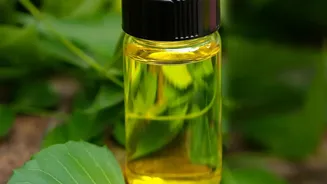
Choosing natural pest control is especially important in the small, contained environment of a balcony or patio. Unlike in a large, open garden, any chemicals you spray are more likely to linger in the air or on surfaces. Natural solutions like neem oil
and soapy water are non-toxic once dry, making them a safer choice for households with children and pets. They are also biodegradable and specifically target common pests without harming the beneficial insects, such as ladybugs and bees, that you might want to attract. This approach protects your plants, your family, and the little ecosystem you have created, ensuring your urban oasis remains a healthy and pleasant space.
The Power of Neem Oil
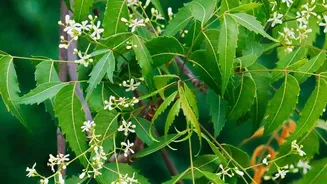
Neem oil, extracted from the seeds of the neem tree native to the Indian subcontinent, is a cornerstone of organic gardening. Its power comes from active compounds, primarily azadirachtin, which works in multiple ways. It acts as a repellent, an 'antifeedant' that stops pests from eating your leaves, and a hormone disruptor that interrupts their growth and reproduction cycles. It is particularly effective against common balcony pests like aphids, spider mites, mealybugs, and whiteflies. Neem oil also has antifungal properties that can help suppress common issues like powdery mildew and black spot, making it a versatile tool for overall plant health.
How to Make and Use Neem Oil Spray
Creating your own neem oil spray is simple. Since oil and water do not mix, you need a mild liquid soap to act as an emulsifier. For a one-litre batch, combine one litre of warm water with 1 to 1.5 teaspoons of cold-pressed neem oil and about half a teaspoon of a mild, biodegradable liquid soap, like castile soap. Shake the mixture vigorously in a spray bottle. Before treating an entire plant, always test the spray on a small, inconspicuous leaf and wait 24 hours to ensure there is no damage. The best time to spray is in the early morning or late evening, as applying it in direct sunlight can burn the leaves. Be thorough, ensuring you coat the tops and undersides of all leaves, where pests often hide. For an active infestation, reapply every 7 days. For prevention, a spray every 14 days should suffice.
The Simplicity of Soapy Water
An even simpler, yet effective, solution is a basic soapy water spray. This method works on contact, targeting soft-bodied insects like aphids, mealybugs, and spider mites. The fatty acids in true soap dissolve the insect's waxy outer layer, causing dehydration and death. It is crucial to use a 'true' soap, like castile soap, and not a synthetic detergent, such as many common dishwashing liquids. Detergents can strip the natural protective oils from plant leaves and may contain chemicals harmful to them. While a very diluted solution with a mild dish soap can work, a plant-based soap is always a safer bet to avoid potential foliage burn.
Creating Your Soapy Water Spray
To make an insecticidal soap spray, mix 1 to 2 teaspoons of a mild liquid soap (like Dr. Bronner's or another castile soap) into one litre of water. Shake it gently to combine. Just as with neem oil, it is wise to test the spray on a small part of the plant first. Apply the solution thoroughly with a spray bottle, focusing on areas where you see pests, especially the undersides of leaves and at the joints of stems. The spray only works when it is wet and in direct contact with the pests. For active infestations, you may need to reapply every few days for a week or two to manage newly hatched insects.
Prevention Is the Best Protection
The most effective pest management strategy is prevention. Healthy plants are less susceptible to attack. Start by always inspecting new plants for any signs of pests before adding them to your balcony garden. Ensure your pots have good drainage and avoid overwatering, as damp soil can attract fungus gnats. Good air circulation is also key, so try not to overcrowd your plants. Regularly wiping down leaves with a damp cloth can remove dust and dislodge any early-stage pests. Finally, consider growing pest-repellent plants like marigolds, mint, or basil alongside your more vulnerable greenery to create a natural defence.