






Compare Interest Rates and the Total Cost
The advertised interest rate is just the starting point. Gold loan interest rates in India can range from as low as 8% to over 25% annually, depending on whether the lender is a bank or a Non-Banking Financial Company (NBFC). Banks often offer lower rates,
but NBFCs might provide faster processing. Don't be swayed by a low headline number alone. Ask for the Annual Percentage Rate (APR), which includes the interest rate and other charges, to understand the total cost of borrowing. Always compare offers from multiple lenders to find the most competitive and transparent terms. A deal that seems too good to be true might involve hidden costs that inflate your repayment amount.
Understand the Loan-to-Value (LTV) Ratio
The Loan-to-Value (LTV) ratio determines how much money you can borrow against the market value of your gold. The Reserve Bank of India (RBI) has set a cap on the LTV, which generally cannot exceed 75% of the gold's value for most loans. This means if your gold is valued at ₹1,00,000, the maximum loan you can typically receive is ₹75,000. It's important to know that lenders value only the gold in your jewellery; stones, gems, and making charges are not included in the valuation. A higher LTV might seem attractive as it gives you more cash, but it can sometimes come with higher interest rates as it represents a greater risk for the lender.
Investigate All Potential Charges
Beyond the interest rate, lenders may levy several other fees that can significantly increase the loan's overall cost. Be sure to ask about processing fees, which can be a percentage of the loan amount, typically between 0.5% and 2%. Other potential costs include valuation or appraisal fees, documentation charges, and late payment penalties. Some lenders also have prepayment or foreclosure charges if you decide to pay off the loan early. A reputable lender will be transparent about all applicable fees, so request a detailed breakdown of charges before signing any documents.
Evaluate the Repayment Flexibility
Gold loan providers offer various repayment structures, and choosing the right one is crucial for avoiding default. Common options include paying regular EMIs that cover both principal and interest, paying only the interest monthly and the principal at the end of the term, or making partial payments whenever you have surplus funds. The 'bullet repayment' option, where you pay the entire principal and interest in a lump sum at the end of the tenure, is also popular. Assess your financial situation and cash flow to select a plan that you can comfortably manage. Defaulting not only impacts your credit score but also puts your family heirlooms at risk of being auctioned.
Verify the Lender's Credibility and Security
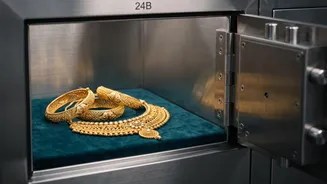
Since you are entrusting valuable and often sentimental assets, the lender's credibility is paramount. Ensure the bank or NBFC is registered with the RBI and has a good reputation. Look for online reviews and ask about their security measures for storing the pledged gold. Reputable lenders have secure vaults and provide proper documentation and receipts for the jewellery you pledge. Be wary of lenders who lack a physical office, rush the process, or are not transparent about their terms and conditions, as these can be red flags for fraudulent operations. A trustworthy lender will answer all your questions clearly and ensure you understand the entire process.