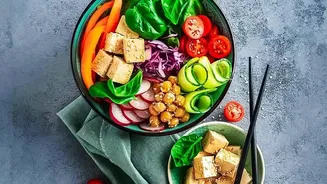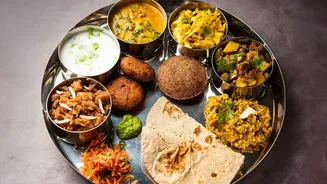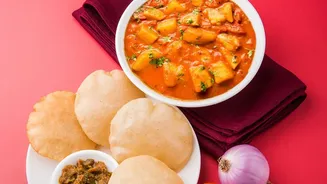



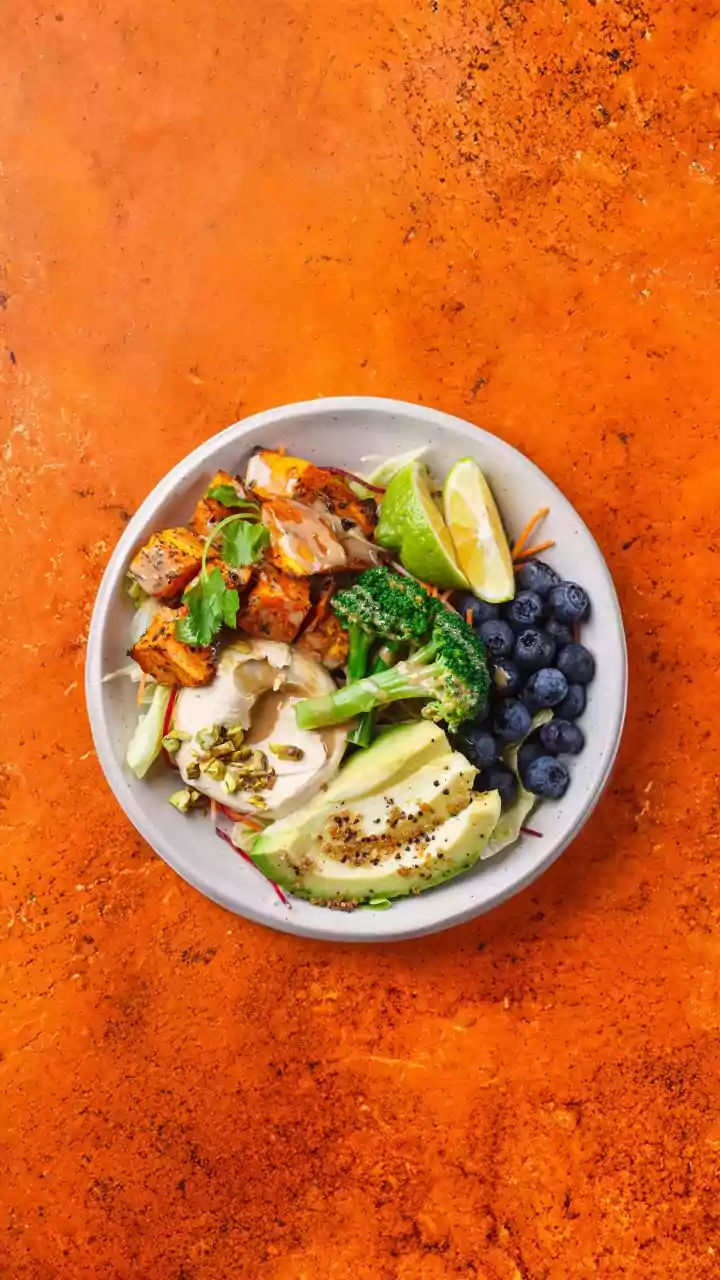

Prioritise Fibre and Complex Carbs
Many traditional fasting foods can feel heavy but leave you hungry soon after. This is often because they are simple starches that digest quickly. To stay full longer, focus on complex carbohydrates and fibre. Opt for flours like kuttu (buckwheat) and rajgira
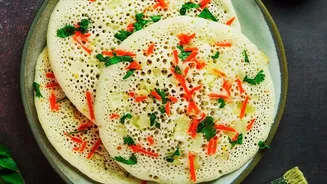
(amaranth) to make rotis or cheelas instead of relying solely on potatoes and sabudana. These flours are not only gluten-free but also higher in fibre and protein, which helps in slower digestion and a steady release of energy. Vegetables like pumpkin, bottle gourd (lauki), and sweet potatoes are also excellent sources of fibre that add bulk to your meals without excess calories.
Incorporate Vrat-Friendly Protein
Protein is essential for satiety, helping you feel full and preventing muscle breakdown during fasts. While primary sources like dals and legumes are avoided, there are many excellent vrat-friendly options. Dairy products are a powerhouse of protein; include paneer, curd (yoghurt), and milk in your daily diet. Paneer can be grilled, stir-fried with vegetables, or added to cutlets. Nuts like almonds and walnuts, along with seeds, also provide a good dose of protein and healthy fats. Amaranth (rajgira) is considered a complete protein, making it a fantastic choice for your fasting meals.
Don't Shy Away from Healthy Fats
Healthy fats play a crucial role in making meals more satisfying and providing sustained energy. Instead of deep-frying puris and pakoras, which can make you feel lethargic, use healthier cooking methods like baking, grilling, or air-frying. Incorporate good fats by using pure ghee for cooking in moderation, as it aids digestion. Nuts and seeds like almonds, walnuts, and peanuts are excellent sources of healthy fats that also add a delightful crunch to your dishes. Adding roasted peanuts to your sabudana khichdi or having a handful of nuts as a snack can make a significant difference in your energy levels.
Hydration Is More Than Just Water
Sometimes our bodies mistake thirst for hunger. Staying well-hydrated is crucial during fasting to maintain energy and curb false hunger pangs. Apart from drinking plenty of water, include other liquids throughout the day. Coconut water is excellent for replenishing electrolytes, while buttermilk (chaas) is a cooling probiotic that aids digestion. You can also have fresh fruit juices (without added sugar) or herbal teas. A fruit and nut smoothie using yoghurt or milk can also serve as a filling and hydrating mini-meal.
Plan for Smart and Filling Snacks
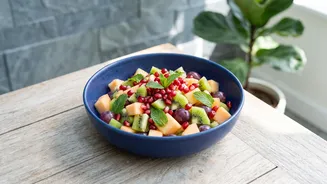
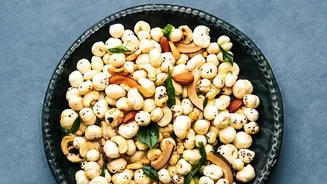
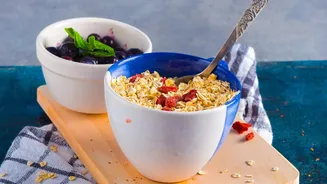
To avoid a large, heavy meal at the end of the day, it's better to eat smaller, more frequent meals. Healthy snacking can prevent energy dips and keep hunger at bay. Instead of packaged fasting snacks, opt for whole foods. Roasted makhana (fox nuts) is a light, crunchy, and nutritious option. A bowl of fruit chaat, a fruit and nut yoghurt bowl, or a sweet potato chaat can be both delicious and satisfying. These snacks provide a mix of fibre, vitamins, and natural sugars for a quick energy boost.