


Why Origin Is a Flavour Map
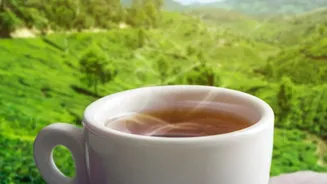
The story of a great tea begins with its 'terroir'—a term borrowed from the wine world that describes the complete natural environment in which a tea is grown. This includes the soil, altitude, climate, and even the local cultivation practices. These
elements combine to give teas from specific regions their unique character. For example, a high-altitude tea from Darjeeling, grown in cool mountain air, might have delicate, floral notes, while a tea from the warmer lowlands of Assam could be robust and malty. A reputable seller will proudly display a tea's origin, sometimes down to the specific estate or harvest date. A “single-origin” label means the tea comes from one specific location, offering a pure taste of that place. Blends, on the other hand, combine teas from different origins to achieve a consistent flavour profile. Paying attention to where your tea comes from isn’t just trivia; it’s the best predictor of the flavour profile you can expect in your cup.
Decoding the Ingredients List
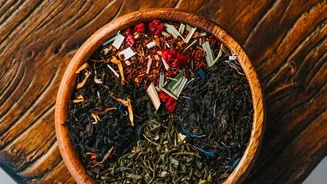
Once you know where the tea is from, the next step is to check what’s in it. The simplest ingredient list is, of course, just 'tea'. However, many speciality blends include other elements like fruits, spices, flowers, and flavourings. Here, quality is everything. Look for real, identifiable pieces of ingredients, like dried orange peel or whole cloves. Be cautious of teas that rely on the vague term 'natural flavouring'. While it sounds wholesome, this label can hide laboratory-created flavour compounds designed to mimic natural tastes, often used to mask lower-quality base tea. If a peach tea doesn't list 'peaches' but only 'natural flavour', it's worth a second thought. High-quality flavoured teas use real botanicals that complement the tea leaves rather than overpower them. The goal is a harmonious blend, not a chemical concoction.
The Language of the Leaf
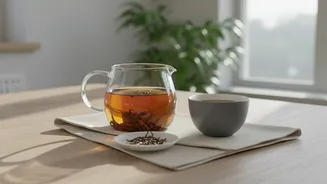
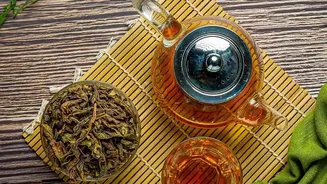
You can learn a lot about a tea’s quality just by looking at the dry leaves. As a general rule, the larger and more whole the tea leaves are, the higher the quality. Teas that look like dust or small, broken fragments—often found in mass-market tea bags—tend to produce a more bitter and less nuanced brew. High-quality loose-leaf teas will have a relatively uniform appearance in terms of size and shape. The colour should be vibrant, not faded, and the leaves should feel light and firm to the touch, not crumbly. For herbal infusions, the same rules apply: dried flowers and herbs should still retain some of their natural colour and have a pleasant fragrance. If they look faded and don't smell like much, they are likely old and have lost their potency.
Trusting Your Senses Before You Buy
Beyond the label and the look of the leaves, your own senses are a powerful tool. A high-quality tea should have a distinct and pleasant aroma even when dry. Open the tin or bag and take a deep sniff. It should smell fresh and vibrant, true to its type—whether that's grassy for a green tea, malty for a black tea, or floral for an oolong. A stale, dusty, or non-existent smell is a major red flag. This 'four senses' test—evaluating by sight, smell, touch, and finally taste—is a reliable way to gauge quality. When you find a tea that has uniformly sized whole leaves, a vibrant colour, and a wonderful aroma, you are well on your way to finding a truly satisfying cup.