


The Myth of the Daily Watering Schedule
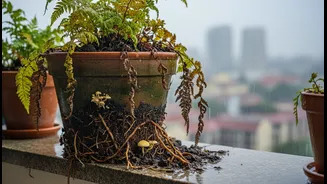
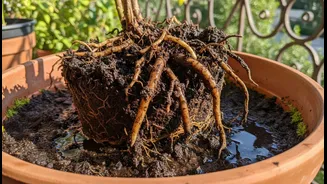
The most common mistake in container gardening is overwatering. Unlike plants in the ground, which have an entire ecosystem to buffer them, potted plants live in a confined world. Their roots can quickly become suffocated if the soil is constantly saturated,
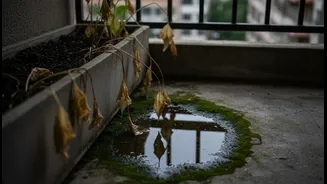
leading to root rot. A rigid daily watering schedule, while well-intentioned, ignores the specific conditions of your balcony and the needs of your plants. Factors like pot size, material, sun exposure, and wind can dramatically change how quickly soil dries out. A small terracotta pot in a windy, sun-drenched spot might need daily attention in summer, while a large glazed pot in a shaded corner could stay moist for several days. The most common cause of early plant death is overwatering, which highlights the importance of checking before you pour.
Understanding Your Balcony’s Unique Microclimate
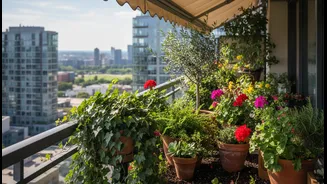
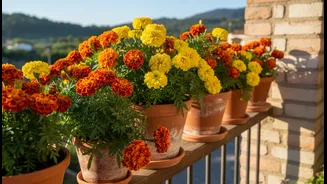
Every balcony has its own microclimate, a mini-environment shaped by its surroundings. A south-facing balcony will be much hotter and sunnier than a north-facing one. Concrete floors and brick walls absorb and radiate heat, further intensifying the environment. Wind is another critical, often underestimated, factor. It can act like a hairdryer, rapidly drying out soil and stressing plants, even on cool days. Because of these variables, it's impossible to follow a one-size-fits-all rule. The key is to spend time observing your space. Notice which corners get the most sun, where the wind hits hardest, and which plants seem to dry out the fastest. This understanding allows you to tailor your care routine to what your garden actually needs.
How to 'Listen' to Your Plants and Soil
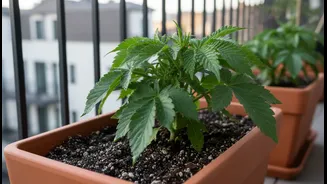
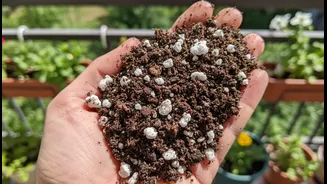
Instead of relying on a calendar, learn to read the signs from your plants and soil. The most reliable method is the finger test: stick your finger about an inch or two into the soil. If it feels dry at that depth, it's time to water. If it's still moist, hold off. Another simple technique is to feel the weight of the pot. A pot with dry soil is noticeably lighter than one that is well-watered. For smaller pots, this is a quick and effective check. You can also observe the plants themselves. Droopy or wilting leaves are a clear sign of thirst. For succulents, wrinkled or soft leaves indicate they need a drink. Using a simple wooden skewer or chopstick can also work like a cake tester; if it comes out clean and dry, the soil is dry.
Smarter Watering Techniques
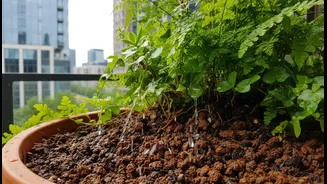
When you do water, do it effectively. The goal is to water deeply and thoroughly, but less frequently. This encourages roots to grow deeper, creating a more resilient plant. Water until you see it run out of the drainage holes at the bottom of the pot. This ensures the entire root ball is saturated and helps flush out excess salts from fertilisers that can build up in the soil. Avoid small, frequent splashes of water, as this only moistens the top layer of soil and encourages shallow root growth. The best time to water is in the early morning. This allows the plant to absorb the moisture before the heat of the day and lets foliage dry, which helps prevent fungal diseases.
The Art of Observation Goes Beyond Water
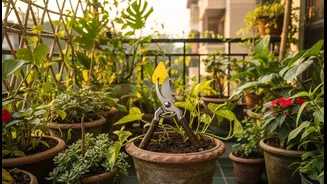
The principle of 'more watching' extends beyond just checking for thirst. A mindful daily check-in with your balcony garden helps you spot other issues before they become major problems. Look for signs of pests on the undersides of leaves. Notice if leaves are turning yellow, which could indicate a nutrient deficiency or overwatering. See if any plants are becoming overgrown and need pruning to allow for better air circulation. This habit of careful observation transforms gardening from a chore into a rewarding practice. You develop an intuition for your plants' needs and create a stronger connection to your little green space.