




The End of Empty Promises
For years, the beauty industry thrived on extravagant claims and aspirational marketing. But a significant shift is underway. Today's skincare buyers are increasingly cynical about over-the-top promises and are instead becoming 'skin-tellectuals'. [19]
They are more fluent in the language of skin biology and are holding brands to clinical standards of proof. [19] This has sparked a move away from products backed by celebrity endorsements and toward those supported by science and tangible results. [7] The consensus is clear: consumers want efficacy, driving them toward products formulated with scientifically proven ingredients. [24] This growing skepticism is forcing brands to re-evaluate their strategies, as ingredient lists and high doses of actives are no longer convincing on their own. [19]
From 'Miracle in a Jar' to Ingredient Lists
The new benchmark for trust in skincare is radical transparency. [6] Shoppers are no longer satisfied just knowing what's left out of a product; they want to know what’s in it, where it came from, and how it works. [6] This has led to a surge in 'science-backed' and 'dermatologist-backed' brands that prioritise clinically proven active ingredients like retinoids, Vitamin C, and niacinamide. [7, 14, 18] Brands like The Ordinary and CeraVe have built loyal followings by demystifying skincare, offering potent formulations with clear, honest labelling at accessible price points. [7] Research shows that a majority of consumers now actively research ingredient safety online or read labels before buying, signalling a permanent change in purchasing behaviour. [9]
The Rise of the 'De-Influencer'
Social media, once a key driver of hype, is now also the stage for its takedown. The 'de-influencing' trend has seen creators on platforms like TikTok gain popularity by telling their followers what *not* to buy. [1, 13] This movement encourages a more mindful, minimalist approach to consumption, cautioning against over-hyped, trendy products that may not be effective or necessary. [1, 8] It empowers individuals to do their own research, listen to their skin, and make informed decisions rather than blindly following recommendations. [1] This growing appetite for authenticity and real, uncurated content is another clear sign that consumers are tired of performance and are seeking presence and honesty instead. [13]
How to Be a Smarter Skincare Shopper
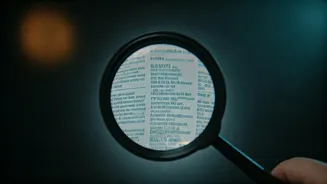
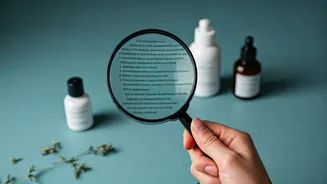
Navigating the crowded skincare market can feel overwhelming, but you can make informed choices with a few key strategies. First, learn to read the ingredient list (often called the INCI list). [11] Ingredients are listed in descending order of concentration, so the first five to seven ingredients make up the bulk of the formula. [2, 3, 5] Look for proven active ingredients high up on the list that target your specific concerns. [3] Be wary of 'signal' ingredients—an appealing ingredient highlighted in marketing but listed near the end, meaning it's present in a very small quantity. [2] Second, don't be swayed by buzzwords like 'clean' or 'natural', as these terms aren't regulated and can be misleading. [10, 11] Instead, focus on the overall formulation. Finally, always patch-test a new product before applying it to your entire face to avoid potential irritation. [3]