



The Great Green Makeover
For decades, Rajasthan’s brand has been synonymous with the Thar Desert, majestic forts under a blazing sun, and camel caravans. But a noticeable shift is underway. An abundance of strong monsoon seasons in recent years has transformed the Aravalli belt
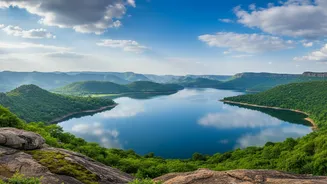
and southern regions into a vibrant, green paradise, challenging the state’s arid stereotype. Travellers, weary of crowded mainstream destinations and armed with stunning visuals from social media, are now flocking to the state between July and September. They are seeking what was once unthinkable: waterfalls, misty hills, and verdant landscapes. This 'green tourism' boom is supported by improved highways and air connectivity, making spontaneous monsoon getaways easier than ever.
Udaipur: The Reigning Monsoon Capital
At the heart of this trend is Udaipur. The City of Lakes sheds its summer languor and comes alive in the rains. Lakes Pichola and Fateh Sagar, often low in the preceding heat, swell to their full, shimmering capacity. The surrounding Aravalli hills, stripped of their dusty brown coat, don a velvety green. The city's famous Sajjangarh, aptly named the Monsoon Palace, offers panoramic views of the clouds rolling in over the water-logged city. For travellers, this means romantic boat rides on misty lakes, fewer crowds at the grand City Palace, and pleasant temperatures perfect for exploring its historic streets.
Banswara: Rajasthan’s Secret Cherrapunji
Venture further south and you'll find the state's best-kept monsoon secret: Banswara. Often called the 'Cherrapunji of Rajasthan', this district receives the highest rainfall in the state, creating a landscape that feels more like Kerala than the desert. Its other nickname, 'City of a Hundred Islands', comes from the vast network of isles formed by the backwaters of the Mahi Dam. During the monsoon, the dam's gates often open to release thunderous cascades, drawing crowds, while the surrounding area bursts with greenery and waterfalls, offering an offbeat experience that completely dismantles the desert narrative.
Misty Forts and Mountain Air
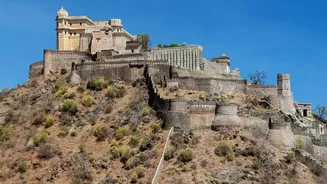
The monsoon magic extends to Rajasthan's highlands. Mount Abu, the state’s only hill station, becomes a misty sanctuary. The cool air, serene Nakki Lake, and lush trails make it a classic retreat from the heat of the plains. Further north, the formidable Kumbhalgarh Fort takes on a dramatic new personality. The fort's 36-kilometre wall, the second-longest in the world, snakes through hills that are now intensely green. From its highest point, Badal Mahal (Palace of Clouds), visitors can watch layers of mist swirl through the valleys below, offering breathtaking views and a quiet, immersive alternative to the winter tourist rush.
Wildlife in a World of Green
The monsoon also transforms the experience for wildlife enthusiasts. While some core zones of major parks like Ranthambore may be closed, the buffer areas and other sanctuaries offer a unique spectacle. The Jawai leopard hills, located between Jodhpur and Udaipur, turn lush, providing a stunning green backdrop for spotting the region's elusive cats. The landscape is reborn, and the dust gives way to a vibrant ecosystem. Destinations like Sariska and Keoladeo National Park also offer wonderful opportunities for birdwatching as migratory species arrive to enjoy the newly filled wetlands.