



An Ancient Practice Goes Viral
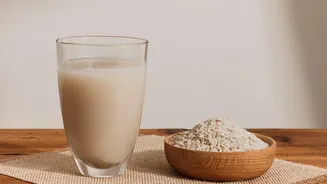
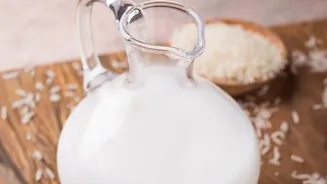
Scroll through wellness feeds and you’ll see it: jars of cloudy liquid, touted as a miracle cure for everything from dull hair to digestive distress. This is fermented rice water, a remedy with deep historical roots, particularly in Asia. For centuries,
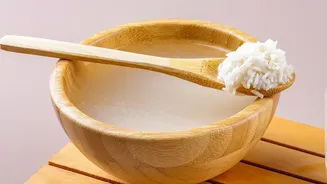
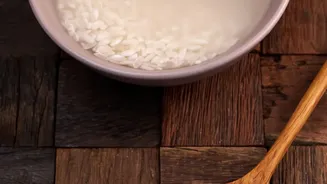
women in countries like Japan and China have used the starchy water left over from rinsing rice to care for their famously long, healthy hair. The women of China's Huangluo village, for instance, are renowned for their floor-length hair, which they attribute to washing with fermented rice water. Now, this tradition has been supercharged by social media, evolving from a simple hair rinse into a holistic health trend that includes drinking the concoction for its supposed probiotic benefits.
The Hair Claim: A Rinse for Radiance and Growth
The primary claim is that a fermented rice water rinse can make hair stronger, shinier, and longer. Proponents believe the fermentation process enriches the water with nutrients like amino acids, inositol (a form of vitamin B), and vitamins B and E. The theory is that these components can penetrate the hair shaft to strengthen it from within, while the starch coats the strand, reducing friction and increasing shine. Fermentation also lowers the water's pH to be more in line with hair's natural acidity, which helps the hair cuticle lie flat, resulting in a smoother, less frizzy appearance.
Hair Reality: More Cosmetic Than Curative
While rice water can make hair feel smoother and look shinier, dermatologists and scientists are quick to point out that there is no clinical evidence to prove it makes hair grow faster. The benefits are largely cosmetic and temporary. The starchy coating can make hair appear fuller and the inositol may help reduce breakage, which helps with length retention, but it doesn't stimulate new growth from the follicle. In fact, overuse can lead to protein overload and build-up, especially in low-porosity or dry hair types, causing stiffness and further dryness. So, while it can be a nice conditioning step, it's not a treatment for hair loss.
The Gut Claim: A Probiotic Powerhouse
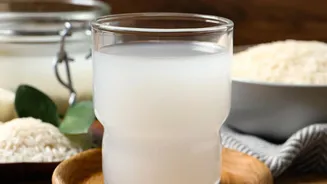
The newer and more audacious claim is that drinking fermented rice water can improve gut health. This idea stems from the broader wellness trend of consuming fermented foods like kefir and kimchi for their probiotic content. During fermentation, beneficial bacteria like Lactobacillus are thought to multiply, turning the rice water into a natural probiotic drink. Influencers and some nutritionists suggest that consuming this can aid digestion, reduce bloating, and support a healthy gut microbiome, which is linked to overall immunity and wellness.
Gut Reality: A Risky DIY Experiment
This is where the trend becomes potentially dangerous. While controlled fermentation is the basis for many healthy foods, a homemade, unregulated brew is a gamble. Improper fermentation can easily cultivate harmful bacteria, leading to foodborne illness. Furthermore, the type and quantity of probiotic strains in a DIY rice water ferment are unknown and inconsistent. Experts also warn about the potential for arsenic, which can be present in rice, to leach into the water. For gut health, you are far better off consuming regulated, commercially available fermented products like yogurt, kefir, or kombucha, or speaking with a doctor about a quality probiotic supplement.
How to Approach the Trend Safely
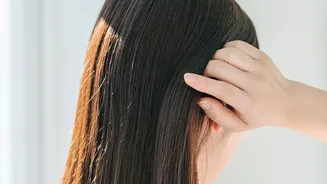
If you're curious about the hair benefits, the safest approach is to use it as an occasional rinse. After shampooing, apply freshly made (or briefly fermented, for 12-24 hours) and diluted rice water to your hair, let it sit for a few minutes, and then rinse thoroughly to avoid build-up. However, when it comes to consumption, the consensus is clear: do not drink homemade fermented rice water due to the risk of contamination. Instead, focus on a balanced diet rich in fiber and proven probiotic sources to support your gut health.