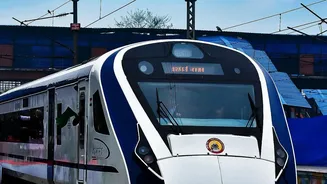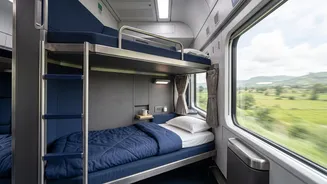





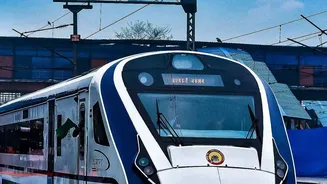
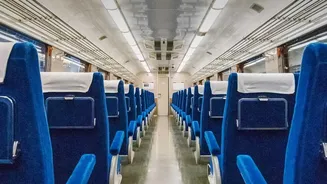
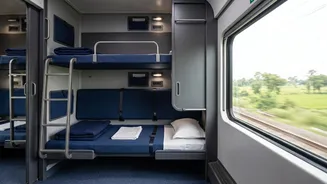
Anyone who has taken an overnight train in India knows the challenge of sleeping near the coach entrance. A new design feature in the Vande Bharat Sleeper aims to solve this, but its purpose is more specific than just making the cabins quieter.
The Common Disruption Zone
On most
long-distance trains, the berths located at either end of a coach are often considered the least desirable. These sleeping areas are directly exposed to the high-traffic zone near the main entrance doors and the inter-coach gangway. Passengers frequently walk through, vendors pass by, and the light and noise from the vestibule area can spill into the cabin every time the door opens. For those trying to get a full night's rest, this constant activity—the movement, the light, the chatter—creates a significant disturbance that has long been a common complaint among travellers in AC 3-tier coaches.
A Simple But Smart Design Tweak
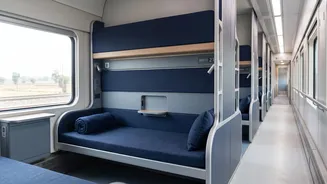
The upcoming Vande Bharat Sleeper trains introduce a thoughtful solution to this exact problem. Based on videos and design previews, the key change is the placement of the aisle door. Instead of the berths starting immediately next to the main coach entryway, there is now a vestibule-like space that creates a buffer zone. A sliding automatic door separates this entry area from the main passenger cabin where the berths are located. This effectively creates a small lobby, moving the point of entry and exit further away from the nearest sleeping passengers and containing the disruption before it enters the cabin.
Targeting Disturbance, Not Overall Noise
The headline's nuance is important here. This feature is engineered to tackle a specific type of 'disruption'—namely, the light and movement from the doorway area. By creating a physical separation, it prevents light from flooding the sleeping area and reduces the direct impact of foot traffic. However, it is not explicitly designed as a soundproofing measure for the entire coach. While a closed door will naturally block some noise from the gangway, it doesn't address the ambient sounds of the train itself, such as wheel noise on the tracks, vibrations, or mechanical hums from the air-conditioning. Indian Railways has mentioned that Vande Bharat sleepers will have 'noise-reduction arrangements' and 'improved insulation' generally, but this particular door feature is about managing a specific passenger inconvenience.
Part of a Broader Comfort Upgrade
This thoughtful layout is just one of many passengercentric upgrades planned for the Vande Bharat Sleeper fleet. The broader vision is to create a travel experience that rivals international standards. The trains are set to feature ergonomically designed berths, improved ladders for upper berths, sensorbased intercommunication doors, and redesigned toilets to improve hygiene. Other planned amenities include enhanced lighting, hot water showers in First AC, and advanced safety systems like KAVACH, a train collision avoidance system. This specific design tweak for the endofcoach berths is a clear signal that designers are focusing on fixing small but persistent issues that affect the quality of an overnight journey.