






The Anatomy of Conflict
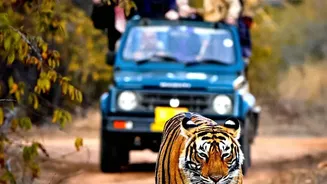
As India's tiger population rebounds, a celebrated conservation victory has an unavoidable consequence: more tigers are spilling out of protected reserves and into human-dominated landscapes. For a farmer or villager living on the edge of a forest, a tiger is
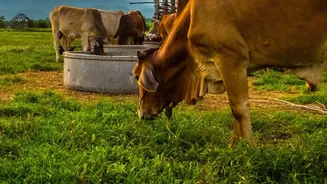
not just a symbol of national pride; it can be a direct threat to their livelihood. The loss of a single cow or buffalo to a tiger is not a minor inconvenience—it is a significant financial blow that can cripple a family's income. This economic desperation, coupled with fear, creates a volatile situation. When a big cat preys on livestock, the response from the affected community is often driven by anger and a need for justice, which can tragically manifest as a retaliatory killing. These revenge attacks, often carried out by lacing a livestock carcass with poison, are a major threat to tigers and can wipe out entire families of the endangered animal.
How Compensation Intervenes
Community compensation programs are designed to break this cycle of violence. The premise is simple: by providing timely and fair financial reimbursement for livestock killed by tigers, the economic incentive for retaliation is removed. These programs are run by state forest departments, often with funding support from the National Tiger Conservation Authority (NTCA) and various non-governmental organizations (NGOs). When a livestock kill occurs, the owner reports it to local authorities. Officials then verify the claim, and if confirmed to be a tiger or leopard attack, a payment is processed. In states like Uttarakhand and Madhya Pradesh, these schemes provide ex-gratia payments for livestock loss, human injury, and even death. The goal is to transform the local community's perception of the tiger from a destructive liability into a manageable presence whose costs are shared by the broader conservation system.
From Revenge to Tolerance
The psychological shift these programs can foster is crucial. Without compensation, a farmer who loses an animal feels abandoned and victimised. This sense of injustice fuels the desire for retribution. However, a prompt and fair payment acknowledges their loss and validates their hardship. It sends a message that the government and conservation bodies understand the price local communities pay for living alongside wildlife. This builds a bridge of trust. Instead of seeing the forest department as an adversary that protects tigers at their expense, communities can begin to view them as partners. This goodwill is essential for long-term conservation, as it discourages not only retaliatory killings but can also reduce support for poaching networks that thrive on local resentment.
The Challenge of Implementation
Despite their clear benefits, compensation programs are not a silver bullet. Their effectiveness hinges entirely on execution. One of the most significant hurdles is bureaucratic delay. If the process of verifying a claim and disbursing funds takes months, the immediate anger and financial desperation that drive retaliatory attacks are not addressed. The compensation amount itself can also be a point of contention if it doesn't reflect the true market value of the lost animal. Furthermore, navigating the required paperwork can be a daunting task for many villagers. To counter these issues, some NGOs have launched their own rapid-response compensation funds, providing interim relief within days of an attack to immediately defuse tensions while the official government process unfolds. These initiatives have proven highly successful in reducing revenge killings by demonstrating immediate support.
Relocation and Coexistence
The headline mentions relocated tigers, a specific and complex part of the conservation puzzle. Tiger translocation can occur to repopulate areas where tigers have gone extinct or to move a tiger that has repeatedly come into conflict with humans. However, introducing a new predator can heighten local anxieties. Communities may resent the arrival of a 'problem' animal from elsewhere. In these scenarios, robust and reliable compensation systems are even more critical. They act as a foundational agreement: the community will tolerate the presence of the relocated animal, and in return, the state will guarantee that they will not bear the financial burden of any resulting conflict. This framework is vital for gaining the local consent and cooperation necessary for any translocation project to succeed.