




The Programmer's Posture Problem
Long hours spent sitting in front of a screen, laser-focused on complex problems, can be incredibly rewarding. However, this sedentary lifestyle is a major occupational hazard. When you're locked into a coding session, your posture is often the first
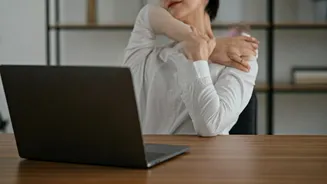
casualty. Shoulders slump, your back rounds, and your head pushes forward, leading to what some call 'tech neck'. Over time, this static posture leads to muscle tension, stiffness, and pain, particularly in the neck, shoulders, and back. Studies show that a significant percentage of desk workers experience these discomforts, which can escalate into chronic issues if ignored. Repetitive strain injury (RSI) is cited as one of the biggest threats to a programmer's career, making proactive care essential.
The 'Lazy Coder' Ethos: Maximum Efficiency
Coders are natural problem-solvers who thrive on efficiency. They look for elegant, simple solutions—or 'hacks'—that deliver maximum results with minimum effort. This mindset doesn't just apply to writing code; it extends to life. Why spend an hour at the gym when a 60-second routine can provide immediate relief and long-term benefits? The appeal of a 'lazy' hack isn't about avoiding work; it's about optimizing it. This desk stretch routine is the physical equivalent of a perfect script: it’s quick, automates a necessary process (physical maintenance), and prevents system crashes (burnout and injury). By integrating small, smart habits, you free up mental and physical energy for what really matters: solving the next big problem.
The Hack: A 60-Second Full-Body Reset
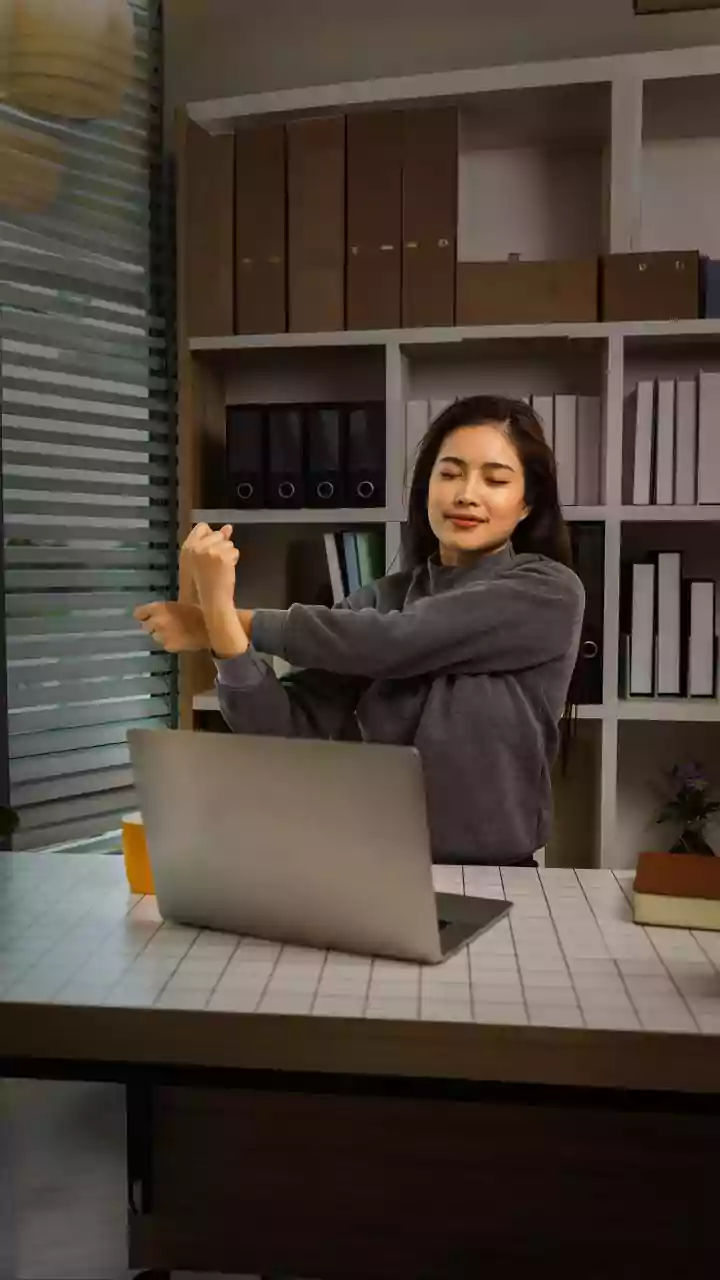
This isn't just one stretch, but a quick-fire sequence you can do without leaving your chair. Think of it as a system reboot for your body. The goal is to counteract the primary strains of sitting in about one minute. 1. Seated Cat-Cow (20 seconds): Sit at the edge of your chair, feet flat on the floor. Place your hands on your knees. As you inhale, arch your back and push your chest forward (Cow). As you exhale, round your spine and drop your chin to your chest (Cat). This mobilizes the spine. 2. Seated Spinal Twist (20 seconds): Stay seated. Twist your torso to the right, placing your left hand on your right knee and your right hand on the back of the chair for a deeper stretch. Hold for 10 seconds, breathing deeply. Repeat on the left side for 10 seconds. This releases lower back tension. 3. Neck and Shoulder Release (20 seconds): Sit tall. Gently tilt your right ear toward your right shoulder, holding for 10 seconds to stretch the side of your neck. Repeat on the left. Finish by rolling your shoulders backward and forward five times to release tension.
Beyond the Stretch: More Than Just Comfort
While the immediate feeling of relief is a great reward, the benefits of this mini-routine go much deeper. Taking regular, short breaks for movement and stretching is proven to boost productivity and focus. By increasing blood flow and oxygen to the brain, you can fight off the dreaded afternoon slump and return to your work feeling refreshed and mentally sharper. Furthermore, you're not just easing current aches; you're actively preventing future injuries. Consistent stretching improves flexibility, strengthens postural muscles, and reduces the risk of developing chronic conditions related to a sedentary job. It's a small investment in your daily routine that pays huge dividends for your long-term health and well-being, allowing for a more sustainable and comfortable career.