



Why Windowsills Are the New Garden Patch
As urban living spaces in India become more compact, the desire for a connection to nature hasn't shrunk. Instead, it has adapted. The windowsill garden has emerged as a chic and practical solution for apartment dwellers who lack balconies or terraces.
This trend is driven by a renewed focus on wellness, a desire for fresh, pesticide-free food, and the simple joy of nurturing life. It transforms a neglected space into a productive and beautiful micro-garden, offering both mental peace and tangible rewards, like fresh mint for your evening chai or tulsi for your morning prayers.
Finding the Right Light
The single most important factor for a successful windowsill garden is sunlight. Before you buy a single seed, observe your windows. Most culinary herbs and vegetables need at least four to six hours of direct sunlight to thrive. A south- or west-facing window is usually the best bet. An east-facing window can also work well for many herbs, providing gentle morning sun. If your home doesn't get that much natural light, don't despair. You can either choose low-light tolerant plants or supplement with a small, affordable LED grow light.
Best Plants for an Indian Windowsill
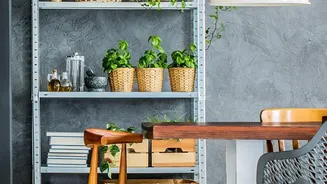
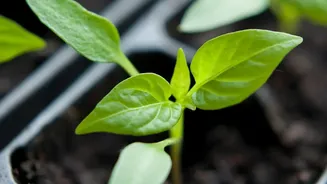
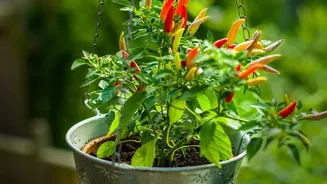
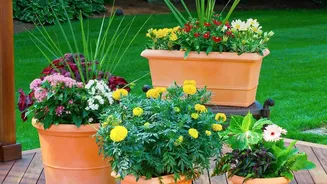
The key to success is choosing plants that are both suited to container living and your local climate. For Indian homes, a windowsill can be a perfect spot for a variety of useful and beautiful plants. Herbs are the easiest and most rewarding place to start. Think about what you use most in your cooking: Coriander (Dhania), Mint (Pudina), Holy Basil (Tulsi), and chillies grow exceptionally well in pots. Mint is especially beginner-friendly and grows vigorously. For something more substantial, try growing cherry tomatoes or leafy greens like spinach (palak) in a deeper window box. If flowers are what you prefer, marigolds are a hardy and cheerful option.
Choosing Pots and Soil
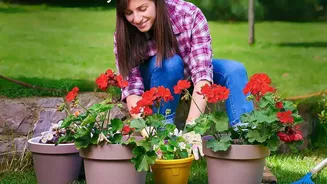
Choosing the right container is crucial. The number one rule is to ensure your pot has drainage holes at the bottom. Without drainage, water will pool and cause the roots to rot, which is one of the most common reasons indoor plants fail. Terracotta pots are a great choice as they are porous and help the soil breathe, but any plastic or ceramic pot with holes will work. When it comes to soil, avoid using heavy garden soil. Instead, buy a quality potting mix. These mixes are lightweight, provide good drainage, and are formulated to help plants thrive in a confined space.
The Golden Rules of Care
The two biggest mistakes beginners make are related to watering and feeding. Avoid watering on a fixed schedule, like every Sunday. Instead, check the soil by sticking your finger an inch deep. If it feels dry, it's time to water. Water thoroughly until it runs out the drainage holes, but don't let the pot sit in a saucer full of water. Since plants in small pots use up nutrients quickly, they need regular feeding. A general-purpose liquid fertiliser, diluted to half-strength and applied every two to three weeks during the growing season, will keep your plants lush and productive.