






An Annual Crisis, A Recurring Disruption
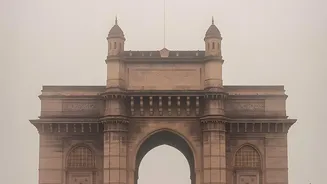
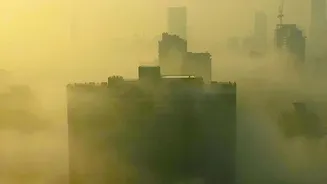
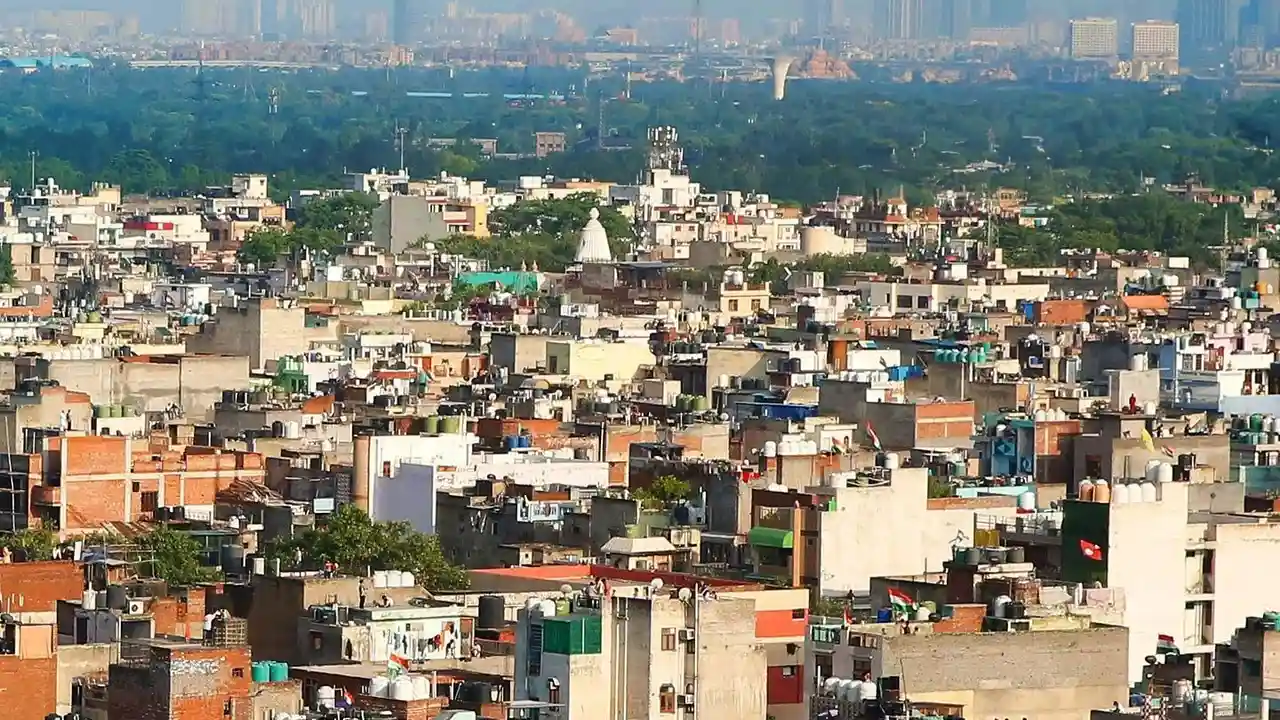
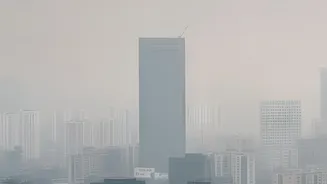
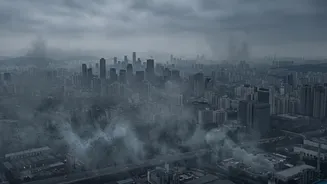
Every year, as winter approaches, Delhi and the National Capital Region (NCR) face a severe air quality crisis. This November is no different. With the Air Quality Index (AQI) frequently entering the 'very poor' and 'severe' categories, authorities have
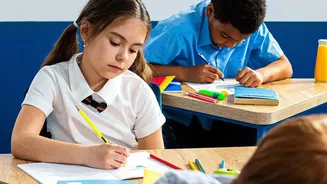
implemented Stage III of the Graded Response Action Plan (GRAP). A key part of this plan involves shifting classes for younger students to a hybrid or fully online model to minimise their exposure to the toxic air. While this move is a necessary precaution for physical health, it thrusts children back into an environment of isolation and digital dependency, a pattern that has become worryingly routine since the pandemic.
The Psychological Weight of Bad Air
The threat of air pollution is not just physical; it's a significant psychological stressor. The constant awareness of breathing in harmful air, even when indoors, can create a persistent feeling of being unsafe. This phenomenon, sometimes called eco-anxiety, is increasingly recognised as a real mental health concern. Scientific research has begun to draw direct lines between air pollution and mental health issues in young people. Studies have shown that exposure to pollutants like nitrogen oxides and fine particulate matter (PM2.5) during childhood is associated with a higher risk of developing anxiety and depression in later years. The developing brains of children are particularly vulnerable, and the inflammatory effects of pollutants can impact neurological and emotional regulation.
Confinement, Isolation, and Screen Fatigue
When schools close, the four walls of home become a child's entire world. The lack of physical activity, unstructured outdoor play, and face-to-face interaction with peers takes a heavy toll. Research has consistently shown that social isolation is a major contributor to loneliness and anxiety in children and teenagers. Online classes, while a functional substitute for in-person learning, come with their own set of stressors. Children experience 'Zoom fatigue', difficulty concentrating, and anxiety about keeping up with lessons without the direct support of a teacher. The reduced social cues and lack of spontaneous interaction with friends can leave them feeling disconnected and unmotivated. For many, this compounds the anxiety they already feel about the environmental situation outside.
When Parental Stress Becomes Contagious
Children are highly attuned to the emotional state of their parents and caregivers. During these periods of disruption, parents are often juggling their own work-from-home schedules, managing household responsibilities, and overseeing their children's online education. Studies conducted during the pandemic found a direct correlation between parental stress related to distance learning and increased anxiety and depression in their children. When parents are stressed about their child's health, education, and the general uncertainty, that anxiety can be unintentionally transferred to the child, creating a cycle of stress within the family.
How Parents Can Offer Support
While the larger problems of pollution require systemic solutions, parents can take steps to mitigate the impact on their children's mental well-being. Establishing a structured daily routine that includes breaks for physical activity and non-screen leisure time is crucial for creating a sense of normalcy and control. Experts also recommend fostering open communication. Creating a safe space for children to talk about their fears and frustrations without judgment can be incredibly validating. It’s important to acknowledge their concerns about the environment while also focusing on positive actions the family can take, even small ones, to create a sense of agency. Limiting their exposure to sensationalist news reports about pollution can also help reduce feelings of hopelessness.