




The Monsoon's Treacherous Allure
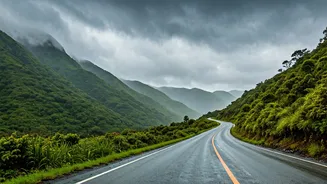
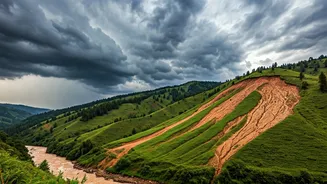
Every year, from June to September, the Indian monsoon transforms popular Himalayan destinations in states like Uttarakhand and Himachal Pradesh into a vision of emerald green. Waterfalls cascade down mountainsides, and clouds weave through the valleys,
creating a landscape that is both dramatic and deeply romantic. This beauty, however, comes at a high price. The same rains that nourish the scenery also bring significant dangers, including landslides, flash floods, and road blockages. As of late June 2026, weather advisories from the India Meteorological Department (IMD) have already flagged heavy rainfall warnings for several districts in Uttarakhand, highlighting the increased risk of landslides and travel disruptions. For travellers, this can mean getting stranded for days, facing hazardous driving conditions on slippery, narrow roads, and the constant threat of falling rocks.
The Rain-Shadow Secret
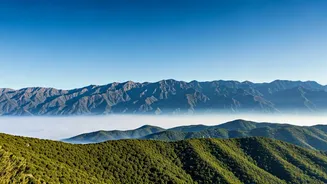
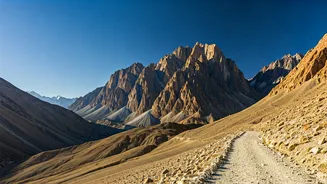
Fortunately, the Himalayas have a secret weapon for monsoon-season travellers: the rain-shadow effect. The towering mountain ranges act as a barrier, blocking moisture-laden clouds from passing over to the other side. While one side of the mountains gets drenched, the other remains remarkably dry, sunny, and accessible. These high-altitude cold deserts do not just offer a refuge from the rain; they provide a completely different, yet equally breathtaking, Himalayan experience. Regions like Ladakh and the Spiti Valley in Himachal Pradesh fall directly in this rain-shadow zone, making them prime destinations for a trip between June and September.
Ladakh: Land of High Passes and Clear Skies
While much of India is navigating downpours, Ladakh blossoms into its peak tourist season. This high-altitude desert receives minimal rainfall, ensuring roads remain open and the weather is pleasant, with comfortable daytime temperatures. This is the ideal time to explore its otherworldly landscapes, from the shimmering blue waters of Pangong Tso to the dramatic dunes of the Nubra Valley. Adventure seekers can tackle some of the world's highest motorable passes, like Khardung La, while spiritual travellers can find peace in ancient monasteries such as Thiksey and Hemis. The main challenge isn't the weather in Ladakh itself but the approach roads from Manali and Srinagar, which can be affected by rain in the lower hills. For a hassle-free trip, flying directly into Leh is often the safest and most reliable option during this period.
Spiti & Lahaul: A World Within a World
Often described as a 'world within a world,' the valleys of Lahaul and Spiti in Himachal Pradesh are another perfect rain-shadow escape. Like Ladakh, they remain largely dry and are characterized by stark, beautiful landscapes, ancient monasteries perched on cliffs, and charming, remote villages. The summer and monsoon months are the best time to visit, as the snow has melted, revealing the raw beauty of the region. You can explore the iconic Key Monastery near Kaza, send a postcard from the world's highest post office in Hikkim, or camp by the stunning Chandratal Lake. While the approach via Manali can be unpredictable, the route from Shimla through Kinnaur is generally considered more stable during the monsoon, offering a thrilling and scenic journey into this captivating land.
Planning Your Safe Himalayan Escape
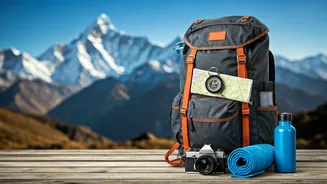
Choosing a dry destination is the first step; smart planning is the next. For any high-altitude trip to regions like Ladakh or Spiti, acclimatization is critical. Plan to spend at least a couple of days at a lower altitude (like Leh or Kaza) before ascending further. Always check the latest road conditions before you travel, especially if you are driving. The Border Roads Organisation (BRO) and local police often provide updates on social media. Pack in layers, as temperatures can fluctuate dramatically between day and night. Even in these dry regions, it's wise to carry rain gear for occasional, unexpected showers. Finally, keep your itinerary flexible. A buffer day or two can be a lifesaver if you encounter unexpected delays, ensuring your mountain adventure remains a joy, not a source of stress.