


Why Indoor Activity Matters
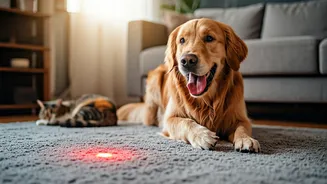
Before we dive into the games, it’s important to understand why keeping your pet engaged indoors is crucial. A daily walk isn't just for toilet breaks; it provides essential physical exercise and mental stimulation. Without this outlet, dogs and cats
can become bored, anxious, and may develop destructive behaviours like chewing furniture, excessive barking, or scratching. A session of focused indoor play helps burn off excess energy, sharpens their mind, prevents behavioural issues, and strengthens the bond between you and your pet. Think of it not as a replacement for a walk, but as a different kind of enrichment.
Master the Art of Food Puzzles
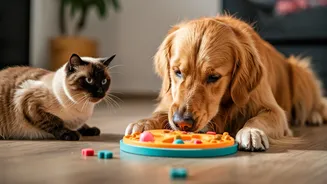
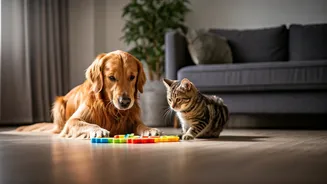
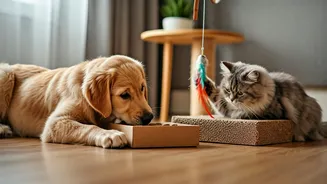
Turn mealtime into a brain game. Instead of just putting their food in a bowl, use a puzzle feeder or a treat-dispensing toy. This forces your pet to think, problem-solve, and work for their food, mimicking their natural foraging instincts. You don't even need to buy anything fancy. A simple DIY version involves hiding kibble inside a cardboard box with some crumpled paper, or using a muffin tin with tennis balls covering the treats in each cup. This mental workout can be just as tiring as a short walk and is perfect for keeping a clever dog or cat occupied.
Create an Indoor Obstacle Course
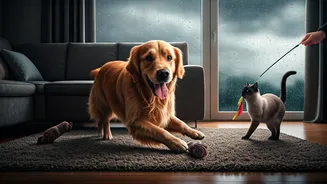
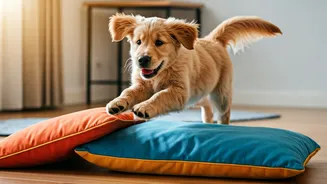
Your living room can become an exciting agility course with a little imagination. Use pillows to create hurdles to jump over, a row of chairs to weave through, and a blanket draped over two stools to make a tunnel. Lure your dog through the course with a favourite toy or a high-value treat. Keep it fun and positive, and don't force them to do anything they’re uncomfortable with. This activity not only provides physical exercise but also builds confidence and focus. For cats, a similar concept with cardboard boxes, paper bags (handles removed), and wand toys can create an exciting play circuit.
Play a Game of 'Find It'
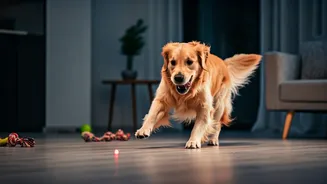
Tap into your dog's incredible sense of smell with a game of 'Find It'. Start by having your dog in a 'stay' position. Let them watch you place a treat a few feet away. Then, give the command 'Find it!' and reward them enthusiastically when they do. As they get better, you can increase the difficulty by hiding treats in another room or under a cup (the classic 'shell game'). This game is low-impact but provides immense mental stimulation, satisfying their natural desire to sniff and search. It's an easy way to keep them engaged for a good 15-20 minutes.
Schedule a Training Session
A rainy day is the perfect opportunity to brush up on old commands or teach a new trick. A focused 10-15 minute training session can be surprisingly tiring for a dog. Work on basics like 'stay', 'come', or 'leave it'. Or, try teaching something fun like 'shake hands', 'roll over', or 'play dead'. Use positive reinforcement with plenty of praise and small treats. This not only engages their brain but also reinforces your role as their leader and strengthens communication. Remember to keep sessions short and sweet to maintain their attention.
Don't Underestimate Simple Pleasures
Sometimes, the simplest things bring the most joy. For cats, a new cardboard box or a crumpled ball of paper can provide hours of entertainment. A game of fetch down a hallway can be a great energy burner for many dogs. You can also engage in a gentle game of tug-of-war (with clear 'start' and 'stop' rules) or simply spend some quality time on grooming. Brushing your pet's coat is a calming activity that reinforces your bond and keeps them looking and feeling great. A relaxed grooming session can be a perfect, low-energy way to connect when you’re both stuck inside.