





The Old Myth of Complete Rest
The traditional thinking after a tough workout was simple: your muscles are tired and damaged, so they need complete rest to heal. This approach, known as passive recovery, involves staying as inactive as possible to allow the body to focus on repair.
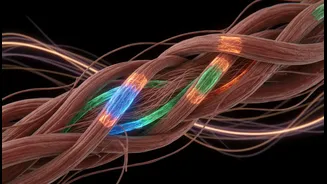
While rest is a crucial component of recovery, collapsing on the sofa for 48 hours isn't the optimal strategy. In fact, total inactivity can sometimes lead to increased stiffness and a prolonged feeling of soreness, as blood flow remains minimal and muscles can tighten up. The pain you often feel a day or two after exercise is called Delayed Onset Muscle Soreness (DOMS), which is caused by microscopic tears in muscle fibres and the resulting inflammation as your body repairs them. Passive rest does little to actively address these symptoms.
The New Standard: Active Recovery
Enter active recovery. This is the practice of performing low-intensity, gentle exercises after a strenuous workout or on a designated rest day. The goal isn't to build more muscle or burn calories, but to stimulate the body's recovery processes without adding further stress. Think of it as a way to keep the engine running at a low hum instead of shutting it off completely. By keeping the body moving, you promote blood flow, which is the cornerstone of efficient muscle repair. This approach has been shown to be more effective than passive rest for reducing the duration and severity of muscle soreness.
The Science of Smarter Repair
The magic of active recovery lies in its physiological effects. Gentle movement significantly increases blood circulation to the muscles you just worked. This enhanced blood flow acts like a delivery service, bringing a fresh supply of oxygen and essential nutrients that are vital for repairing those tiny muscle tears. At the same time, it works as a cleanup crew, helping to flush out metabolic byproducts that accumulate during intense exercise. This process not only speeds up tissue regeneration but also helps reduce inflammation and the perception of soreness. Furthermore, light mobility work keeps joints lubricated and can prevent the stiffness that often accompanies DOMS.
What Light Mobility Looks Like
Active recovery should feel easy and restorative, not like another workout. The intensity should be low enough that you can comfortably hold a conversation. Some of the best options include: Walking or Light Jogging: A simple 20-30 minute walk or a very slow jog is one of the most accessible forms of active recovery. Gentle Cycling: Hopping on a stationary bike at a low resistance helps get blood flowing through the legs without impact. Swimming: The buoyancy of water makes swimming an excellent, no-impact option that gently moves your entire body. Dynamic Stretching: Unlike static holds, dynamic stretches involve gentle, controlled movements through a full range of motion. Think of arm circles, leg swings, or torso twists. Yoga: A gentle yoga or flow session can help reduce stiffness and improve mobility. Foam Rolling: While technically a form of self-massage, foam rolling increases blood flow and can help release tight spots in muscles, reducing soreness.
Putting It Into Practice
Incorporating active recovery into your routine is simple. You can use it as a dedicated cool-down for 10-15 minutes immediately following a tough workout. Alternatively, you can schedule longer, 20-40 minute active recovery sessions on your rest days. The key is to listen to your body. If an activity causes pain rather than relieving stiffness, it's too intense. The aim is to feel better and more mobile after the session, not more tired. If you're experiencing extreme soreness that lasts more than 72 hours, it might be a sign of overtraining or injury, and true rest may be needed.