





Decoding the Latest Dialogue
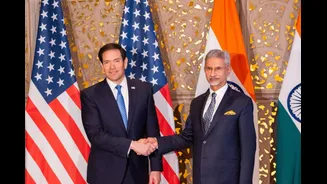
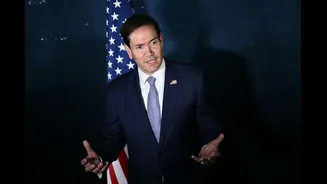
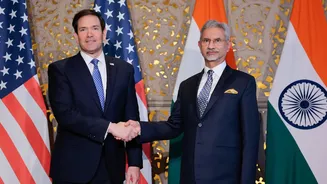
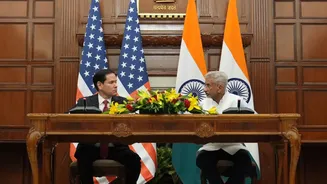
On October 20, 2026, US Secretary of State Marco Rubio met with India's External Affairs Minister S. Jaishankar in Mumbai, confirming that the two nations are very close to finalising a comprehensive trade agreement. While the fine print is not yet public,
comments from both sides indicate that a 'small number of items' are left to be resolved before an agreement can be signed. This engagement builds on a framework established in early 2026, which aimed to reduce high US tariffs on Indian goods. The ongoing talks focus on expanding cooperation in defence, energy, and, critically, technology and trade, with the shared goal of strengthening the bilateral economic relationship.
The Push for Supply Chain Resilience
A central theme of the recent US-India engagement is the strategic imperative to create resilient and diversified supply chains, particularly for critical technologies like electronics and semiconductors. For years, Washington has been vocal about 'de-risking' from an over-reliance on China. India is increasingly viewed as a key partner in this global realignment. By collaborating, the US and India aim to build a secure technology ecosystem that is less vulnerable to geopolitical shocks. This involves not just shifting final assembly but also developing a deeper component manufacturing base in India, a move supported by initiatives like the India Semiconductor Mission and the US CHIPS Act's international funds.
Opportunities for Component Importers
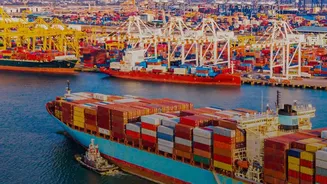
For Indian electronic component importers, this strategic alignment presents a complex but promising picture. The immediate signal is a potential stabilisation and reduction of tariffs, which have been a point of friction. A formal trade deal would provide much-needed policy certainty, encouraging long-term investment. More importantly, the push for India to become a global electronics manufacturing hub means that local demand for components is set to soar. Importers who can secure reliable supply lines for advanced components—especially those not yet widely manufactured in India—will be crucial to this expansion. The engagement also hints at smoother pathways for customs, trade facilitation, and conformity assessments, which could reduce logistical headaches and costs for importers.
Navigating the New Landscape
While the opportunities are significant, importers must also navigate potential challenges. The emphasis on a 'trusted' supply chain could mean greater scrutiny on the origin of components. Importers heavily reliant on sources that the US considers high-risk may need to diversify their supplier base. Furthermore, the US-India partnership aims to boost domestic Indian production, not just assembly. This will increase competition as local component manufacturing scales up. In the short term, importers might face pressure to source from specific partner countries, potentially altering established and cost-effective supply routes. The key will be agility—the ability to adapt sourcing strategies to align with the new geopolitical and economic realities being shaped by this bilateral partnership.