

More Than Just Water
We often think of hydration as a simple equation: drink eight glasses of water and you're set. However, in the oppressive humidity that follows the monsoon, the body's needs change. True hydration isn't just about the volume of fluid you consume, but
how effectively your body absorbs and holds onto it. This is where electrolytes come in. These essential minerals—like potassium, sodium, and magnesium—carry an electrical charge and play a vital role in maintaining fluid balance inside and outside our cells. When we sweat, we don't just lose water; we lose these critical electrolytes, which can lead to fatigue, muscle cramps, and that persistent feeling of being drained.
The Challenge of High Humidity
During humid periods, the air is already saturated with moisture. This severely hampers your body's primary cooling mechanism: the evaporation of sweat. Your body continues to produce sweat in an attempt to cool down, but it just clings to the skin instead of evaporating. The result is excessive fluid and electrolyte loss without the cooling benefit. This can lead to a state of dehydration even when you don't feel particularly thirsty, as your body's internal temperature regulation system works overtime. Simply replenishing with plain water can sometimes dilute the remaining electrolytes in your system, which is why sourcing them from food is so effective.
Cucumber: The Ultimate Cooler
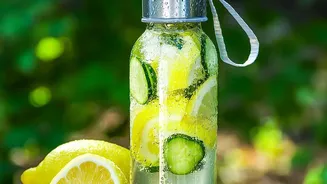
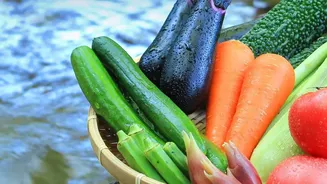
With a water content of about 95%, cucumber is a quintessential hydrating food. But its benefits go beyond its wateriness. Cucumbers are a good source of potassium and magnesium, two key electrolytes that help regulate fluid balance and muscle function. The combination of high water content and essential minerals makes cucumber incredibly effective at replenishing what you lose through sweat. Adding slices to your water, blending it into a raita, or simply eating it with a sprinkle of salt can provide a refreshing and functional hydration boost. Its cooling properties are an added bonus on a hot and sticky day.
Watermelon and Coconut: Tropical Hydrators
It's no surprise that watermelon, at 92% water, is a hydration superstar. It is also a fantastic natural source of potassium. Furthermore, it contains an amino acid called L-citrulline, which may help improve blood flow and athletic performance. Coconut water is often called 'nature's sports drink' for a reason. It is exceptionally rich in electrolytes, particularly potassium, and contains a small amount of natural sugars that can help with fluid absorption, making it more effective than plain water in some situations. It's an excellent choice for rehydrating after spending time outdoors in the humid weather.
Don't Forget Your Greens and Tomatoes
Leafy greens might not be the first thing you think of for hydration, but vegetables like spinach and lettuce have a very high water content. Spinach, for example, is also packed with potassium and magnesium. Tomatoes, which are technically a fruit, are composed of about 94-95% water. They are also an excellent source of potassium and the antioxidant lycopene, which helps protect cells from damage. A simple kachumber salad combining tomatoes, cucumbers, and onions can be a delicious and incredibly effective way to replenish fluids and minerals.
Citrus Fruits and Bananas
Oranges, sweet limes (mosambi), and lemons are not only hydrating but also rich in potassium and Vitamin C. While Vitamin C is not an electrolyte, it's a vital antioxidant that supports overall cellular health, which is crucial for every bodily function, including hydration. Bananas are famous for their high potassium content, making them a go-to for athletes preventing muscle cramps. This same property makes them excellent for restoring electrolyte balance lost through excessive sweating during humid days. Pairing a banana with a glass of water is a simple and powerful rehydration strategy.