






From Dreary to Delicious
For decades, the Indian airport dining experience was a culinary compromise. Travellers faced a grim choice between a generic, cellophane-wrapped sandwich, a packet of chips, and perhaps a lukewarm samosa. It was food as fuel, devoid of joy, flavour,
or a sense of place. Dining before a flight felt like a chore, a necessary evil in the purgatory of transit. Premium lounges offered more of the same, just with better seating. The food was often a bland, pan-continental buffet that tried to please everyone and excited no one. But in the last few years, a dramatic shift has occurred. As Indian airports transformed into world-class transit hubs, so did their food offerings. The discerning Indian traveller, well-versed in global trends but fiercely proud of local heritage, began demanding more. They wanted food that was not just convenient, but comforting, authentic, and genuinely delicious.
The Rise of the Bowl
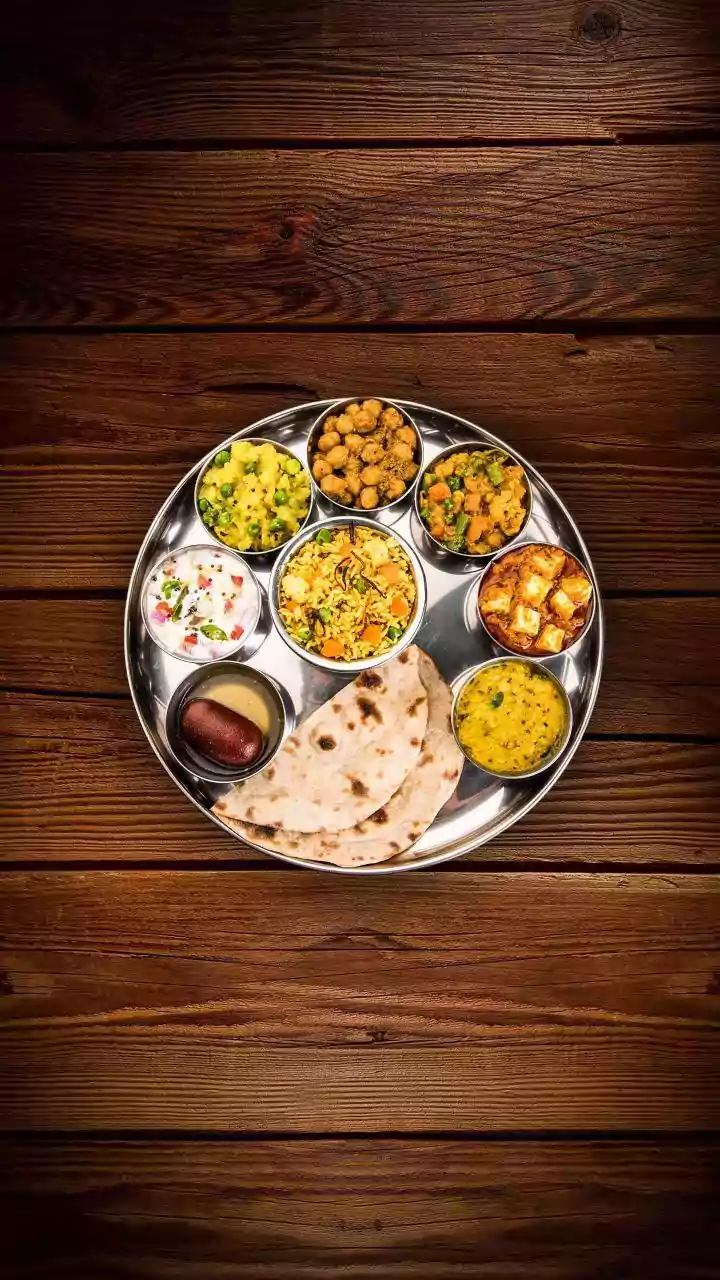
Enter the humble bowl. A simple, elegant solution to the challenges of travel dining. A meal in a bowl is self-contained, easy to eat while perched on a stool or juggling luggage, and offers a complete, balanced nutritional experience. It’s no surprise that ‘bowl food’ has become a global phenomenon, but its application in the Indian context has been particularly inspired. Airport food and beverage operators realised that the format was a perfect vehicle for the rich, gravy-based dishes that form the heart of Indian regional cuisine. A bowl can comfortably hold a portion of rice or a grain, a flavourful curry, a vegetable side, and a garnish, all neatly packed together. It provides the satisfaction of a thali with the convenience of a single, easy-to-handle dish. This format paved the way for regional Indian cuisines, once deemed too complex for fast-paced airport settings, to take centre stage.
A Taste of God's Own Country
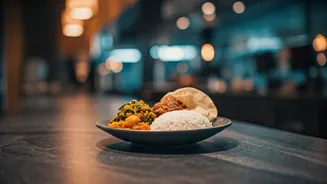
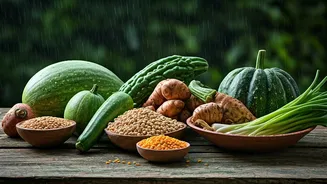
Among the many regional cuisines making their way onto these menus, Keralan food has emerged as a frontrunner. Its appeal is multi-faceted. The cuisine is renowned for its sophisticated use of spices, from the warmth of black pepper and cardamom to the fresh aroma of curry leaves, all harmonised by the creamy sweetness of coconut. Dishes like a fragrant *Meen Moilee* (fish in a gentle coconut curry), a hearty *Kadala Curry* (black chickpeas), or a vibrant, mixed-vegetable *Avial* are quintessential comfort food. They are flavourful without being overwhelmingly heavy, making them ideal for pre-flight consumption. Served over a bed of fluffy Matta rice or with a soft *appam* on the side, these dishes transform into wholesome, satisfying meals that feel both nourishing and indulgent—a far cry from the sad sandwiches of yesteryear. The cuisine’s reliance on fresh ingredients and healthy cooking techniques also aligns perfectly with modern wellness trends.
A Smart Business Move
For airport concessionaires like Travel Food Services (TFS), which operates in major hubs like Mumbai and Delhi, this is not just about good food; it's smart business. They’ve recognised that the modern Indian traveller is no longer impressed by tired international fare. Instead, they crave authenticity and a taste of home, even when they're away from it. Offering high-quality regional cuisine provides a unique selling proposition. It gives travellers a ‘sense of place’ and turns a mundane layover into a memorable culinary experience. By curating menus that feature Keralan bowls alongside other regional specialities, these diners are catering to a more confident and curious Indian palate. It demonstrates a deep understanding of the market: the new luxury isn't a generic imitation of the West, but a confident celebration of India's own diverse heritage.
A Sign of the Times
The appearance of a Keralan food bowl on a premium airport menu is more than just a passing trend. It’s a delicious indicator of a broader cultural shift. It signifies the mainstreaming of regional Indian cuisines and the erosion of a monolithic idea of ‘Indian food’ that was often limited to North Indian Mughlai dishes. For years, regional home-style cooking was considered too simple or specific for a commercial, premium setting. Now, it is being celebrated for its authenticity, complexity, and comfort. This trend reflects a new India, one that is increasingly looking inward to find and celebrate the richness of its own cultural tapestry. The humble bowl of curry in an airport lounge is, in its own small way, a proclamation of culinary confidence and regional pride.