





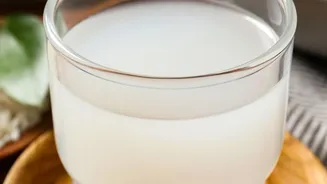
1. A Gentle Nutrient Boost
Rice water is not a replacement for a balanced fertiliser, but it does act as a beneficial supplement. The milky liquid contains trace amounts of essential macronutrients—nitrogen, phosphorus, and potassium (NPK)—that are vital for plant functions. Nitrogen
supports leafy growth, phosphorus is crucial for strong root and flower development, and potassium helps regulate a plant's water and nutrient movement. It also contains B vitamins, like thiamine and niacin, which can promote healthier root systems and overall plant vitality. This makes it a mild, low-risk way to give your plants a little extra nourishment without the danger of fertiliser burn associated with stronger chemical products.
2. Enhances Soil Health
One of the most significant benefits of using rice water happens at the microbial level. The starch in the water serves as a food source for beneficial bacteria and microorganisms, such as lactobacilli and mycorrhizae, that live in the soil. A thriving population of these microbes helps to break down organic matter more efficiently, which in turn makes nutrients more available for your plants to absorb. Over time, this enhanced microbial activity can improve the soil's structure and texture. Some gardeners have noted that this process can even encourage earthworm activity, further enriching the soil naturally.
3. Strengthens Root Development and Growth
Studies and anecdotal evidence from gardeners suggest that plants treated with rice water can show more vigorous growth compared to those given only tap water. A 2022 study found that some plants watered with fresh rice water grew approximately 20% more. This growth is often linked to stronger root systems. The nutrients and growth-promoting compounds in rice water, particularly in its fermented form, can stimulate root development. A healthier, more extensive root network allows the plant to absorb water and nutrients more effectively, leading to taller plants, larger leaves, and a more robust overall structure.
4. Cost-Effective and Sustainable
In a time when many are looking for ways to reduce waste and garden more sustainably, using rice water is an obvious win. It’s a byproduct of cooking that most households produce regularly, making it a completely free resource. By repurposing this water, you are not only saving it from going down the drain but also reducing your reliance on commercially produced fertilisers. This practice is environmentally friendly and a perfect example of a circular kitchen-to-garden economy, turning everyday waste into a valuable resource for your plants.
5. A Mild, Natural Pest Deterrent
While not a powerful insecticide, fermented rice water may offer some mild pest control benefits. The fermentation process encourages the growth of certain beneficial fungi in the soil. One of these, Metarhizium anisopliae, is a known biological control agent that can help suppress common garden pests like aphids, thrips, and whiteflies. Therefore, by improving the overall health of the soil ecosystem, you are indirectly making your plants more resilient to pests. However, it's important to use it in moderation, as an excess of starch on the soil surface can sometimes attract other pests like gnats.
How to Use Rice Water Correctly
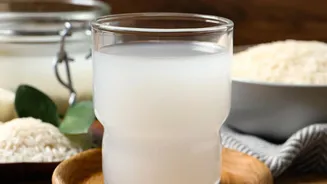
To get the benefits without the potential downsides, follow a few simple guidelines. The easiest method is to use the water from rinsing uncooked rice—just be sure the rice is unsalted. This 'fresh' rice water can be used directly on your plants once every week or two instead of a regular watering. For a more potent version, you can ferment the rice water. Simply leave the cloudy rinse water in a loosely covered jar at room temperature for two to three days. When it develops a slightly sour smell, it's ready. Always dilute fermented rice water, typically with at least an equal part of plain water, before applying it to your plants to avoid making the soil too acidic or creating a starchy crust. Avoid using it on succulents and cacti, which prefer drier conditions.