





The Hidden Dangers of a Damp Coat
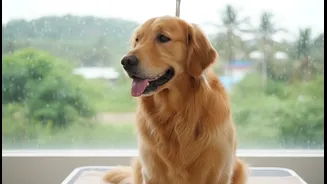
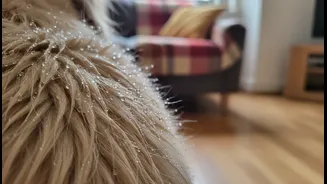
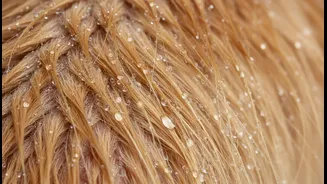
High humidity and a rain-soaked coat create a perfect storm for your dog's skin. Trapped moisture, especially in dogs with thick or double coats, creates a warm, damp environment that becomes a breeding ground for bacteria and yeast. This can lead to a host
of uncomfortable and sometimes painful conditions. One of the most common issues is acute moist dermatitis, also known as 'hot spots'. These are red, inflamed, and painful lesions that can appear suddenly and spread quickly. Fungal and yeast infections, particularly from Malessezia, are also rampant in wet weather, causing itchiness, a musty odour, and discoloured, greasy skin, especially between the toes and in skin folds.
Are Raincoats Actually Helping?
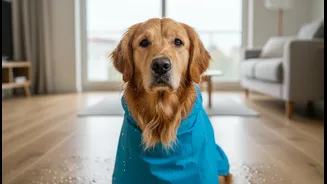
A well-fitting raincoat can certainly be a helpful tool. It reduces the amount of water soaking into your dog’s main coat, keeping their back and core drier. This is particularly beneficial for short-haired breeds, senior dogs, or those with low body fat who get cold easily. However, raincoats are not a complete solution. They don't cover the underbelly, legs, or paws, which often get the wettest from splashing through puddles and damp grass. In fact, if a dog is already damp, putting a raincoat on can trap that moisture against the skin, potentially making things worse. Think of it as a first line of defence, not the entire strategy.
The Most Important Step: A Thorough Dry-Off
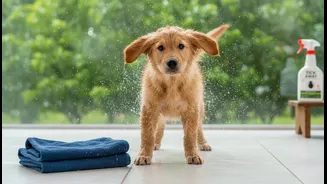
This is the non-negotiable part of any rainy-day routine. As soon as you are back indoors, your priority should be to dry your dog completely. Start with a highly absorbent towel, like a microfiber one, and blot the fur rather than rubbing it vigorously, which can cause tangles. Pay special attention to areas that trap moisture: the paws (especially between the toes), armpits, groin, and under the collar. For dogs with long or thick fur, a towel alone won't suffice. A pet-specific blow dryer on a low-heat, low-speed setting is the best way to ensure the undercoat is fully dry.
Your Monsoon Skincare Toolkit
Beyond drying, a few consistent practices will fortify your dog's skin against infection. Daily brushing is essential during the rainy season. It removes dirt, prevents mats that trap moisture, and helps air circulate through the coat. Regularly check their paws, ears, and any skin folds for signs of redness, swelling, or unusual smells. Wiping your dog's paws after every walk, even on non-rainy but humid days, removes fungal spores and allergens from the ground. For dogs prone to infections, your vet may recommend using a medicated or antifungal shampoo or powder as a preventive measure.
Building Resilience From the Inside Out
A healthy coat and skin start with a good diet. Ensuring your dog's food is rich in omega-3 and omega-6 fatty acids can help strengthen the skin barrier, making it more resilient to environmental irritants. Proper nutrition supports overall health, which in turn helps the body fight off the opportunistic bacteria and fungi that thrive in damp conditions. Always ensure fresh, clean drinking water is available, as hydration is also key to skin health. Contaminated puddle water can cause gastrointestinal issues, further stressing your pet's system.