





Shedding an Outdated Stigma
For decades, dining alone in public was shrouded in a social stigma, particularly in a community-centric culture like India’s where meals are traditionally shared events. The sight of a person eating by themselves often conjured images of loneliness or being
stood up. This fear even has a name: solomangarephobia, the anxiety associated with eating alone in public. People worried that they would be judged as friendless or isolated. This perception, however, is increasingly being challenged as a relic of the past. Psychology suggests that being comfortable spending time alone is often a sign of self-confidence and emotional well-being, not social isolation. What was once seen as a mark of loneliness is now being reframed as a statement of empowerment and independence.
The Rise of Intentional Solitude
So, what’s driving this shift? A major factor is the changing lifestyles and values of younger generations. Millennials and Gen Z, in particular, are embracing concepts of self-care, personal time, and individualism. For them, dining alone isn't about a lack of company; it's a conscious choice. It’s an opportunity for a mindful escape from a hyper-connected world, a moment to recharge, reflect, and simply be present. The flexibility of remote work also plays a role, allowing professionals to carve out pockets of solitude during the day. This quest for 'me-time' is not just a passing fad; it signals a deeper cultural move towards valuing personal experience and autonomy. Choosing to dine solo is an act of agency—you decide the place, the cuisine, and the pace, without compromise or consensus.
A More Mindful Culinary Experience
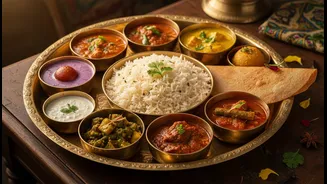
Without the distraction of conversation, the solo diner is free to embark on a more immersive culinary journey. You can focus entirely on the food—its flavours, textures, and presentation—and the restaurant's ambiance. Many chefs and restaurateurs note that solo diners often have the most engaged experiences, arriving curious and fully present. This mindful approach not only enhances the enjoyment of the meal but can also be a form of mental relaxation and stress reduction. It's a chance to savour each bite and appreciate the moment, turning a simple meal into a restorative ritual. This intentional enjoyment is a far cry from the sad desk lunch; it's about treating oneself with the same importance you would a dinner companion.
The Smart Business of Welcoming One
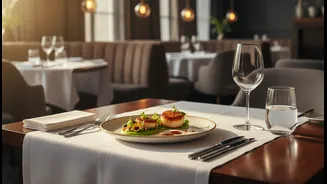
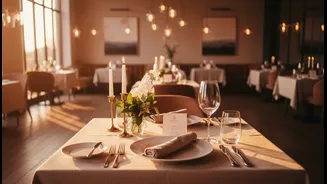
The restaurant industry is waking up to the economic power of the solo diner. Once seen as an inefficient use of a table, smart establishments now recognise them as a valuable and reliable revenue stream. Studies show that solo diners often spend more per person than individuals in groups and can turn tables faster, which is a significant advantage during peak hours. In response, restaurants in Indian metros like Mumbai, Delhi, and Bengaluru are redesigning their spaces. We're seeing a rise in comfortable bar seating, intimate single-person nooks, communal tables, and chef's counters that make dining alone feel inclusive, not isolating. Some are even offering special tasting menus or smaller portion sizes specifically for single patrons, acknowledging that a party of one deserves a complete and thoughtful experience.