






The excitement of a road trip often starts with a hearty meal. But dietitians suggest that grabbing a creamy pasta or rich curry before you hit the road might be a recipe for discomfort, turning your journey into a sluggish, bloated affair.
Why Your Pre-Trip Meal Matters
A long car
journey means spending hours in a seated, relatively still position. This lack of movement has a significant impact on your digestive system. When you're sedentary, your gut motility—the muscular contractions that move food through your digestive tract—naturally slows down. Sitting for prolonged periods also compresses your abdomen, which can further impede digestion, trap gas, and lead to uncomfortable bloating and cramping. Starting this journey with a stomach full of heavy, rich food places an extra burden on a system that's already working at a reduced pace, setting you up for discomfort just as you’re settling in for the long haul.
The Comfort-Killer Culprits
Dietitians and health experts point to a few key types of food that are best avoided before a long drive. Greasy, fried, and fatty foods, like burgers, chips, or rich pakoras, are notoriously hard to digest and can leave you feeling heavy. Similarly, creamy dishes such as fettuccine alfredo, rich curries, and dairy-heavy meals take longer for the body to process and can cause sluggishness. These foods can trigger what's known as a 'food coma' or post-meal sleepiness. Studies have shown that heavy meals, particularly those high in fat and carbohydrates, can increase feelings of sleepiness and even impair driving performance by reducing concentration. The body diverts energy to the gut to handle the difficult digestive task, leaving you feeling lethargic and far from alert.
The Sugar Crash and Hydration Trap
It’s not just fatty foods that pose a problem. Sugary snacks and drinks might seem like a good source of quick energy, but they cause a rapid spike in blood sugar followed by a sharp crash. This crash can leave you feeling tired, foggy, and irritable—not ideal for a driver or a passenger. Caffeinated and sugary drinks like sodas and energy drinks also act as diuretics, increasing the need for bathroom stops and potentially leading to dehydration. Proper hydration is key for maintaining energy and concentration, but your best bet is plain water. Staying hydrated helps prevent headaches and fatigue associated with long hours in a climate-controlled car.
Smarter Fuel for the Road Ahead
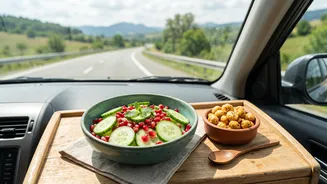
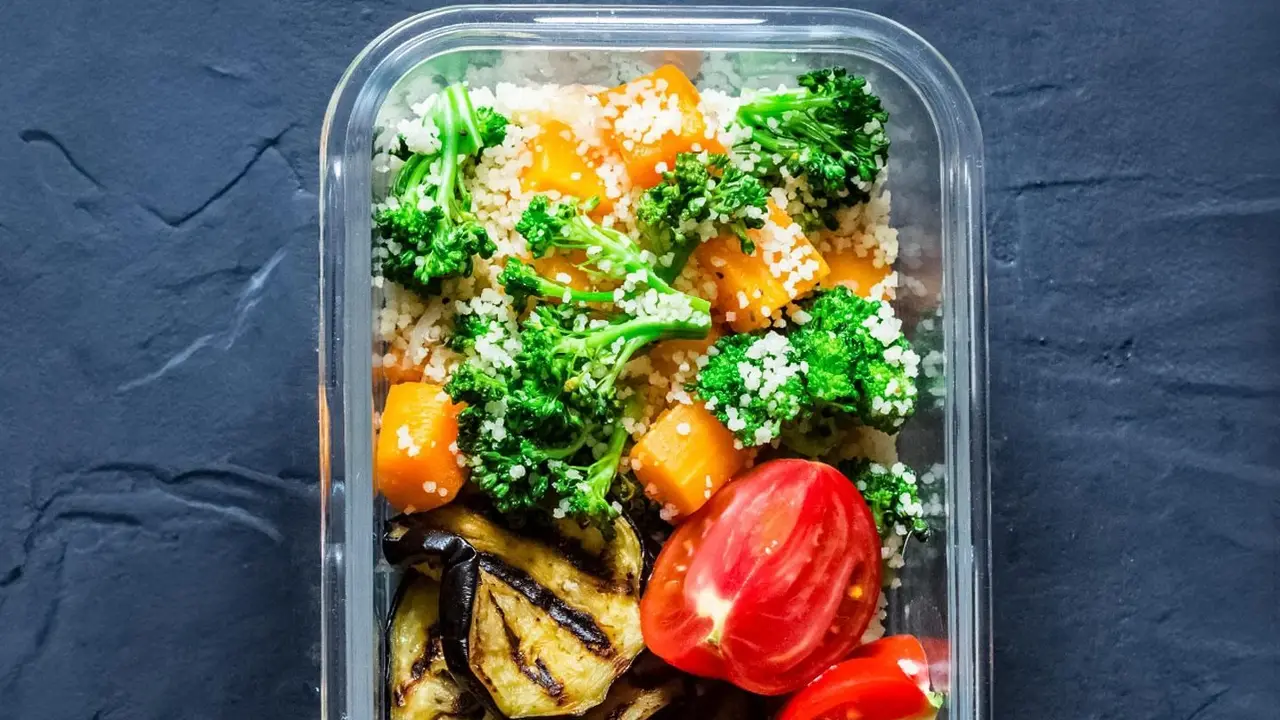
So, what should you eat? The consensus is to opt for a light, balanced meal before you leave. Aim for a combination of lean protein, complex carbohydrates, and healthy fats, which provide sustained energy without the crash. Good options include a grilled chicken salad, a whole-wheat sandwich with turkey, or a bowl of yogurt with fruit and a sprinkle of nuts. These meals are easier on the digestive system and help keep your blood sugar stable, ensuring you remain alert and focused on the road. If you're packing snacks, think along the same lines: apples, nuts, string cheese, and whole-grain crackers are all excellent choices that are easy to eat on the go and won't weigh you down.