


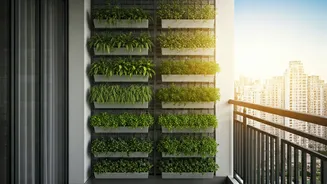
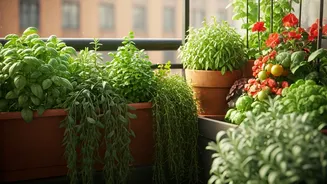


A Breath of Fresh Air
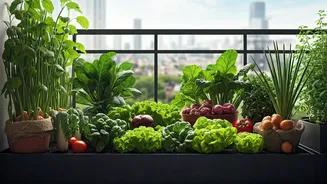
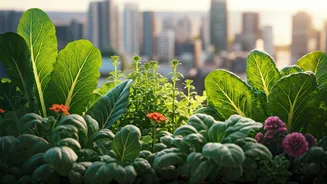
In the urban sprawl of cities like Mumbai, Delhi, and Bengaluru, our personal space is often limited to a few square feet of balcony. Yet, this small patch holds immense potential. Balcony farming is about more than just aesthetics; it's a powerful tool
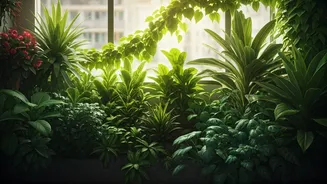
for well-being. The simple act of nurturing a plant, watching it grow, and being surrounded by greenery has proven benefits for mental health. It reduces stress, lowers anxiety, and provides a much-needed screen break. Plants also act as natural, albeit small-scale, air purifiers, filtering pollutants and releasing oxygen right outside your window. In a world of notifications and deadlines, your balcony garden becomes a sanctuary—a place to reconnect with nature’s simple, steady rhythm.
Your Hyper-Local Kitchen Garden
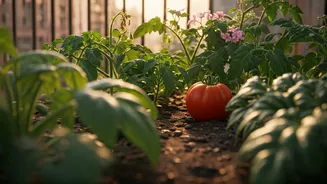
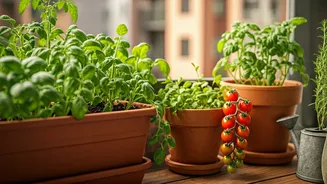
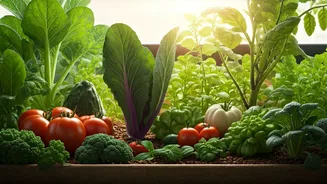
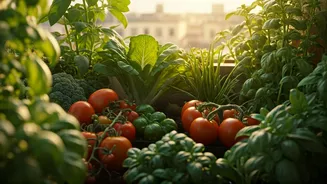
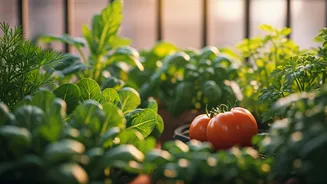
Imagine snipping fresh coriander for your dal or plucking a ripe cherry tomato for your salad, straight from your own balcony. Balcony farming brings the 'farm-to-table' concept to its most literal conclusion. Growing your own herbs and vegetables ensures they are free from harmful pesticides and are as fresh as possible, retaining maximum flavour and nutrients. It also dramatically reduces your carbon footprint by cutting down on 'food miles'—the distance your food travels from farm to plate. Even a small garden can yield a surprising amount of produce. Start with basics like herbs, and you'll immediately notice the difference in your cooking and your grocery bills.
What You Need to Get Started
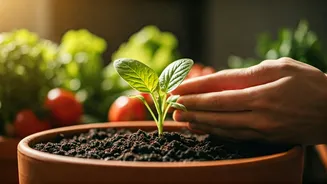
Starting your balcony farm is easier and more affordable than you might think. You don't need a huge space or expensive equipment. Here’s a basic checklist: * **Containers:** Anything from traditional terracotta pots and grow bags to repurposed plastic bottles or old paint buckets can work. Just ensure they have drainage holes at the bottom. * **Soil:** A good potting mix is crucial. Look for a mixture of red soil (laal mitti), cocopeat (nariyal ka bhura), and compost (like vermicompost). This provides nutrients, retains moisture, and ensures good drainage. * **Seeds or Saplings:** For beginners, starting with saplings from a local nursery is often easier. If you're feeling adventurous, high-quality seeds are readily available online or at garden stores. * **Basic Tools:** A small hand trowel (khurpi), a watering can or spray bottle, and a pair of gardening gloves are all you really need to begin.
Easy Plants for Indian Balconies
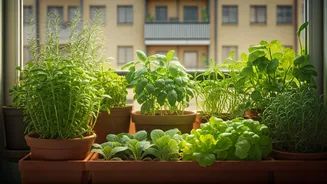
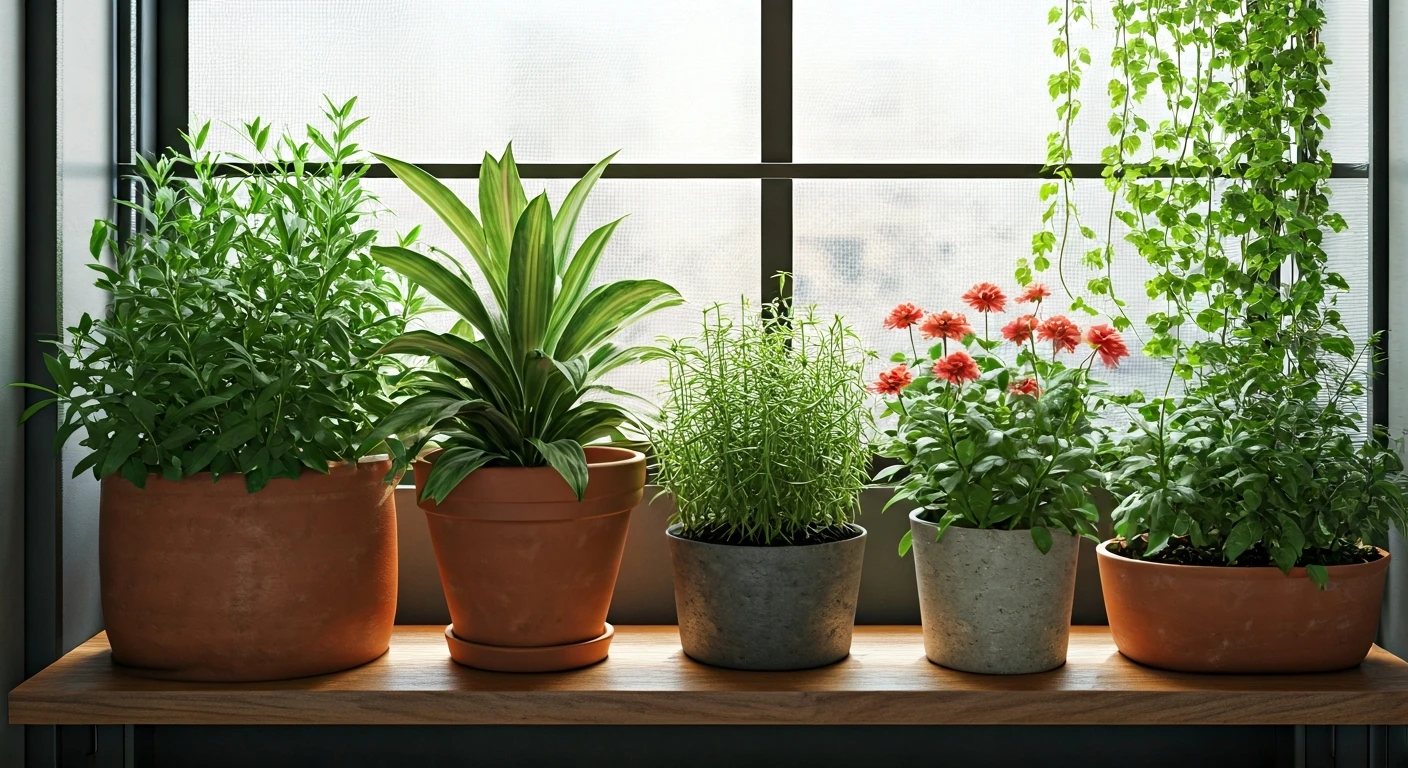
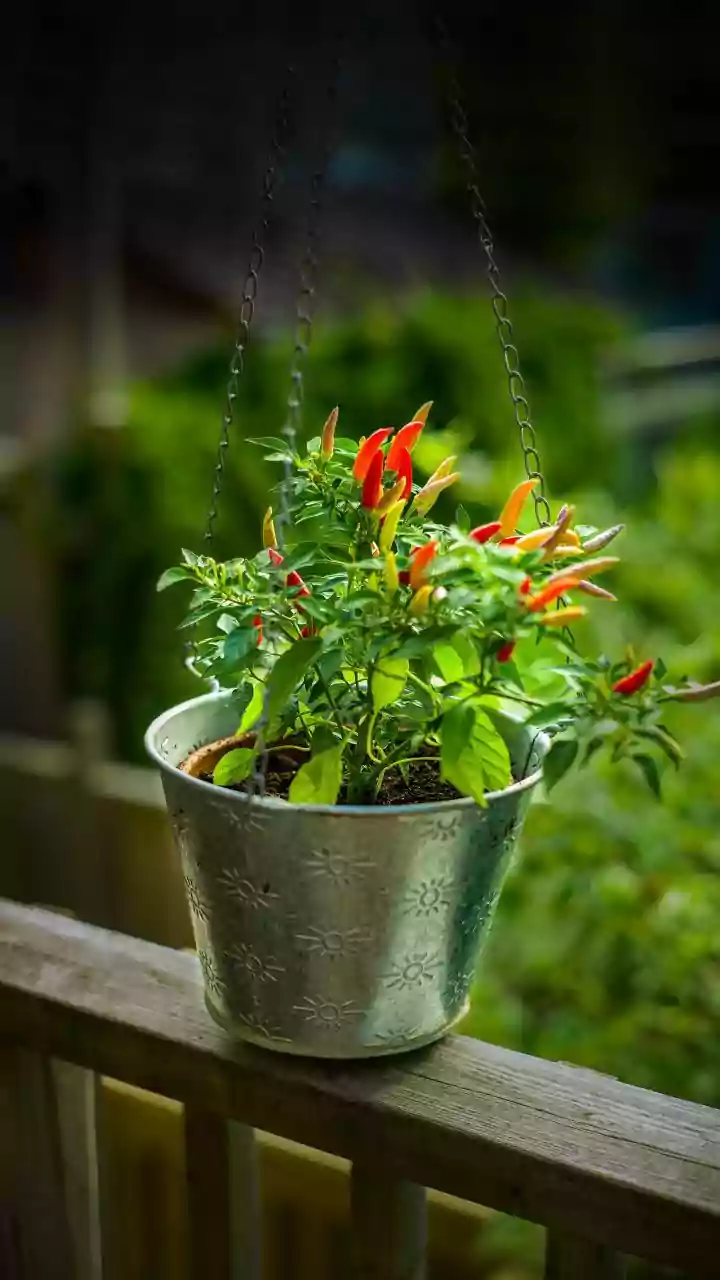
The key to a successful balcony garden is choosing plants that suit your climate and the amount of sunlight your balcony receives. Here are some hardy champions perfect for Indian conditions: * **Herbs:** Mint (pudina), Holy Basil (tulsi), coriander (dhania), and lemongrass are incredibly easy to grow and are used daily in Indian kitchens. They thrive in pots and don't require much space. * **Vegetables:** Start with cherry tomatoes, chillies (mirch), and brinjal (baingan). Leafy greens like spinach (palak) and fenugreek (methi) also grow quickly and can be harvested multiple times. * **Flowers:** Don't forget flowering plants like marigolds (genda), which are not only beautiful but also act as natural pest repellents. Hibiscus and bougainvillea can add a vibrant splash of colour if you have a bit more space and sunlight.
Caring for Your Green Corner
A little care goes a long way. Check the soil’s moisture daily by poking your finger an inch deep; if it feels dry, it's time to water. Most vegetables and herbs need at least 4-6 hours of direct sunlight, so place them accordingly. To deal with common pests like aphids, skip the chemical sprays. A simple solution of neem oil mixed with water and a few drops of liquid soap is a highly effective organic pesticide. Regularly remove any dead leaves and add compost every few weeks to keep your soil rich and your plants happy.