








The Iconic Jamun
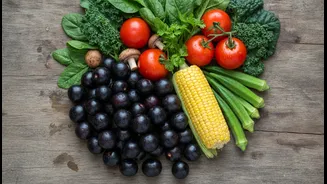
The deep purple Jamun, or black plum, is a quintessential monsoon fruit in India. Its arrival signals the peak of the rainy season. Jamun is celebrated for its ability to support overall health during this time. It is low in calories but rich in vital
nutrients like iron, potassium, and vitamins A and C. This nutrient profile helps boost immunity and increase haemoglobin levels, which can improve energy on gloomy days. Its antibacterial and digestive properties can help manage common monsoon ailments like indigestion and gas. With antioxidants that also promote healthy skin, Jamun is a true seasonal superstar.
The Humble Pear
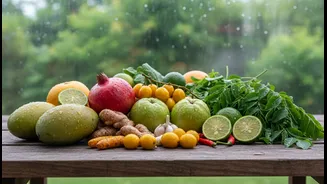
Known as Nashpati in India, the pear is a wonderfully hydrating and fibre-rich fruit to enjoy during the monsoon. Its high water content helps keep you hydrated in the humid weather, while its significant dietary fibre, particularly pectin, aids digestion and prevents issues like constipation and bloating. Pears are also a great source of Vitamin C, a crucial nutrient for strengthening the immune system and fighting off the common infections that circulate during the rains. Its anti-inflammatory properties can be beneficial for respiratory health, which is often challenged during this season.
The Juicy Plum
Plums, also known as Aloo Bukhara, are another gem of the monsoon season. These sweet and tangy fruits are packed with Vitamin C, which helps bolster the body's resistance against infections like the common cold and flu. Plums are also an excellent source of dietary fibre, which promotes a healthy digestive system and can aid in weight management by helping you feel full. With a high water content, they contribute to hydration, while the antioxidants they contain help protect the body's cells from damage.
The Refreshing Litchi
Arriving at the beginning of the monsoon, litchis are loved for their sweet, juicy flesh. They are an excellent source of Vitamin C, which is vital for a strong immune system. The fibre in litchi aids with digestion and can help with acidity. Furthermore, its high water content makes it an ideal fruit for staying hydrated in the sticky, humid weather. The antioxidants present in litchis also contribute to skin health, helping to keep it clear during a season known for skin troubles.
The Vibrant Peach
Soft, fragrant, and juicy, the peach (Aadoo) is a nutritional powerhouse available during the monsoon. It is loaded with Vitamins A and C, which are essential for maintaining a strong immune system and promoting healthy skin, which can be affected by the high humidity. As a fruit with high water content, it’s great for hydration. Its fibre content supports good digestion and helps prevent constipation, making it a valuable addition to your rainy-day diet.
The Bright Cherry
While often associated with cooler climates, cherries make their appearance in parts of India during the early monsoon months. These small, vibrant fruits are rich in antioxidants and anti-inflammatory compounds. This can be particularly helpful during the monsoon when humidity can worsen joint pain. Cherries are also a natural source of melatonin, a hormone that can help regulate sleep cycles, which are sometimes disrupted by the changing weather. Their potassium content also supports heart health.