






The Rise of the ‘Instagrammable’ Dish
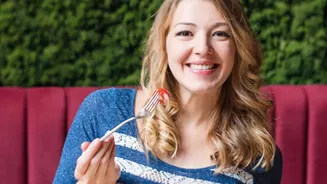
Before you ever take a bite, you eat with your eyes. It’s a simple truth that social media has turned into a billion-dollar business strategy. Platforms like Instagram and TikTok have transformed diners into an army of amateur food photographers and marketers,
and restaurants are paying close attention. The modern dining experience often begins not at the table, but on a screen, as potential customers scroll through feeds to decide where to eat. Studies show that a significant number of diners, particularly millennials and Gen Z, choose where to eat based on a restaurant's social media presence. A single viral image of a spectacular dish can translate into a line around the block, offering a powerful—and free—marketing tool for establishments with small advertising budgets. This has given rise to a new culinary goal: creating dishes engineered to stop the scroll.
Engineering for the Camera
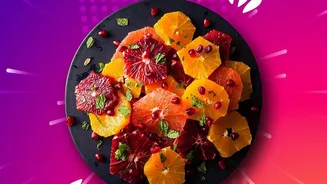
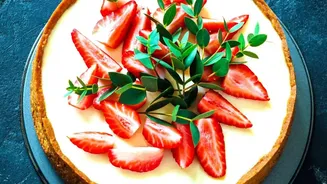
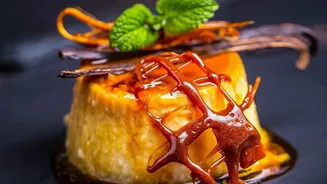
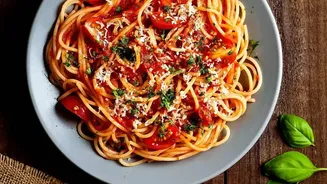
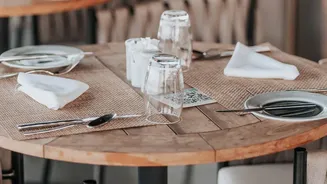
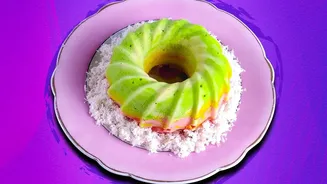
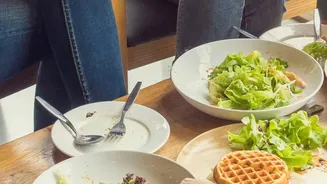
What makes a dish photogenic? It’s a science and an art. Chefs and restaurant designers now consider elements like vibrant colour, height, and novelty as crucial ingredients. Think of rainbow-coloured bagels, black charcoal ice cream, or drinks topped with clouds of cotton candy. Interactive elements are also key; a 'cheese pull' on a pizza, a sauce being poured tableside, or a chocolate dome that melts to reveal a dessert are all designed for the perfect video clip. The strategy extends beyond the plate. Restaurant interiors are increasingly designed with Instagram in mind, featuring bright lighting, unique tile patterns, plant-filled walls, and neon signs that serve as the perfect photo backdrop. Even the tableware is chosen to make the food 'pop' on camera, ensuring every element of the dining experience is optimised for a potential post.
The Chef’s Dilemma
While restaurant owners may celebrate the free publicity, the pressure to be camera-ready has created a quiet tension in the kitchen. For many chefs, who have dedicated their lives to mastering flavour, texture, and technique, the demand to create food that is primarily a visual spectacle can be frustrating. Some have embraced it as a new creative challenge, but others resent the shift in priorities. The fear is that the culinary arts are being demoted, with the meal becoming a 'performance object' first and a source of nourishment second. This tension highlights a fundamental conflict between traditional culinary values and the new demands of a digitally driven market. The question for many chefs is no longer just 'is it delicious?' but 'how will it look online?'.
When Visuals Fall Flat
For a while, the strategy of prioritising aesthetics seemed foolproof. However, the tide may be turning. Diners have become more media-savvy and are growing tired of style over substance. Review platforms are filled with comments from customers who were lured in by a stunning photo, only to be disappointed by a dish that was overpriced, underwhelming in flavour, or simply impractical to eat. The 'Instagram vs. Reality' phenomenon is a real risk for restaurants. When a dish in person looks smaller or less impressive than its perfectly styled online photo, it can erode trust and lead to negative reviews, which spread just as quickly as positive ones. There is a growing pushback from consumers who are rewarding restaurants for honesty and quality over theatricality, seeking out food that is delicious to eat, not just beautiful to look at.