


Beyond Momos and Thukpa
When most people think of food from the Himalayas, their minds often go straight to momos and thukpa. While delicious and beloved, these dishes only scratch the surface of what Ladakh has to offer, and many have their roots in neighbouring Tibet. The
true culinary identity of the region is far richer, shaped by its harsh climate, arid landscape, and the ingenuity of its people. Traditional Ladakhi food is designed for warmth and sustenance, relying on staples like barley, wheat, local vegetables, and hearty meats like mutton and yak. It’s a cuisine of purpose, where every ingredient is meant to provide energy and comfort against the cold, thin air—a philosophy that is now captivating chefs and diners across India.
The Authentic Taste of the High Desert
At the heart of Ladakhi cuisine are dishes born from necessity and tradition. Skyu is a perfect example—a rustic, slow-cooked stew made with thumb-sized balls of wheat dough simmered with root vegetables and sometimes meat. It’s a warming, one-pot meal that has been a village staple for centuries. Then there is Chutagi, a delicate dish of bow-tie-shaped pasta served in a rich sauce, and Khambir, a traditional fermented whole-wheat bread with a thick crust, often eaten for breakfast with a cup of Gur Gur Chai, the famous salty butter tea. These dishes showcase core ingredients like Pawa, a nutritious dough made from roasted barley flour, and Chhurpi, a hard, dried cheese made from yak milk that adds a savoury depth to soups and stews.
The Chefs Championing a Culinary Heritage
This culinary renaissance isn't happening by accident. It's being driven by a passionate group of chefs dedicated to preserving and promoting their heritage. In Ladakh itself, pioneers like Nilza Wangmo of Alchi Kitchen, an award-winning, all-woman establishment, are introducing travellers to authentic recipes passed down through generations. Others, like Padma Yangchan and Jigmet Disket of Namza Dining, have travelled to remote villages to document and revive long-forgotten dishes, including some that trace their origins to the Silk Road. These chefs are not just cooking; they are acting as cultural ambassadors, creating pride in a cuisine that was once only found in home kitchens. Their efforts are making Ladakhi food a destination in itself.
From the Mountains to the Metropolis
The curiosity sparked in Ladakh is now finding a foothold in India’s major cities. Chefs are bringing these unique flavours to a wider audience through pop-ups and restaurant collaborations. Kunzes Angmo of Artisanal Alchemy has partnered with Chef Vanika Choudhary of Mumbai’s acclaimed restaurant Noon to create dining experiences that educate urban foodies. These events go beyond just serving food; they tell the story behind the ingredients, the culture, and why this cuisine is so much more than a novelty. This trend is part of a larger shift in the Indian dining landscape, where consumers are increasingly seeking authentic, regional experiences. They want food with context and a connection to its origins, moving beyond generic curries to explore the country's true culinary diversity.
A Modern Twist on Ancient Flavours
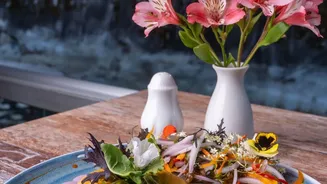
As Ladakhi cuisine enters the mainstream, it’s also being reinterpreted in exciting new ways. The "experimental" edge comes from chefs who are blending traditional ingredients with contemporary techniques. In Ladakh, former monk Jigmet Mingyur of Tsam Khang plates traditional dishes with modern European aesthetics, while others create innovative dishes like barley arancini filled with yak cheese. In the cities, chefs are using modern methods like fermentation to unlock new dimensions in Ladakhi produce. This isn't about diluting the cuisine, but celebrating it. By presenting these flavours in a new light, chefs are ensuring that the culinary traditions of Ladakh not only survive but thrive, finding their rightful place on the global stage, much like sushi did decades ago.