



The Best of Both Worlds
At its core, Japandi is a design mashup, a portmanteau of ‘Japanese’ and ‘Scandinavian.’ It’s not just a random fusion; it's a marriage of two philosophies that, despite originating on opposite sides of the globe, share a profound respect for simplicity,
natural materials, and craftsmanship. Think of it as the perfect balance: the rustic, modern simplicity of Scandinavian design meets the timeless elegance and intentionality of Japanese aesthetics. Where Scandinavian design can sometimes feel a bit stark in its minimalism, the Japanese influence adds warmth and a sense of 'soul.' The result is a look that feels both clean and cozy, curated but liveable.
The Japanese Influence: Wabi-Sabi
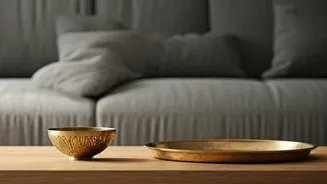
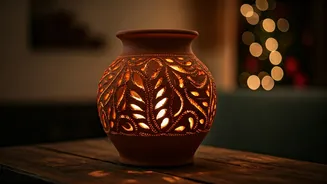
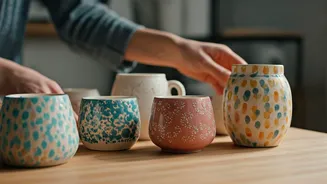
The Japanese side of the equation is rooted in the philosophy of *wabi-sabi*—the art of finding beauty in imperfection and impermanence. This isn’t about flawless, factory-made perfection. Instead, it celebrates natural materials, asymmetry, and objects that show their age and history. In a Japandi space, this translates to handmade pottery with slight irregularities, furniture made from wood with visible grain and knots, and an appreciation for uncluttered, functional layouts. The color palette often leans toward richer, earthier tones drawn from nature, like muted greens, soft grays, and deep indigo, which ground the space and add a layer of sophistication.
The Scandinavian Touch: Hygge
From Scandinavia comes the beloved concept of *hygge* (pronounced 'hoo-gah'), which embodies a feeling of cozy contentment and well-being. This is where the warmth comes from. While Scandinavian design is known for its clean lines and minimalist functionality, hygge ensures the space feels inviting and comfortable, not cold. This is achieved through the use of soft, warm textures like chunky knit blankets, linen curtains, wool rugs, and plush cushions. The color palette is typically light and airy—think whites, creams, and pale woods like oak and maple—designed to maximize natural light, a precious commodity in Nordic countries. This focus on light and comfort is the perfect complement to the starker elements of Japanese design.
Key Elements of the Japandi Look
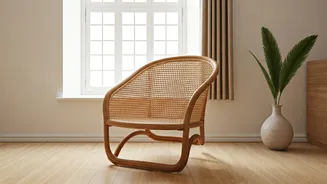
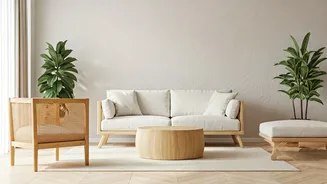
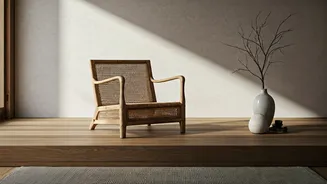
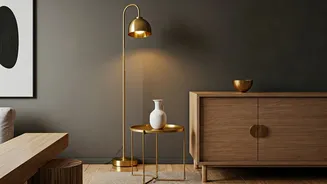
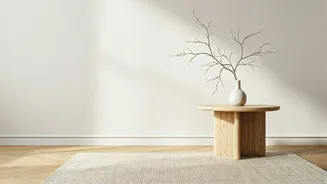
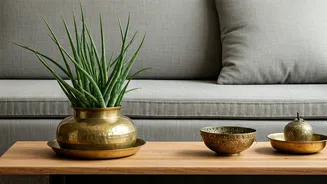
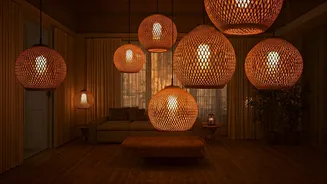
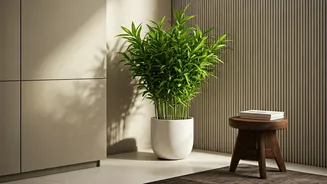
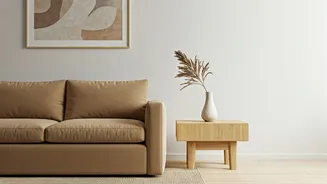
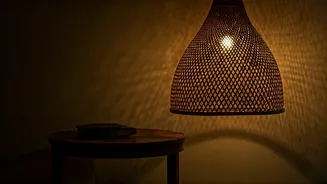
So, what does this actually look like? A Japandi interior is defined by several key features. Furniture is low-profile, functional, and features clean lines, often with a mix of light Scandinavian woods and darker, stained Japanese-style woods. Contrast is key—a dark, sleek accent chair might sit on a light, natural-fiber rug. Natural materials are everywhere: bamboo, rattan, paper, terracotta, and stone are essential. Clutter is the enemy; every object has a purpose and a place, embracing the 'less is more' mantra. Greenery is also vital, but instead of lush, overflowing jungles, think of a single, elegant plant with a beautiful form, like a fiddle-leaf fig or a simple branch in a vase. The emphasis is always on creating a calm, uncluttered, and highly functional environment that feels deeply connected to the natural world.
Why It Resonates Right Now
The viral popularity of Japandi isn't just about aesthetics; it's about the feeling it evokes. In a world that often feels chaotic and overwhelming, this style offers a blueprint for creating a personal sanctuary. It’s a reaction against the disposable, trend-driven culture of fast furniture, instead promoting conscious consumerism and investing in well-made, timeless pieces. The focus on natural materials and decluttering also aligns with a growing collective desire for sustainability and mental clarity. Japandi isn't just a way to decorate your home—it's a philosophy for a more intentional, peaceful way of living within its walls.