





Leafy Green Vegetables
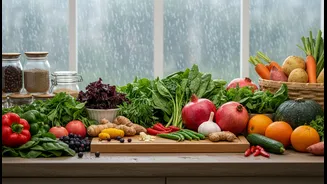
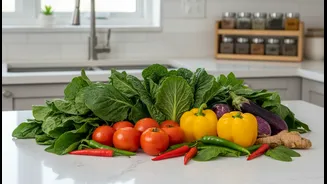
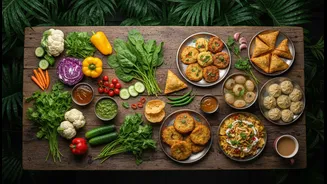
Spinach, cabbage, and other leafy greens are usually hailed as superfoods, but they require extra caution during the monsoon. The damp, muddy conditions they grow in can make them a carrier for grit, germs, and pests that are difficult to wash away completely.
The moisture trapped in their leaves creates an ideal environment for bacteria to thrive. Consuming them raw in salads is particularly risky. Healthier Alternative: Opt for vegetables that are easier to clean and cook thoroughly. Gourds like lauki (bottle gourd), turai (ridge gourd), and karela (bitter gourd) are excellent choices. Steaming or cooking vegetables kills most harmful pathogens, making them safer for consumption. If you must have leafy greens, ensure they are soaked in salt or vinegar water and cooked very well before eating.
Street Food and Chaat
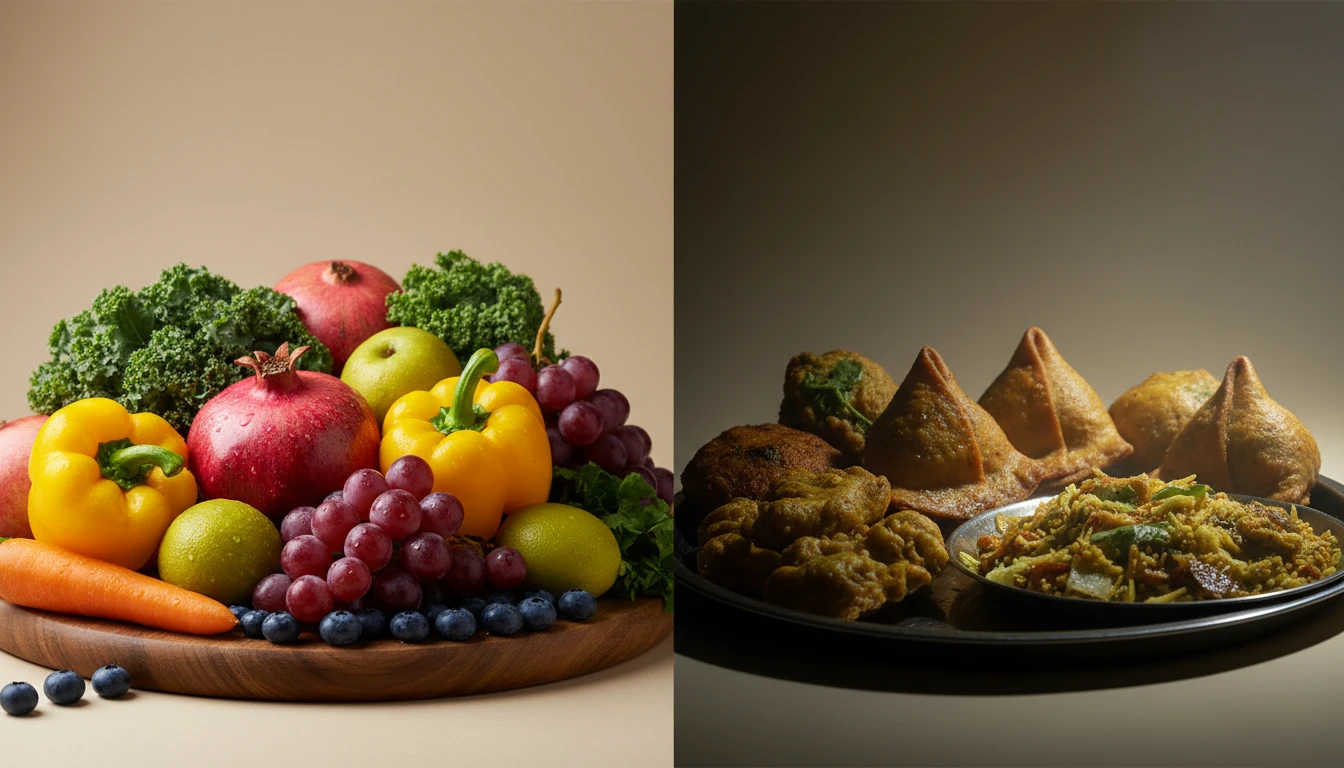
As tempting as a plate of hot pakoras or tangy pani puri is on a rainy day, street food poses a significant health risk during the monsoon. Stalls are often exposed to the elements, and the water used for preparation might be contaminated, leading to infections like cholera and typhoid. The high humidity also causes food to spoil faster, and pre-cut fruits or chutneys left in the open can easily become contaminated by flies and bacteria. Healthier Alternative: The safest way to satisfy your cravings is to recreate your favourite street snacks at home. This ensures you are using clean, filtered water and fresh ingredients. Instead of deep-frying, you can try baking or air-frying pakoras. For a healthy chaat, use homemade curd, boiled chickpeas, and freshly chopped vegetables.
Seafood and Fish
The monsoon season is the breeding period for many types of fish and prawns. This can affect their quality and increase the risk of them carrying toxins or parasites. Furthermore, the supply chain for seafood can be disrupted during heavy rains, making it difficult to guarantee freshness. Consuming seafood that isn't fresh or has been improperly stored can lead to severe food poisoning. Healthier Alternative: It is best to limit seafood consumption during this season. Instead, turn to other protein sources like lentils (dal), eggs, and chicken. A warm bowl of dal or a simple chicken curry provides the necessary protein without the associated risks of monsoon seafood. If you do eat fish, ensure it is extremely fresh and cooked thoroughly.
Pre-Cut Fruits and Raw Salads
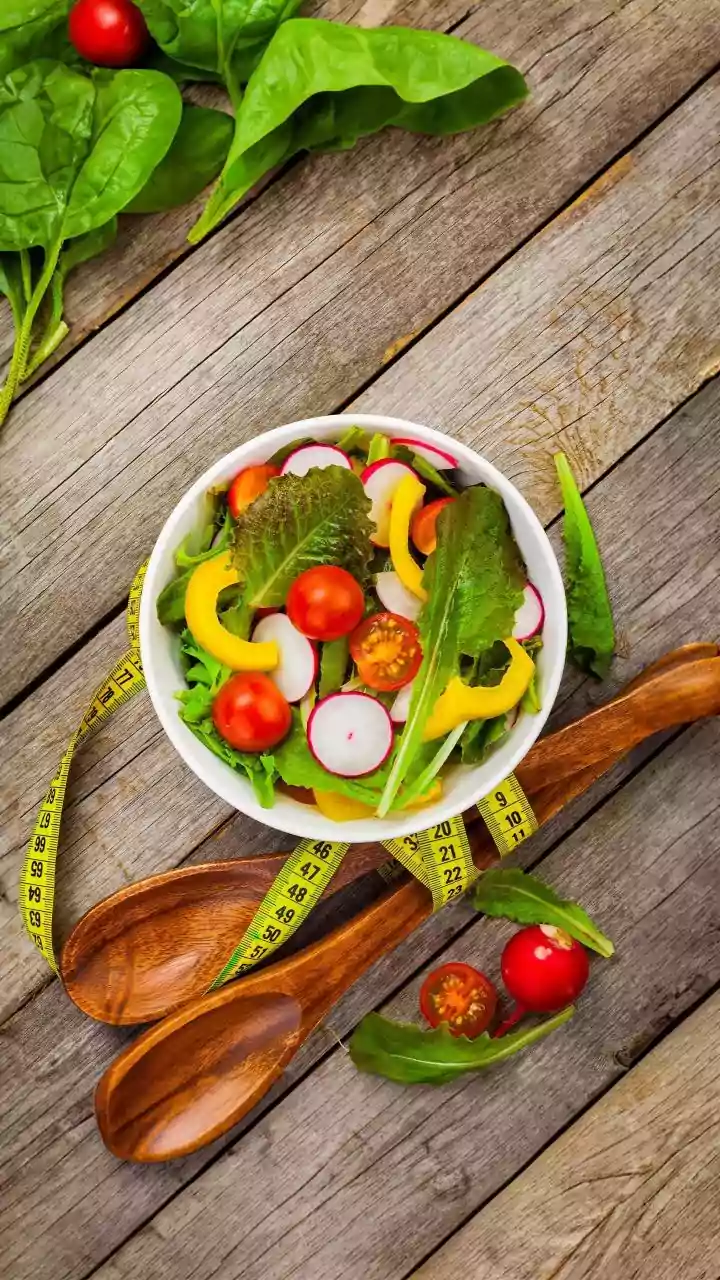
Buying fruits that are already cut from street vendors is a major health risk. Once the protective peel is removed, the fruit is exposed to the humid air and any surrounding contaminants. This exposure significantly increases the chance of bacterial growth. Similarly, raw vegetable salads can be risky if the produce isn't washed meticulously with clean water. Healthier Alternative: Always buy whole fruits and wash them thoroughly under running water before cutting them yourself right before you plan to eat. Fruits with thick peels like bananas, pomegranates, and apples are generally safer choices. Instead of raw salads, consider a warm vegetable soup, which is not only comforting in the cool weather but also much safer, as the heat kills harmful bacteria.
Dairy Products like Curd and Paneer
While dairy is a staple for many, some products like curd (yoghurt) and paneer (cottage cheese) can be tricky during the monsoon. The high humidity can cause dairy products to spoil faster. According to Ayurveda, heavy and cold foods like curd can slow down digestion, which is naturally weaker during this season. This can lead to bloating or other digestive issues. Healthier Alternative: If you consume curd, ensure it is fresh and not sour. Buttermilk (chaas), which is lighter and easier to digest, is often recommended as a better alternative. Warm milk, perhaps with a pinch of turmeric, is another soothing and healthy option. When it comes to paneer, always make sure it is fresh and well-cooked in a dish rather than eaten raw.