

Ladakh's Rain Shadow Secret
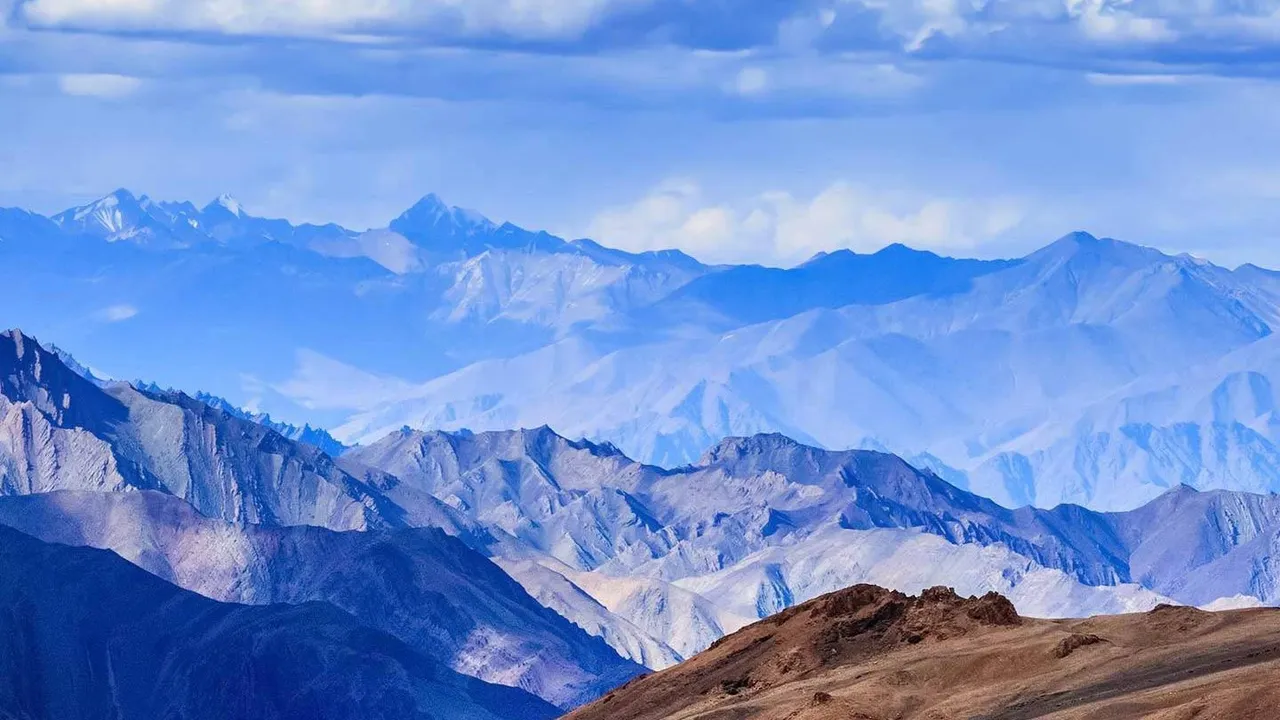
The magic of a Ladakhi monsoon lies in its geography. Tucked away in the rain shadow of the great Himalayan range, Ladakh receives minimal rainfall, even during the peak monsoon months of July and August. While other mountain destinations grapple with
landslides and downpours, Ladakh's cold desert climate ensures that its skies remain mostly clear and the terrain stays dry. This creates a perfect, almost surreal window for exploration, where the air is crisp, the landscapes are vibrant, and adventure is not just possible, but at its prime. The occasional light shower only serves to wash the dust away, leaving the mountains gleaming under dramatic cloud-filled skies.
The Ultimate Road Trip
For many, the journey to Ladakh is as much a part of the adventure as the destination itself. The two primary routes, the Manali-Leh Highway and the Srinagar-Leh Highway, are legendary. During the monsoon, these roads present a unique challenge. The stretches outside the rain shadow, particularly near Rohtang and Baralacha La on the Manali side and Zoji La from Srinagar, can experience rain and landslides. However, this is also when the landscape is at its most dynamic. Water crossings are a signature feature of a monsoon ride, with streams fed by snowmelt and rain creating thrilling passages. The key is to cross them early in the day when water levels are lower and to build extra buffer days into your itinerary for any potential delays. Once you enter the rain shadow, conditions improve dramatically, opening up to panoramic views of the barren, beautiful terrain.
Adventures on Foot and Water
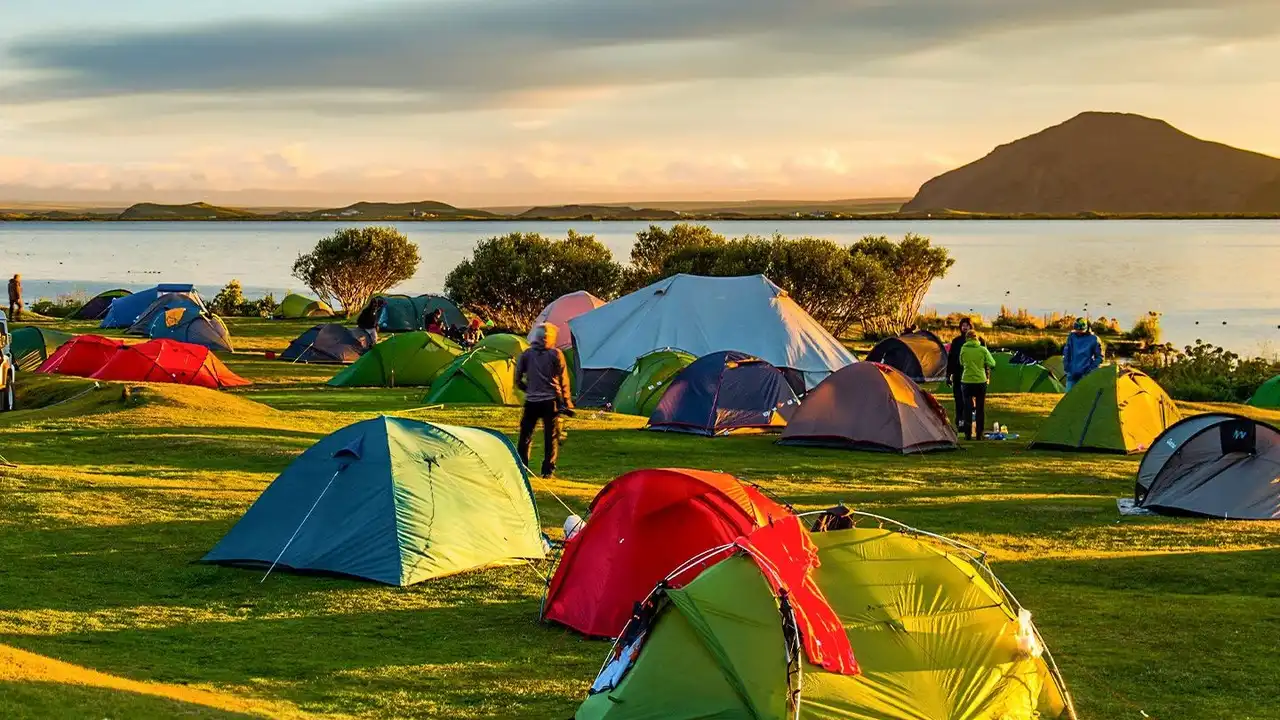
The dry conditions in Ladakh make it a trekker's paradise when other Himalayan trails are closed. Popular treks like the Markha Valley and the Sham Valley are ideal during this season, offering quieter paths and pleasant weather. You can traverse through remote villages, cross gentle streams, and camp under star-filled skies with fewer crowds. For those seeking an adrenaline rush, the rivers of Ladakh are calling. The monsoon season is one of the best times for white water rafting, as the Zanskar and Indus rivers swell with glacial melt. Rafting expeditions, ranging from day trips near Leh to multi-day journeys through the dramatic Zanskar Gorge—often called the Grand Canyon of Asia—offer Class II to IV rapids and unparalleled views of towering cliffs and remote monasteries.
Beyond the Beaten Path
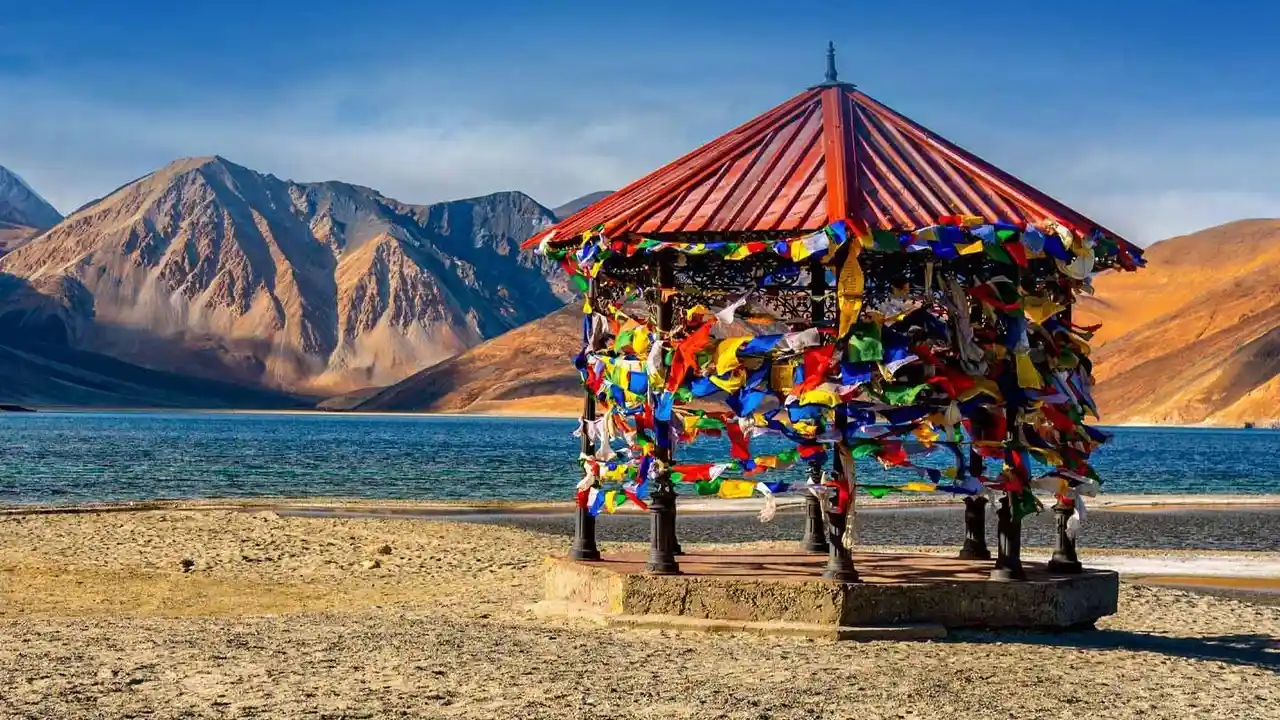
Beyond the epic road trips and heart-pounding rapids, a Ladakhi monsoon offers more subtle adventures. The season is perfect for exploring the iconic Pangong Tso and Tso Moriri lakes. With fewer tourists, you can experience the serene, shifting colours of these high-altitude wonders in relative peace. The clear, dark skies also make it an exceptional time for stargazing, especially in remote areas like Hanle. Adventure can also be found on two wheels, with a bike ride to Khardung La, one of the world's highest motorable passes, being a quintessential Ladakh experience made safer by the dry August conditions. Cultural enthusiasts can also immerse themselves in the local way of life, visiting ancient monasteries like Hemis and Thiksey, which are often less crowded during this period.
Planning Your Monsoon Adventure
A trip to Ladakh in the monsoon requires careful planning. Acclimatisation is crucial; spend at least two days in Leh resting and hydrating to prevent Acute Mountain Sickness (AMS) before ascending further. If travelling by road, hire an experienced local driver who is familiar with the terrain and potential water crossings. For flights, book well in advance, as July and August are peak months and prices can be high. When packing, think in layers. Include quick-dry clothing, a waterproof and windproof jacket for unexpected showers and chilly evenings, sturdy waterproof shoes, and strong sunscreen, as the sun at high altitudes can be intense.