







The Hidden Ingredients of Modern Life
From the smartphone in your pocket to the electric vehicle you might soon drive, modern technology runs on a set of materials known as critical minerals. These include elements like lithium, cobalt, nickel, graphite, and rare earth elements. They are not
just important; they are irreplaceable components in high-tech industries, essential for everything from solar panels and wind turbines to advanced defence and aerospace technology. As India pushes forward with its 'Make in India' and clean energy goals, the demand for these minerals is projected to grow exponentially. The challenge, however, is that India has negligible domestic reserves of many of these key materials.
A Strategic National Vulnerability
Currently, India is almost entirely dependent on imports for minerals like lithium, cobalt, and nickel. This reliance creates significant economic and geopolitical risks. Much of the global supply and, more importantly, the processing of these minerals is concentrated in a handful of countries, with China dominating large parts of the value chain. This situation leaves India's supply chains vulnerable to disruption and price volatility, potentially hindering its industrial growth and national security objectives. Recognizing this dependency as a critical threat, the Indian government has launched the National Critical Mineral Mission (NCMM) to secure a stable supply and reduce this reliance.
Turning Waste into Wealth: The Urban Mining Revolution
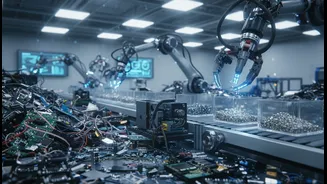
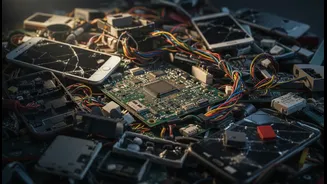
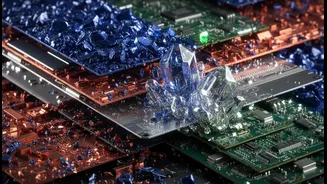
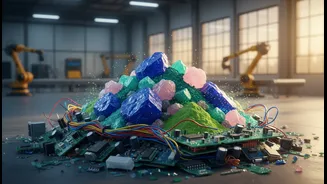
The most immediate and sustainable solution to this challenge lies not in digging new mines, but in harvesting our old ones: the growing mountains of electronic waste. This concept, known as “urban mining,” involves extracting valuable critical minerals from discarded products like batteries, circuit boards, and LED screens. Every year, India generates millions of tonnes of e-waste, which is a rich, concentrated source of these very minerals. By developing a robust recycling ecosystem, India can create a reverse supply chain, turning waste into a strategic asset. This approach is a cornerstone of building a circular economy, where resources are kept in use for as long as possible, reducing waste and the need for virgin materials. Recent government initiatives, including a ₹1,500-crore incentive scheme, aim to scale up this recycling capacity significantly.
A New Frontier for Indian Careers
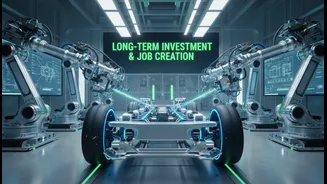
The shift towards a circular economy powered by critical mineral recycling is not just an industrial strategy; it's a massive job creation engine. NITI Aayog projects that India's green transition will be the largest source of new jobs through 2047, with the circular economy being a key sector. This new industry demands a wide range of skilled professionals. There will be a need for technicians skilled in safely dismantling complex electronics, and for metallurgists and chemical engineers to develop and operate advanced extraction technologies. The sector will also create jobs in logistics for waste collection, in R&D to improve recovery rates, and in management and compliance roles like EPR (Extended Producer Responsibility) managers. Startups and entrepreneurs are already entering this space, backed by significant investment, creating new business models in sustainable waste management.
The Challenges on the Road to a Circular Future
Despite the immense potential, the path is not without its obstacles. A significant portion of India's e-waste is currently handled by the informal sector, which often uses primitive and hazardous methods that fail to recover most critical minerals and pose health risks to workers. Formal recycling facilities face challenges like high setup costs, lack of consistent feedstock, and a shortage of skilled labor. To succeed, India needs to streamline the collection process, enforce regulations like the E-waste Management Rules more strictly, and invest in technologies that can compete globally. Integrating the informal sector into a formal, safe, and efficient value chain will be crucial for scaling up operations and ensuring a just transition.