


That wonderfully fragrant, citrusy aroma that defines so much of Southeast Asian cuisine? It often comes from lemongrass. This humble-looking stalk can seem intimidating, but it is surprisingly simple to use and key to elevating your home cooking.
The Allure of Lemongrass
Lemongrass
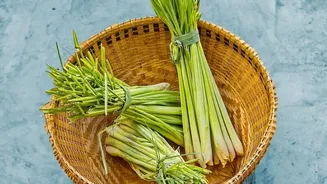
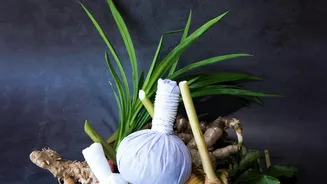
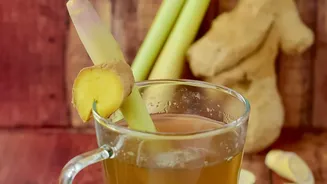
is a stalky grass that imparts a bright, clean flavour that is a complex mix of lemon, mint, and ginger. Unlike lemon juice, it brings a citrusy aroma and taste without adding sourness, which allows it to blend beautifully with other ingredients. This quality makes it a cornerstone of Thai, Vietnamese, and Indonesian cooking, where it is used to balance rich and spicy flavours in everything from soups and curries to marinades and teas. It pairs exceptionally well with coconut milk, ginger, garlic, chilli, and cilantro, creating layers of aromatic depth in any dish it graces.
How to Choose and Store It
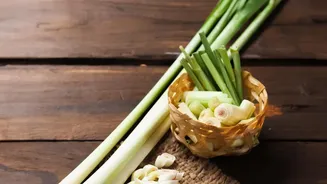
When buying fresh lemongrass, look for firm, hefty stalks that are pale green toward the bottom with a bulbous end. Avoid any stalks that appear dry, withered, or brittle. Freshness can often be gauged by the greenness of the upper leaves. To store it, you can wrap the stalks in a slightly damp paper towel and keep them in the refrigerator for up to two weeks. For longer-term storage, lemongrass freezes exceptionally well. You can freeze the stalks whole or pre-chopped in a freezer-safe bag for up to six months. Some cooks find that frozen lemongrass is even easier to chop because the freezing process helps break down its tough fibres.
Unlocking the Flavour: Prep School
How you prepare lemongrass depends entirely on how you plan to use it. First, always trim off the tough, woody root at the very bottom and peel away any dry outer layers. The most tender and flavourful part is the lower four to five inches of the stalk, which is paler and thicker. For soups, broths, and curries where you want to infuse flavour without eating the stalk itself, cut the stalk into 3-inch pieces and bruise them by whacking them with the back of a knife or a rolling pin. This releases the aromatic oils. Just remember to remove the pieces before serving. For marinades, pastes, and stir-fries where the lemongrass will be consumed, you'll need to mince it. Use only the tender lower stalk, slice it into very thin rings, and then chop finely. The finer you chop, the less fibrous the texture will be.
Perfect Lemongrass Rice
Lemongrass rice is an incredibly fragrant and simple side dish that can elevate any meal. The easiest way to make it is by infusion. Start by rinsing your preferred long-grain rice, such as jasmine, until the water runs clear. For every cup of rice, add the appropriate amount of water or, for a richer taste, a mix of water and coconut milk. Take one or two stalks of lemongrass, trim them, and bruise them well to release their oils. Add the bruised stalks to the pot with the rice and a pinch of salt. Bring the liquid to a boil, then reduce the heat to a simmer, cover, and cook until the rice is tender and has absorbed all the liquid, typically 15–20 minutes. Once cooked, let it rest, covered, for about five minutes before fluffing with a fork and removing the lemongrass stalks.
Beyond the Rice Bowl
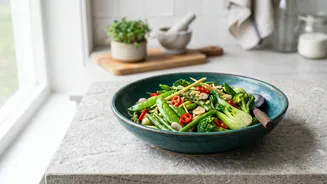
Once you have mastered the basics, the possibilities are endless. Finely minced lemongrass is a fantastic addition to marinades for chicken, pork, or shrimp, especially when mixed with fish sauce, garlic, and a touch of sugar. You can add bruised stalks to the broth of almost any soup to add a bright, fresh note. Don't discard the tough upper green parts of the stalk; they can be steeped in hot water to make a soothing and aromatic tea, or used to infuse flavour into simple syrups for cocktails or desserts. You can even blend chopped lemongrass into butter to create a flavourful compound butter to melt over grilled fish or vegetables.