





Meet Your New Desk Buddies
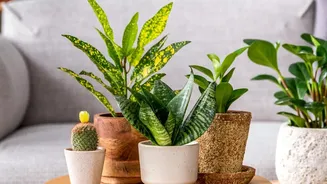
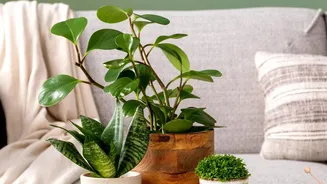
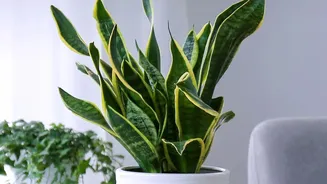
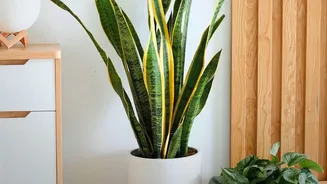
Before diving into care specifics, let's introduce these two superstar plants. The Snake Plant (Dracaena trifasciata, formerly Sansevieria) is known for its stiff, upright, sword-like leaves. It has a strong, architectural look and comes in various forms,
from tall, floor-standing types to compact, desk-friendly varieties. It's often called 'Mother-in-Law's Tongue' and is a type of succulent, meaning it stores water in its leaves. The Pothos (Epipremnum aureum), or Devil's Ivy, is a cheerful, trailing vine with heart-shaped leaves. It's known for its fast growth and cascading habit, which can soften the hard lines of a bookshelf or desk. Both are incredibly resilient and popular choices for beginners.
Snake Plant: The Sculptural Survivor
The Snake Plant is famously hard to kill, thriving on neglect. Its biggest enemy is too much attention, specifically overwatering. Allow the soil to dry out completely between waterings; for a small desk plant, this could mean watering only every two to three weeks, and even less in winter. It's highly adaptable to different light conditions, tolerating low light well, though it prefers bright, indirect sunlight. For a desk, look for compact varieties like the 'Bird's Nest' (Hahnii), which grows in a short, tight rosette, or the 'Futura Superba', which stays shorter than classic varieties. These smaller types provide that classic Snake Plant look without taking over your workspace.
Pothos: The Trailing Enthusiast
Pothos is another beginner-friendly plant that offers a different aesthetic. Its trailing vines can be left to hang gracefully from a shelf or trained to climb around a monitor or window. Like the Snake Plant, Pothos prefers its soil to dry out between waterings. Drooping leaves are a clear sign that it's thirsty. It thrives in medium to bright indirect light but is very tolerant of lower light conditions, making it suitable for desks further from a window. There are many varieties with different leaf patterns, from the classic solid green 'Jade' Pothos to the variegated 'Marble Queen' and the vibrant 'Neon' Pothos.
The 'Air-Purifying' Myth vs. Reality
Both Snake Plants and Pothos are often touted as 'air-purifying' plants, a claim that originates from a 1989 NASA study. The study showed these plants could remove toxins like formaldehyde and benzene from the air within a sealed chamber. However, our homes and offices are not sealed chambers. Subsequent research has clarified that you would need a massive number of plants—some estimate between 10 to 1000 plants per square meter—to replicate the air-cleaning effects in a typical room with normal ventilation. So, while your desk plant is a wonderful aesthetic and psychological addition, don't rely on it to purify your air. Its main benefits are adding life, colour, and a sense of calm to your workspace.
Choosing the Right Plant for Your Desk
So, which one is for you? If you want a plant with a strong, vertical, modern look that you can almost forget about, the Snake Plant is your perfect match. Its upright growth habit takes up very little desk footprint. If you prefer a softer, fuller look with trailing vines that provide a sense of lushness and growth, Pothos is an excellent choice. You can let its vines cascade down the side of your desk or train them up a small trellis. Pothos is also incredibly easy to propagate; just snip off a piece of vine with a few leaves and place it in water to grow new roots.
Styling Greenery on a Small Desk
Once you have your plant, placement is key. To avoid cluttering your workspace, consider placing the plant at a corner of the desk or on a small riser or stack of books to give it a little elevation. Lightweight pots are often better for desks to prevent scratching and make moving them easier. For Pothos, you can use small, clear hooks on the wall or around your monitor to guide its vines, creating a living frame. A self-watering pot can also be a great option to ensure consistent moisture without the risk of spills. The goal is to integrate the plant so it enhances your space without interfering with your work.