







What Is a Digital Fashion Assistant?
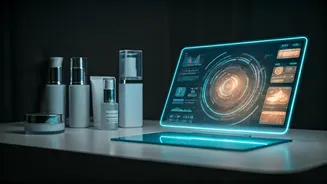
A digital fashion assistant is an AI-powered tool designed to act as your personal stylist. [7] Forget the simple recommendation engines of the past that just showed you similar items. Today’s assistants engage in conversational dialogue, learning your preferences,
body type, and even the context of your life—like an upcoming job interview or a beach vacation. [2, 4] They use technologies like computer vision to analyze photos of your existing clothes, natural language processing to understand your requests, and machine learning to get smarter with every interaction. [2] The goal is to move from simply suggesting products to curating complete looks and building a dynamic style profile based on your unique behaviour. [5]
The Technology Behind the Style
These AI companions are powered by a sophisticated mix of technologies. It often starts with computer vision, where the AI can analyze an uploaded photo to identify your body shape or determine your colour palette based on your skin tone. [2] Many apps allow you to catalog your entire wardrobe by taking pictures, which the AI then uses as a base for outfit suggestions. [2, 13] Behind the scenes, machine learning algorithms track your likes and dislikes, recognize patterns in your choices, and even anticipate what you might need for future events. [2, 4] More advanced systems, often called 'agentic AI,' can even take action on your behalf, like tracking price drops or completing a purchase once you give approval. [3, 11] It’s a shift from you doing the work to an AI guiding and executing your intent. [27]
The 'Companion' Experience in Action
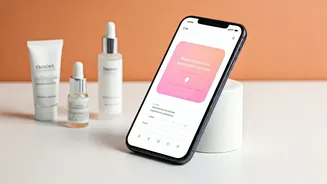
So what makes this a "companion" rather than just a tool? The difference lies in personalization and conversation. Instead of just filtering by 'blue dresses', you can say, “I need a confident, minimalist outfit for a pitch meeting.” [4] The AI understands the sentiment and context. Major retailers are getting on board; Amazon's Alexa for Shopping and Walmart's Sparky are designed to be more conversational and personalized. [26] In India, e-commerce giants like Myntra have introduced AI assistants like MyFashionGPT, leveraging ChatGPT's capabilities to offer tailored responses to users' fashion queries. [18] These platforms are finding that shoppers who use these AI assistants are significantly more likely to make a purchase, signalling that the contextual, guided experience is resonating with consumers. [24, 26]
The Indian Context: A Market Ripe for AI
The adoption of AI in India's fashion industry has accelerated significantly, driven by a massive e-commerce boom and a young, tech-savvy population. [23] Initially used for backend tasks like demand forecasting, AI is now a core part of the customer experience for platforms like Myntra, Ajio, and Nykaa Fashion. [6, 23] Startups are also emerging, such as the Hyderabad-based Fabulyst, which helps users shop for outfits that suit their body shape and skin tone. [16] With the Indian fashion e-commerce market projected to reach nearly $98.45 billion by 2032, AI's role in providing personalized experiences, virtual try-ons, and trend forecasting is becoming a business necessity, not just a novelty. [15, 23]
The Catch: Privacy, Trust, and Authenticity
This new level of personalization comes with significant concerns. To be effective, these AI companions need access to vast amounts of personal data, including your conversations, photos of your body, your location, and your browsing habits. [3] This creates a rich, sensitive profile that increases privacy risks. [3, 10] A YouGov survey from 2025 found that while many are curious about AI shoppers, trust remains a major barrier, with 34% of skeptics citing privacy and data security as a key concern. [20] There's a fine line between a helpful assistant and a creepy digital shadow, and brands must navigate this by being transparent about how data is used and giving users meaningful control. [17, 19] The challenge is to build value and earn trust, otherwise even the most advanced AI will fail to gain widespread adoption. [20]