




Plan Your Meals, Not Just Your List
The single most effective way to cut down your grocery bill is to plan your meals for the week. Before you even think of stepping into a store, take stock of what you already have in your pantry, fridge, and freezer. Plan a week’s worth of dinners and lunches
using those ingredients first. This simple act prevents you from buying things you 'might use' which often end up as waste. Once you have a meal plan, create a shopping list with exact quantities and stick to it. This strategy alone can significantly reduce impulse buys and food waste, putting money directly back into your pocket.
Embrace Your Local Mandi
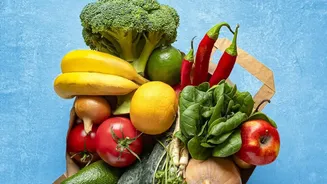
While online apps and supermarkets offer convenience, your local vegetable market or mandi is often a goldmine for savings. Prices for fresh produce are frequently lower as you are buying closer to the source, cutting out several layers of middlemen. Buying loose fruits and vegetables allows you to purchase the exact quantity you need, reducing the chance of spoilage that comes with pre-packaged goods. Furthermore, produce at the mandi is almost always seasonal, which means it is fresher, more flavourful, and cheaper.
Go Big on Grains and Dals (Smartly)
For non-perishable staples that form the bedrock of Indian cuisine—like rice, atta, dals, and sugar—buying in bulk can lead to substantial savings. A 5kg bag of atta or rice almost always costs less per kilo than buying five individual 1kg packs. Before you buy a large sack, however, be practical. Ensure you have proper airtight storage to protect your purchase from pests and spoilage. If a 25kg bag is too much for your family to consume before it loses freshness, consider splitting the cost and quantity with a neighbour or friend.
Shop Your Pantry First
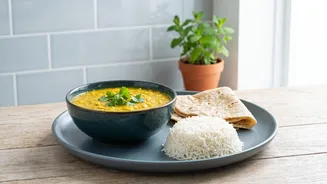
Indian kitchens are often treasure troves of ingredients. Before a grocery run, challenge yourself to 'shop' from your own pantry. That half-used packet of rajma, the forgotten tin of coconut milk, or the various dals can be the foundation of several meals. Adopting a 'First In, First Out' (FIFO) system—where you use up older items before opening new ones—is a simple trick to minimise waste. This habit not only saves money but also forces you to get creative with your cooking, turning potential waste into delicious meals like a mixed dal or a vegetable stir-fry.
Master the Art of Zero-Waste Cooking
Traditional Indian cooking has always been resourceful, a principle we can revive to fight rising costs. Many parts of vegetables we typically discard are perfectly edible and nutritious. Coriander stems can be ground into chutneys or added to dals for flavour. The peels from vegetables like bottle gourd (lauki) can be used to make tasty stir-fries or pakoras. Even the water from boiling lentils is nutrient-rich and can be used as a base for soups or sambar. Embracing this root-to-leaf approach reduces your kitchen waste and stretches every rupee spent.
Decode the Price Tag
When comparing products, don't just look at the Maximum Retail Price (MRP). A savvier approach is to compare the unit price. A larger, more expensive-looking packet might actually be cheaper per gram or per 100 grams than a smaller, seemingly cheaper alternative. This information is usually printed on the shelf label in supermarkets. Also, be aware of product placement; stores often place their most expensive, high-margin items at eye level. Taking a moment to check the top and bottom shelves can often reveal better deals.