

The Unforgettable Spectacle of Dasara
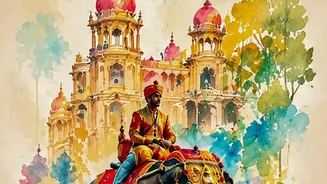
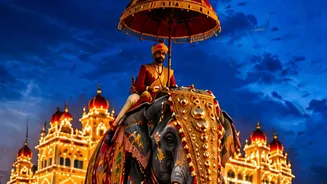
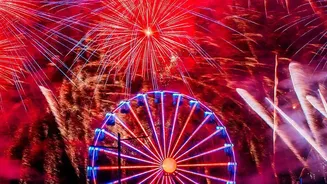
Mysuru Dasara is a ten-day celebration culminating in Vijayadashami, a festival that transforms the city into a vibrant hub of activity. The festivities for 2026 are scheduled to run from October 11th to October 21st. The highlight is the 'Jamboo Savari',
a majestic procession where an idol of the Goddess Chamundeshwari is carried in a 750-kilogram golden howdah atop a decorated elephant. This procession winds its way from the illuminated Mysore Palace to the Bannimantap grounds. In the evenings, the entire city, especially the Mysore Palace lit with nearly 100,000 bulbs, offers a sight to behold. The festival also includes cultural programs, a flower show, a food mela, and traditional wrestling, making it an immersive cultural experience.
A City Built Around a Palace
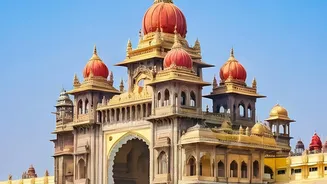
While the Mysore Palace is the epicentre of Dasara, it stands year-round as a testament to the city's royal past. As one of India's most visited attractions, the Indo-Saracenic marvel is the former residence of the Wodeyar dynasty, who were great patrons of art and culture. Inside, you'll find a breathtaking display of carved mahogany ceilings, stained glass, and gilded pillars. But Mysuru isn't a one-palace city. The Jaganmohan Palace, now an art gallery, and the Lalitha Mahal Palace, a heritage hotel, offer further glimpses into the opulent lifestyles of its former rulers.
The Living Heritage of Local Crafts
Mysuru's identity is deeply woven into its traditional arts and crafts, many of which are protected with a Geographical Indication (GI) tag. This status ensures authenticity and protects the heritage of products intrinsically linked to the region. Mysore Silk sarees are legendary for their quality and lustre, and you can even visit the government silk factory to see how they are made. Another famous art form is the traditional Mysore painting, known for its intricate details and depictions of mythological scenes. The city is also famous for its rosewood inlay work, sandalwood oil, and fragrant agarbatti (incense sticks), all of which carry the prestigious GI tag. Exploring these crafts offers a direct connection to the city's artistic soul.
Beyond the City: History at Every Turn
Just 15 kilometres from Mysuru lies Srirangapatna, the island fortress capital of Hyder Ali and his son, Tipu Sultan. This historic town, encircled by the river Kaveri, was the stage for the final Anglo-Mysore War, a pivotal moment in South Indian history. You can explore the remnants of Srirangapatna Fort, Tipu's Summer Palace (Dariya Daulat Bagh), and the dungeons where British officers were once held. The town is also a major pilgrimage site, home to the ancient Sri Ranganathaswamy Temple, which gives the town its name. A day trip here adds a rich historical layer to your Mysuru experience.
A Taste of Mysuru's Culinary Legacy
The culture of Mysuru is also defined by its distinct cuisine. The city has lent its name to famous dishes like the Mysore Masala Dosa, a crispy rice pancake layered with a spicy red chutney and filled with a potato mix, and the iconic sweet, Mysore Pak. A traditional meal might include a spread of kosambari (salad), palyas (vegetable stir-fries), and flavourful rice dishes like Bisi Bele Bath. Exploring the bustling Devaraja Market offers a chance to sample local snacks and soak in the city's culinary energy. From street food stalls to legendary eateries, Mysuru provides a delicious journey through the flavours of Karnataka.