



The City as a Grand Stage
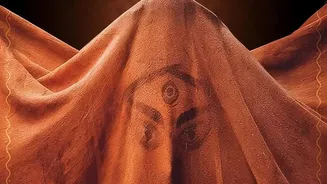
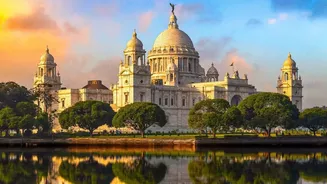
From October 16th to 21st, 2026, Kolkata will not be just a city; it will be a canvas. Pandal hopping is the tradition of visiting the hundreds of temporary structures, or 'pandals', that house idols of Goddess Durga. These are not mere tents but architectural
marvels, each telling a story. Organizers, known as puja committees, spend months conceptualizing themes that range from replicas of global landmarks like the Hawa Mahal to social commentaries on sustainability. North Kolkata pandals often retain a traditional 'sabeki' charm, focusing on age-old rituals, while South Kolkata is known for its grand, contemporary, and often award-winning installations.
An All-Night Art Exhibition
The experience is less a religious pilgrimage and more an all-night art crawl. The pandals themselves are the main attraction, showcasing incredible craftsmanship. Many are built by artisans from Kumartuli, the potters' quarter where the clay idols are traditionally made. Themes for 2026 are rumoured to include artistic tributes to the Ramnami Samaj, recreations of South Indian temple architecture, and explorations of India's freedom struggle. The creativity extends beyond the structures to the lighting, which turns entire neighborhoods into dazzling displays. At places like College Square, the reflection of the pandal in the adjacent lake creates a magical, doubled image.
Navigating the Sea of Humanity
To be a pandal hopper is to embrace the crowd. The experience is a collective one, shared with millions of others walking the same streets. The best time to go is often late at night, from 9 pm to the early morning hours, when the city turns into one giant street party. Navigating this requires a plan. It's best to tackle one geographical zone at a time—North, Central, or South—to avoid getting stuck in traffic. The Kolkata Metro becomes the city's lifeline, running special all-night services on peak days like Saptami, Ashtami, and Navami to connect the major pandal clusters. Even so, comfortable walking shoes are non-negotiable.
A Culinary Marathon
Pandal hopping is as much a culinary expedition as it is a cultural one. The streets fill with the aroma of food from countless stalls that spring up near the pandals. It’s a chance to feast on Kolkata’s legendary street food. You can grab a kathi roll, a flaky paratha wrapped around a kebab filling, perfect for eating on the move. No experience is complete without trying phuchka, the city's beloved version of golgappa, or ghugni, a spicy curry of dried peas. For a quick snack between pandals, telebhaja (deep-fried fritters like beguni and alur chop) are a must. And to finish, there's always room for mishti (sweets) like rosogolla or a pot of mishti doi.
The Soul of the Festival
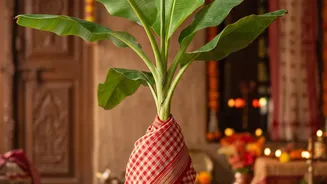
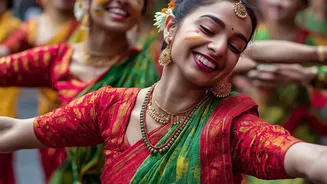
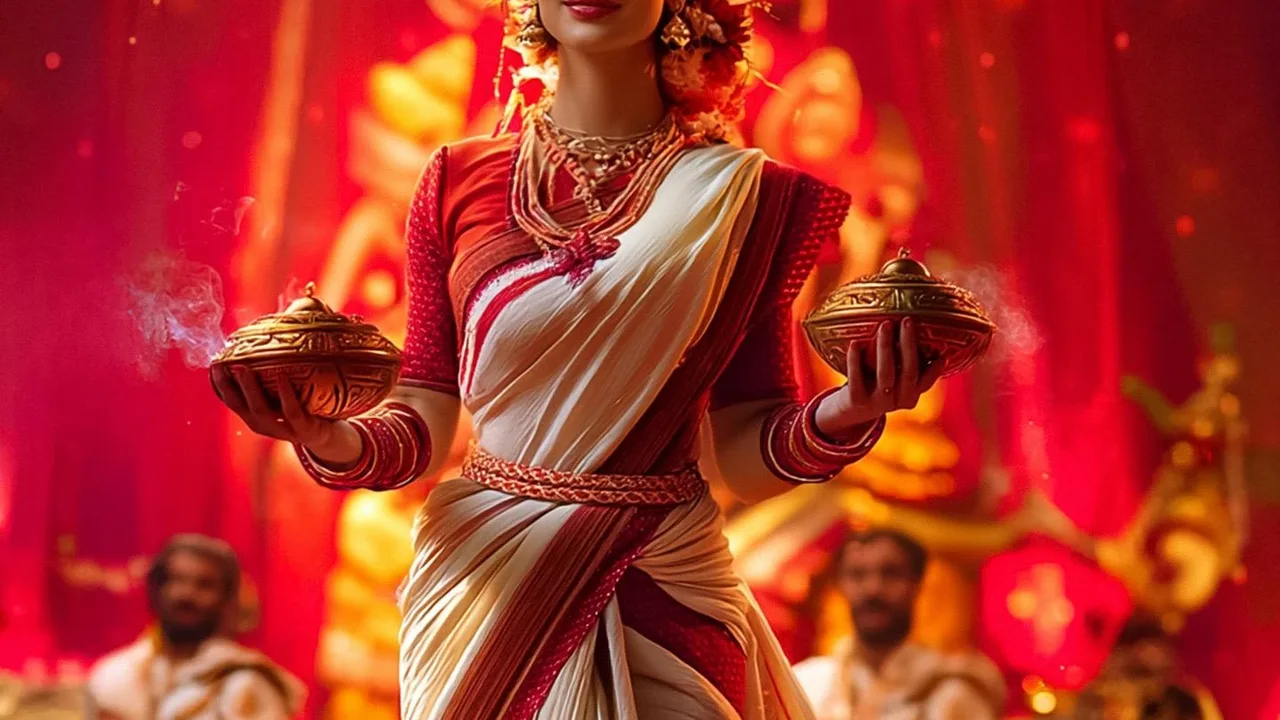
Beyond the art and food lies the spiritual and emotional core of the festival. It is a celebration of the goddess's victory over evil and her symbolic return home. This sentiment is felt everywhere, from the hypnotic beat of the dhakis (traditional drummers) to the sight of families dressed in their finest new clothes. The experience culminates on Vijaya Dashami with Sindoor Khela, where married women offer sweets and vermilion to the goddess, followed by the idol immersion (Bhashan), a grand procession to the river that marks Durga's journey back to her celestial home.