







Understanding the 'Hidden Hunger' Crisis
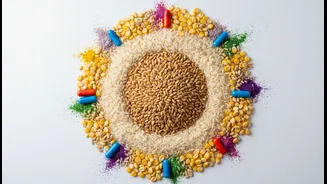
In India, a paradoxical situation exists: many people consume enough calories to feel full, yet their bodies are starved of essential vitamins and minerals. This is “hidden hunger,” a chronic lack of micronutrients like iron, zinc, and Vitamin A. It’s
a silent form of malnutrition that doesn’t show obvious signs of starvation but quietly undermines health, weakens immunity, and impairs cognitive development, affecting a staggering portion of the population. The primary cause is often a monotonous diet heavily reliant on a few staple crops, such as rice and wheat, which provide energy but lack a full spectrum of necessary nutrients.
The Monoculture Problem
Modern agriculture has increasingly favoured monoculture—the practice of growing a single crop over large areas. While this system can be efficient for mass production, it comes at a high cost. It depletes soil of specific nutrients, increases vulnerability to pests and diseases, and reduces overall biodiversity. This focus on a handful of high-yield crops has pushed hundreds of traditional, nutrient-dense varieties off our farms and, consequently, off our plates. This shrinking food basket is a direct contributor to hidden hunger, making our diets less diverse and our agricultural systems less resilient to climate change.
The Power of 'Opportunity Crops'
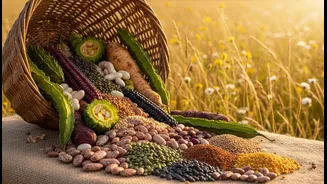
The antidote to this uniformity lies in our agricultural heritage. India is home to a vast array of “underutilised” or “orphan” crops that have been sidelined for decades. These include a diverse range of millets, pulses like horse gram and winged bean, and countless local vegetables and tubers. Once staples of regional diets, these foods are now being recognised as “opportunity crops” for their immense potential. They are often more nutritious than mainstream staples, packed with protein, fibre, and essential micronutrients. Furthermore, many are naturally climate-resilient, requiring less water and fewer chemical inputs to thrive.
Your Plate, Your Power
Farmers often hesitate to grow diverse, traditional crops because they lack stable market demand and face inadequate infrastructure compared to what exists for rice and wheat. This is where you, the consumer, come in. By actively seeking out and purchasing these foods, you send a powerful economic signal to retailers and farmers that there is a market for diversity. Increased demand makes it more economically viable for farmers to cultivate these crops, which in turn improves their livelihoods, promotes sustainable farming practices, and makes our food supply chain more robust.
How to Become a Food Diversity Champion
Supporting crop diversity is easier than you might think. Start by exploring your local farmers' markets. Talk to vendors and ask about traditional or seasonal vegetables you may not recognise. Look for different varieties of pulses and grains at your neighbourhood kirana store or online. Subscribing to a Community Supported Agriculture (CSA) box is another fantastic way to get a weekly supply of diverse, seasonal produce directly from local farms. These actions not only put more nutrients on your plate but also help build a more direct and transparent food system.
Embrace the Culinary Adventure
Bringing new ingredients into your kitchen can be an exciting journey. Start small. Try swapping rice with a variety of millets like foxtail or barnyard millet a few times a week. These grains are versatile and can be used in everything from upma to pulao. Look up recipes for local greens or forgotten vegetables that might have been part of your grandparents' diet. Reviving these foods is not just about nutrition; it's about reconnecting with a rich culinary heritage and discovering new flavours that have been lost to time.